
 日本語
日本語  English
  Español
  Français
  Português
  Deutsch
  한국어
한국어  Türkçe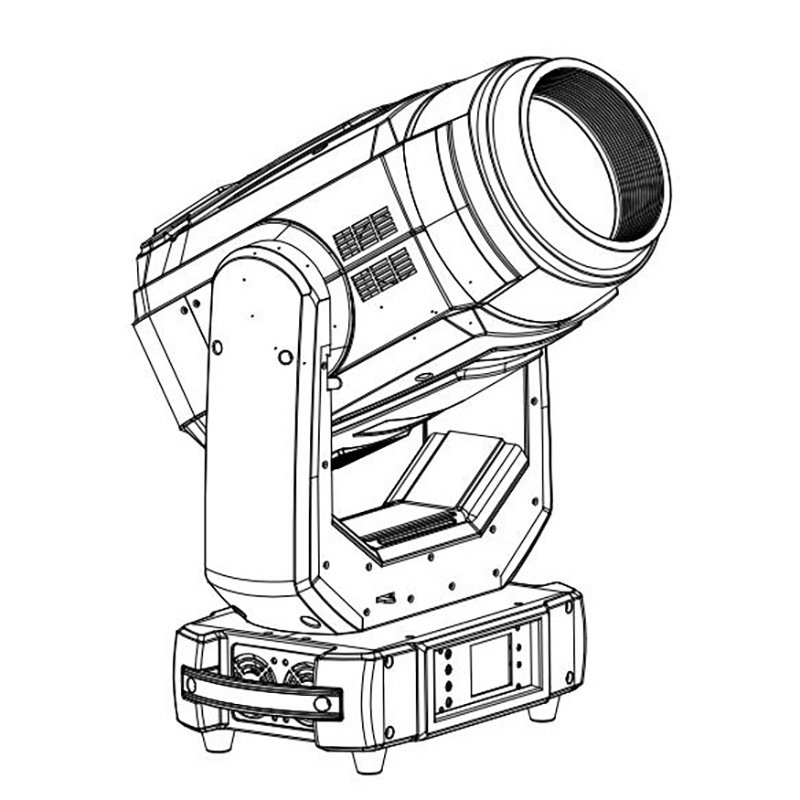
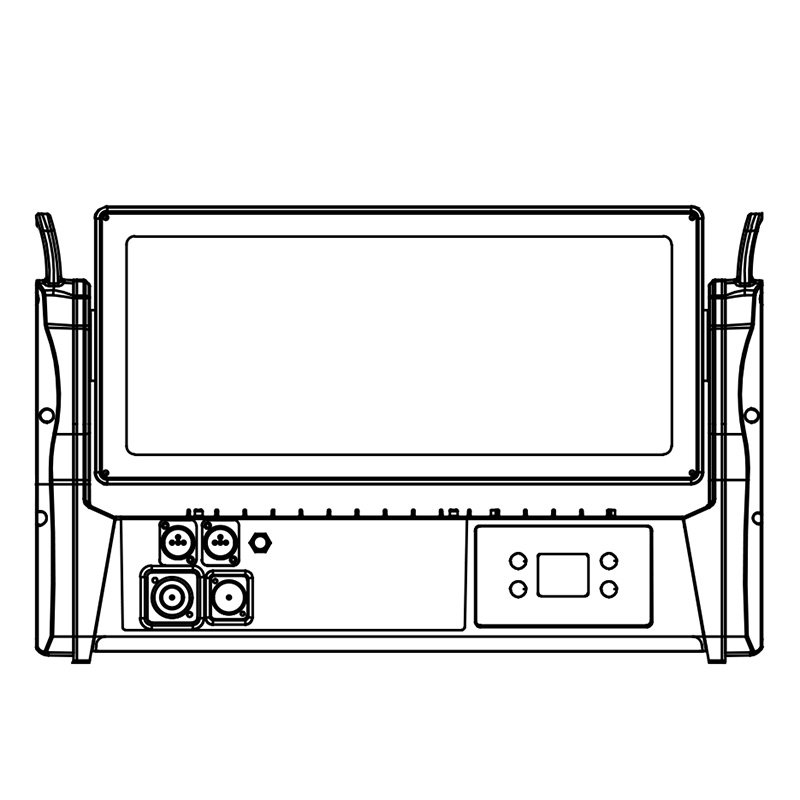
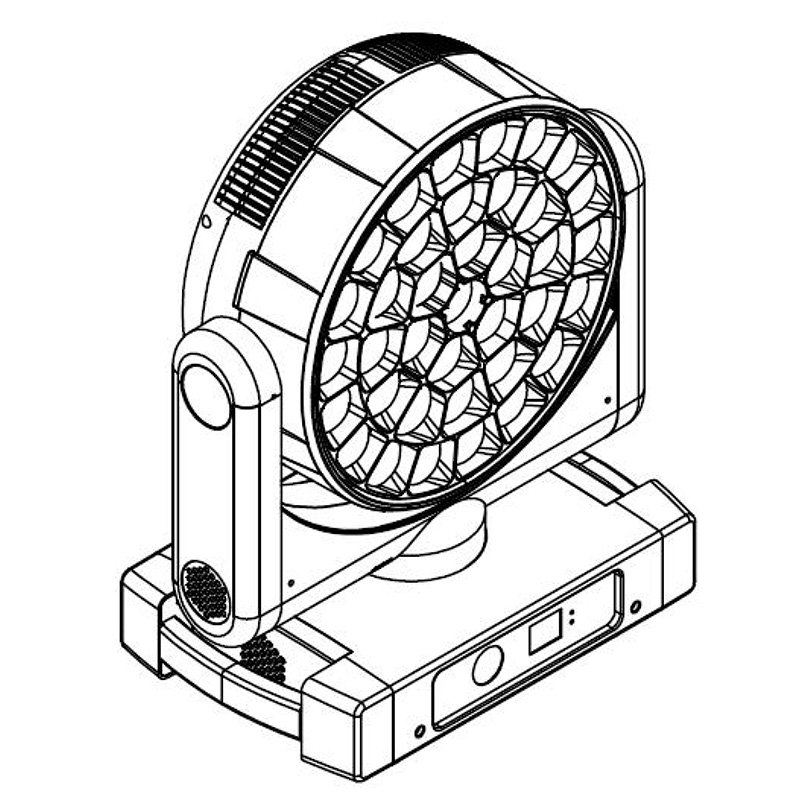
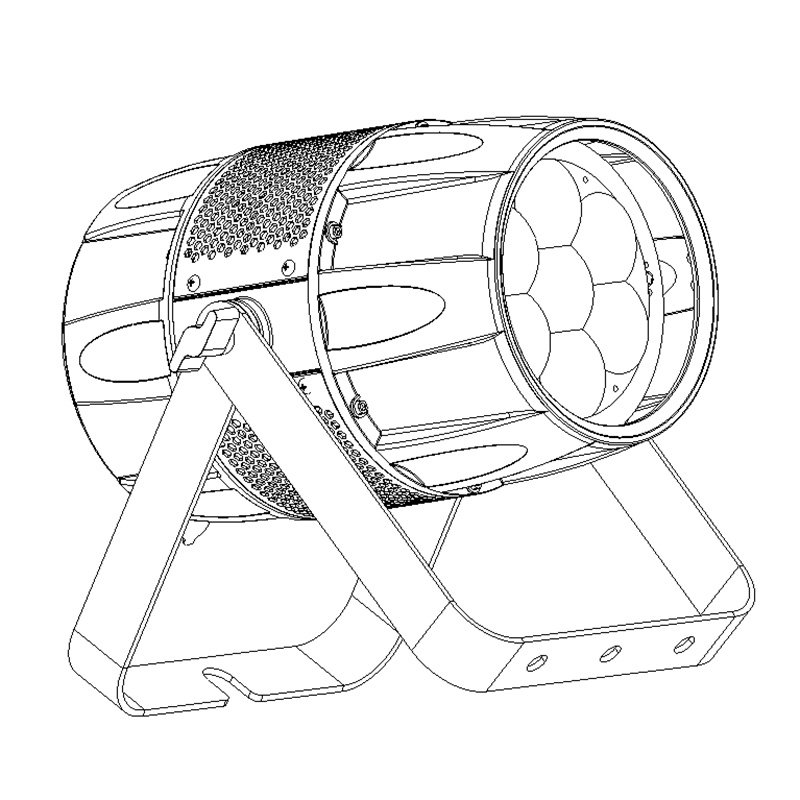
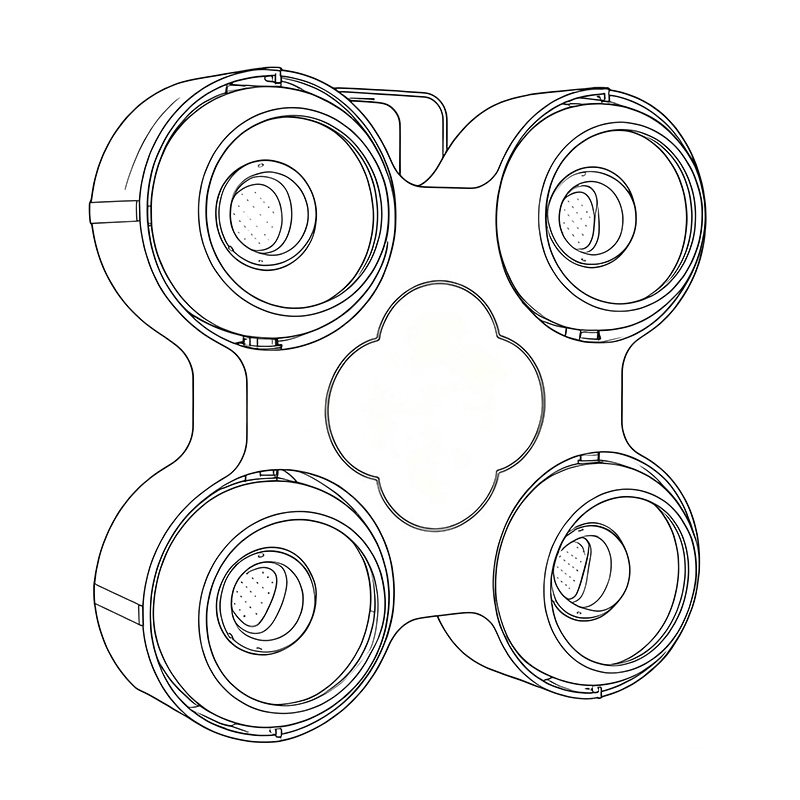
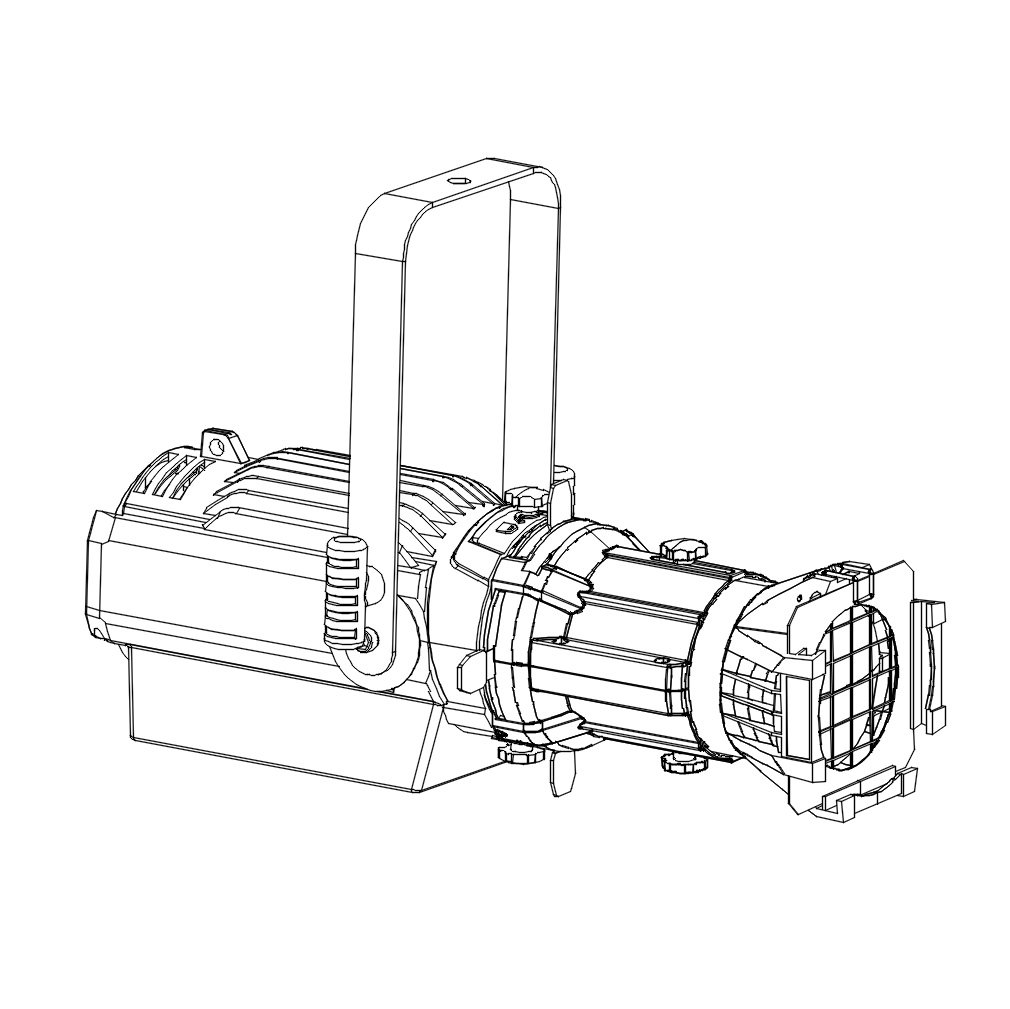
ステージで人目を引くシャープなライトビームを作るのに苦労していませんか?ビーム・ムービング・ヘッドの技術について迷っていませんか?このガイドでは、これらのライトがどのようにして圧倒的なインパクトをもたらすのかを解説します。
ビーム・ムービング・ヘッドライトは、レンズとリフレクターを使用した特殊な光学設計により、高輝度光源(ランプ、LED、レーザー)からの光を非常に狭く集中したビーム(通常5度以下)に集光することで、霞を切り裂き、長距離でも明るさを保つことができる。
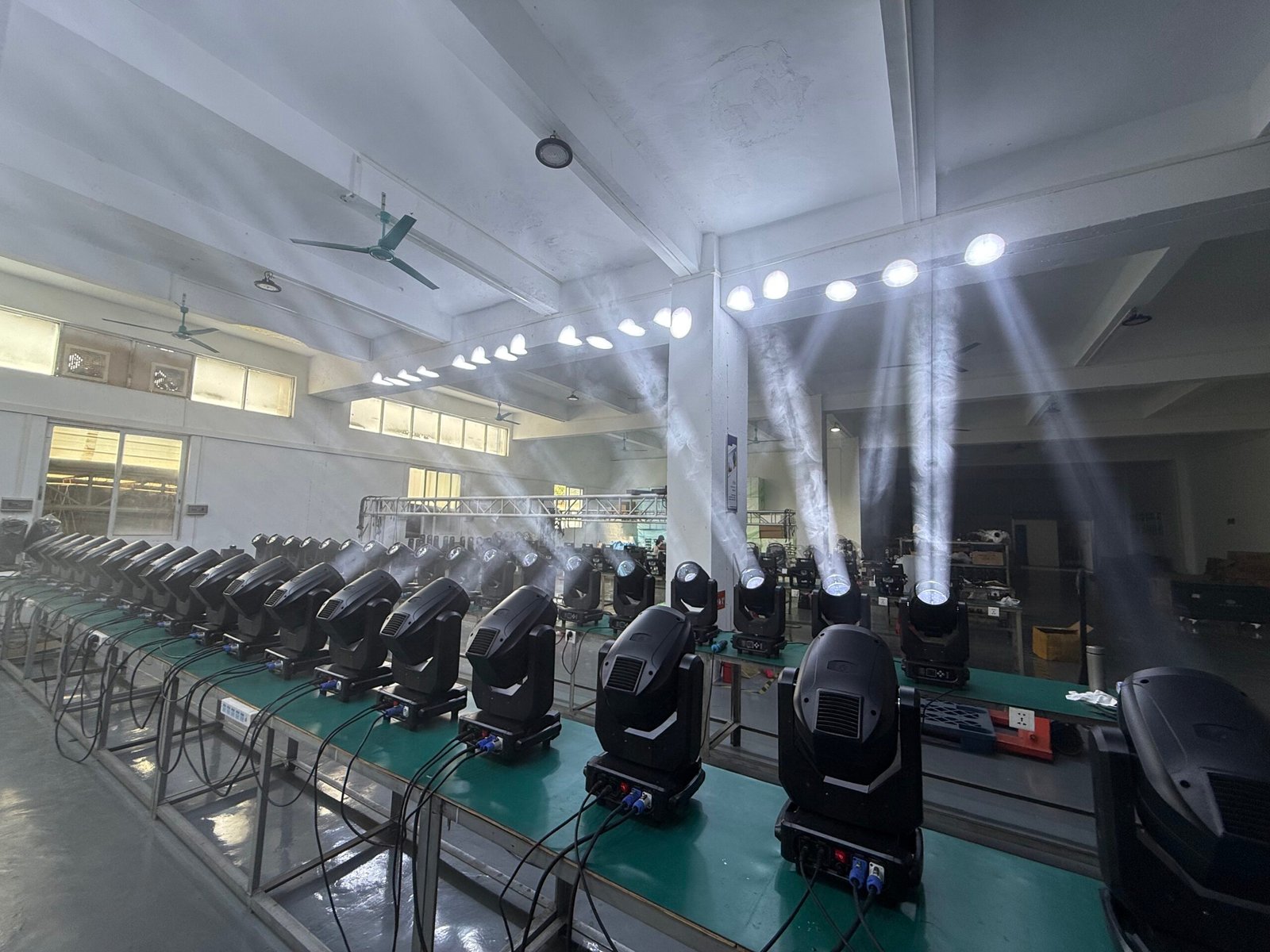 ビームムービングヘッド工場
Now that you know the basics of their power, you might be wondering what defines these fixtures. Let’s dive deeper into what exactly a beam moving head light is and why it’s become such a staple in modern lighting design, helping you understand if it’s the right tool for your needs.
ビームムービングヘッドライトとは?
Ever seen those razor-sharp beams of light cutting through the air at concerts? Wondering what fixture creates that intense effect? It’s likely a beam moving head light, a specialized tool in the lighting world.
ビーム・ムービング・ヘッドライトは、通常5度以下の角度で、非常に細く、高度に集束された光線を作り出すために特別に設計された舞台照明器具です。その主な目的は、ドラマチックな宙づり効果や明確な光軸を作り出すことです。
So, what makes this narrow beam so useful? Think about large venues or outdoor festivals. A standard wash light spreads its light out, losing intensity quickly over distance. A beam light, however, concentrates almost all its output into that tight column. This allows it to punch through atmospheric haze or fog, creating visible lines and shapes in the air that audiences love. It’s not really designed to light up performers or scenery broadly; its main job is visual impact and dynamic aerial effects. I often explain to clients like Marco, who runs a production company, that if you want beams that look like lasers without being lasers (or sometimes, と レーザー!)、ビームムービングヘッドは、あなたの頼りになるフィクスチャーです。素早く動く(パンとチルト)その能力は、デザイナーに光で空気を描くようなダイナミズムを加えます。
ビームムービングヘッドはどのようにしてこのような強烈なビームを生み出すのか?
信じられないほど明るく、ほとんどソリッドに見えるビームをショーに使いたいですか?他のライトよりはるかにシャープなビームを作る技術について、迷っていませんか?その秘密は、特殊な光学設計にあります。
ビームムービングヘッドは、高輝度光源、正確な形状のリフレクター(多くの場合パラボラ)、高度なレンズシステムを組み合わせて使用し、光を緊密で平行なビームにコリメートします。これにより、長距離でも光の広がりが最小限に抑えられ、明るさが最大化されます。
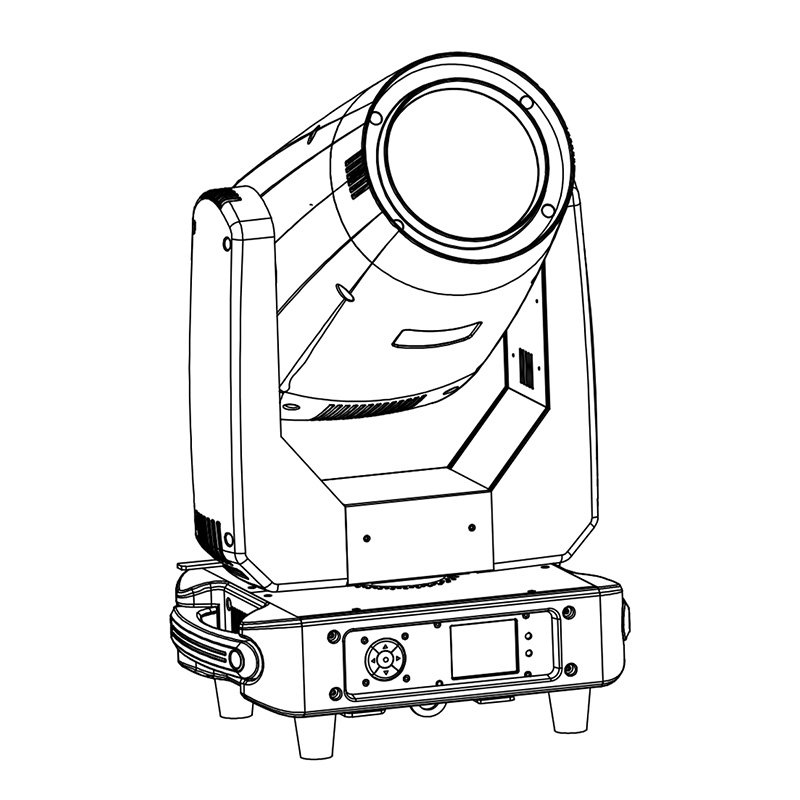
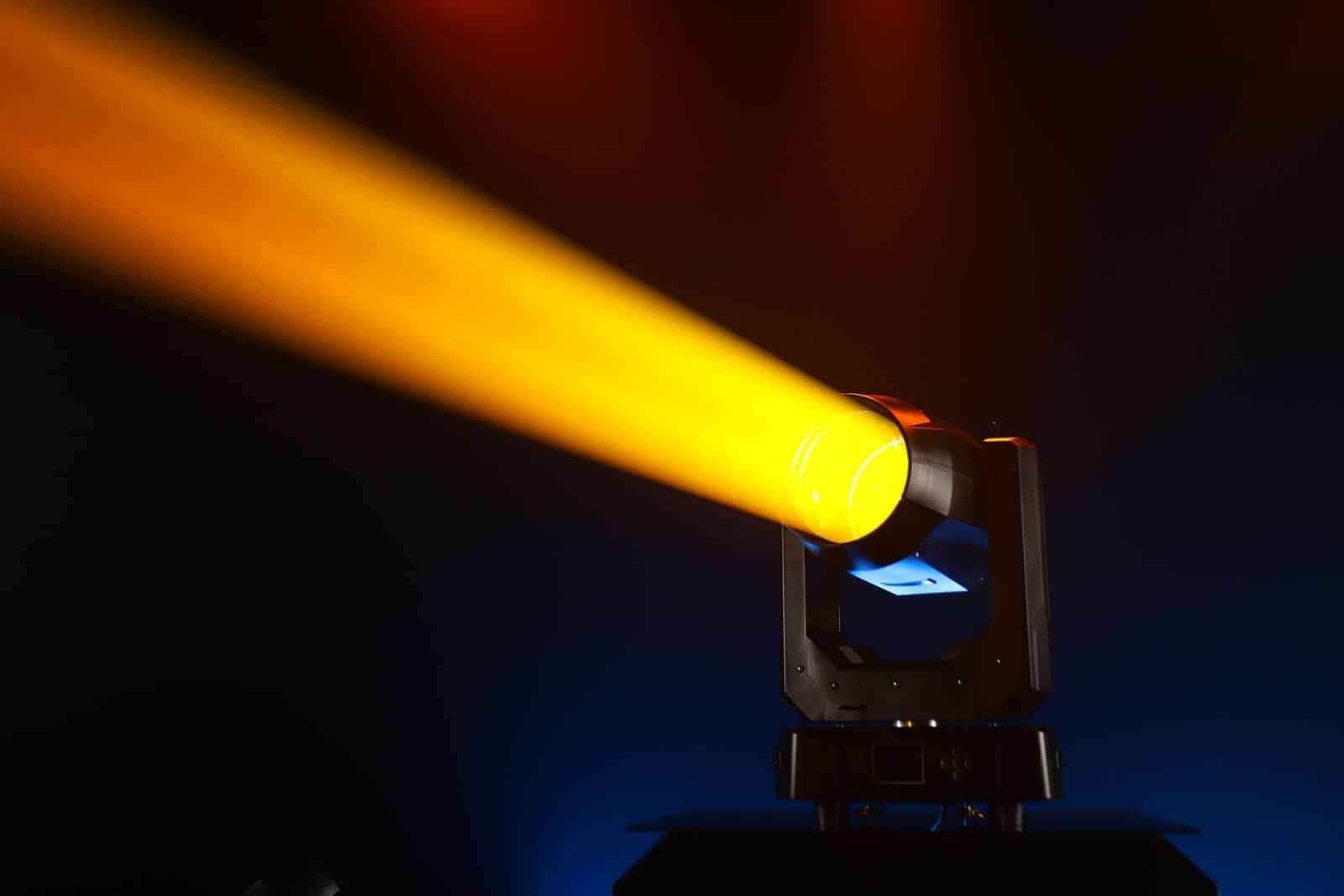 390Wビーム可動式ヘッドライト
Let’s break down how this optical magic works. Unlike a wash light designed to spread light evenly, a beam light’s goal is the exact opposite. It starts with a very bright, compact light source – historically a discharge lamp, now often powerful LEDs or even lasers. This source is placed at the focal point of a carefully designed reflector, often parabolic, or paired with a sophisticated lens assembly. The idea is to capture as much light as possible and force the rays to travel parallel to each other. This process is called collimation. Think of it like focusing sunlight with a magnifying glass, but instead of converging to a point, it makes the light rays travel straight forward in a tight bundle. The result is that famous razor-sharp beam with a strong ‘hot spot’ in the center. Features like internal frost filters can soften the edge slightly if needed, and focus mechanisms ensure the beam stays sharp whether it’s hitting a surface nearby or projecting 50 meters across a venue. It’s this focused power that makes them appear so incredibly bright and cut through everything else.
ランプ vs. LED vs. レーザー:ビームライトに最適な光源は?
新しいビーム・ライトをお探しですか?伝統的なランプ、最新のLED、最先端のレーザーなど、さまざまな光源の選択肢に圧倒されていませんか?それぞれに長所と短所があり、性能やコストに影響します。
ランプは、突き刺すようなエフェクトに理想的な強烈なホットスポットを提供するが、寿命が短い。LEDは長寿命、高効率、スムーズなビームを実現するが、パンチ力に欠ける。レーザーは極めて高い輝度と精度を実現するが、コストが高く、規制上のハードルもある。
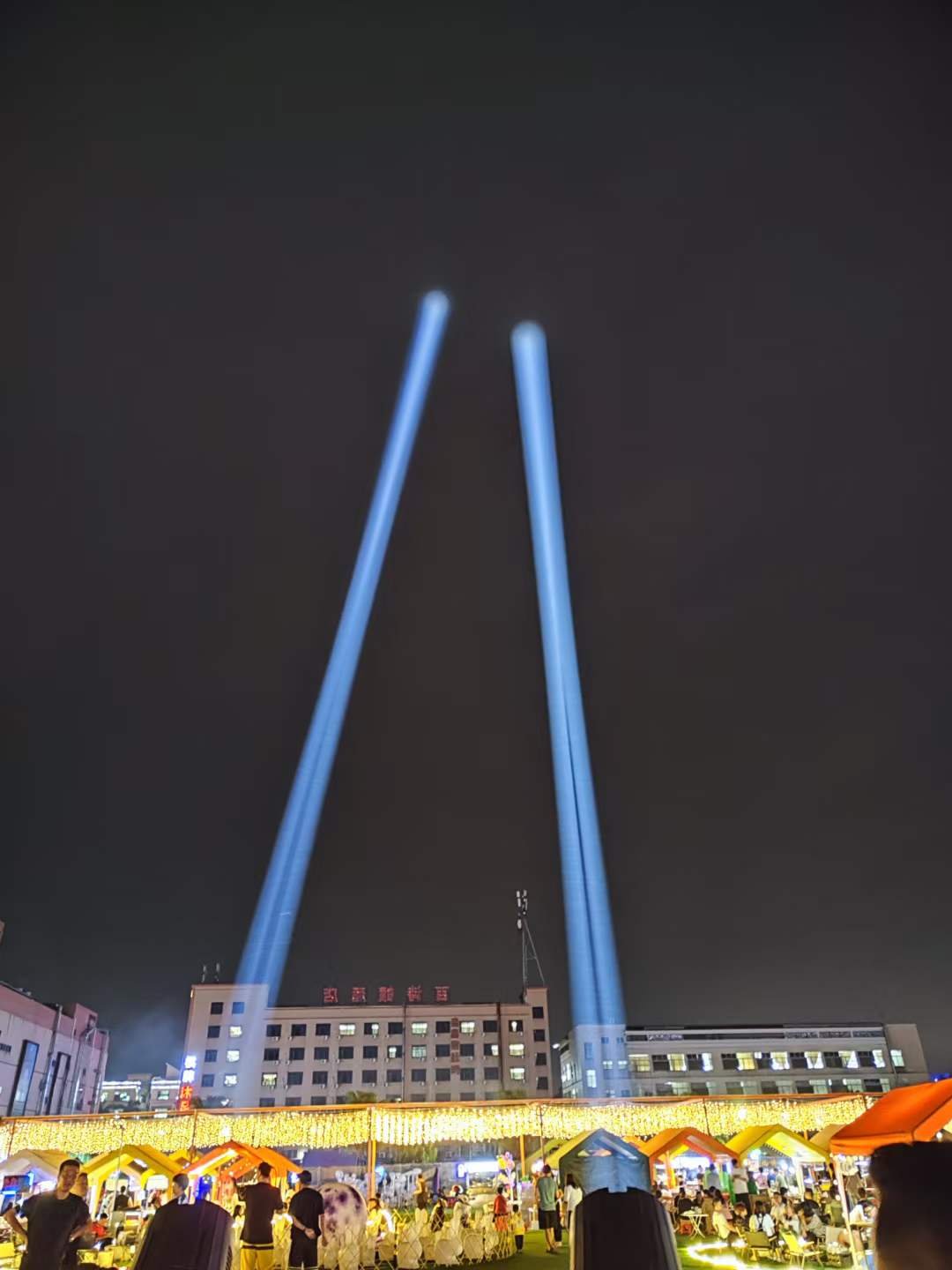
Let’s dive deeper into each option. Discharge lamps (like the common 230W, 380W, or 470W types) were the original standard. They excel at creating a very bright center ‘hot spot’ which gives the beam incredible visual punch and makes it seem very intense, perfect for cutting through other stage lighting. However, they run hot, consume more power, and the lamps typically only last 1,500-2,000 hours, meaning regular replacement costs.
LED modules or COBs (Chip-on-Board) are now very common. They offer vastly longer lifespans (often 20,000-50,000 hours), much lower power consumption, and less heat output. The beam from an LED source tends to be very smooth and uniform, without the intense hot spot of a lamp. While technically very bright, some designers feel they lack the visual ‘aggression’ of a lamp beam. They represent a great balance of performance and low maintenance, especially for fixed installations or rental houses prioritizing reliability. I’ve seen many clients switch to LED for reduced running costs.
レーザー光源は最新のフロンティアだ。比類のない明るさ、信じられないほどシャープで平行なビーム(発散はほぼゼロ)、そして非常に長い寿命を提供します。非常に長い距離を投射したり、グラフィックのような効果を出したりするのに適している。しかし、最も高価なオプションであり、重要な点として、しばしば厳しい安全規制(米国ではFDA認証など)に直面するため、輸入や使用に複雑さとコストがかかる。
Here’s a quick comparison:
| 特徴 | 放電ランプ | LEDモジュール / COB | レーザー光源 |
|---|---|---|---|
| ビジュアル・パンチ | エクセレント(強いホットスポット) | 良好(滑らか、均一) | エクストリーム(非常にシャープ、正確) |
| 明るさ | 非常に高い | 高い | 極めて高い |
| 生涯 | ~1,500~2,000時間 | ~20,000~50,000時間 | ~20,000~30,000時間以上 |
| 効率性 | より低い | 高い | 非常に高い |
| メンテナンス | 定期的なランプ交換 | 最小限 | 最小限(ただし、規制を考慮すること) |
| コスト | 初期および継続的なランプコストの低減 | ミッドレンジ | 最も高い初期費用、潜在的な再契約費用 |
| 最適 | ツーリング、予算への影響 | インストール、クラブ、信頼性 | ハイエンドショー、ロングスロー、FX |
生のパンチ力、長期的な価値、あるいは究極のパフォーマンスと精度。
定格出力とDMX制御はビームライトの選択にどう影響するか?
光学系や光源は理解できても、実際にどれだけのパワーが必要なのか?また、ダイナミックなフィクスチャーを手に入れたら、どのようにコントロールするのでしょうか?これらの実用的な側面は、正しい選択をするために非常に重要です。
Power ratings (wattage) determine the fixture’s brightness and throw distance, needing to match your venue size. DMX control allows precise manipulation of movement (pan/tilt), color, gobos (if present), prisms, focus, and other effects via a lighting console.
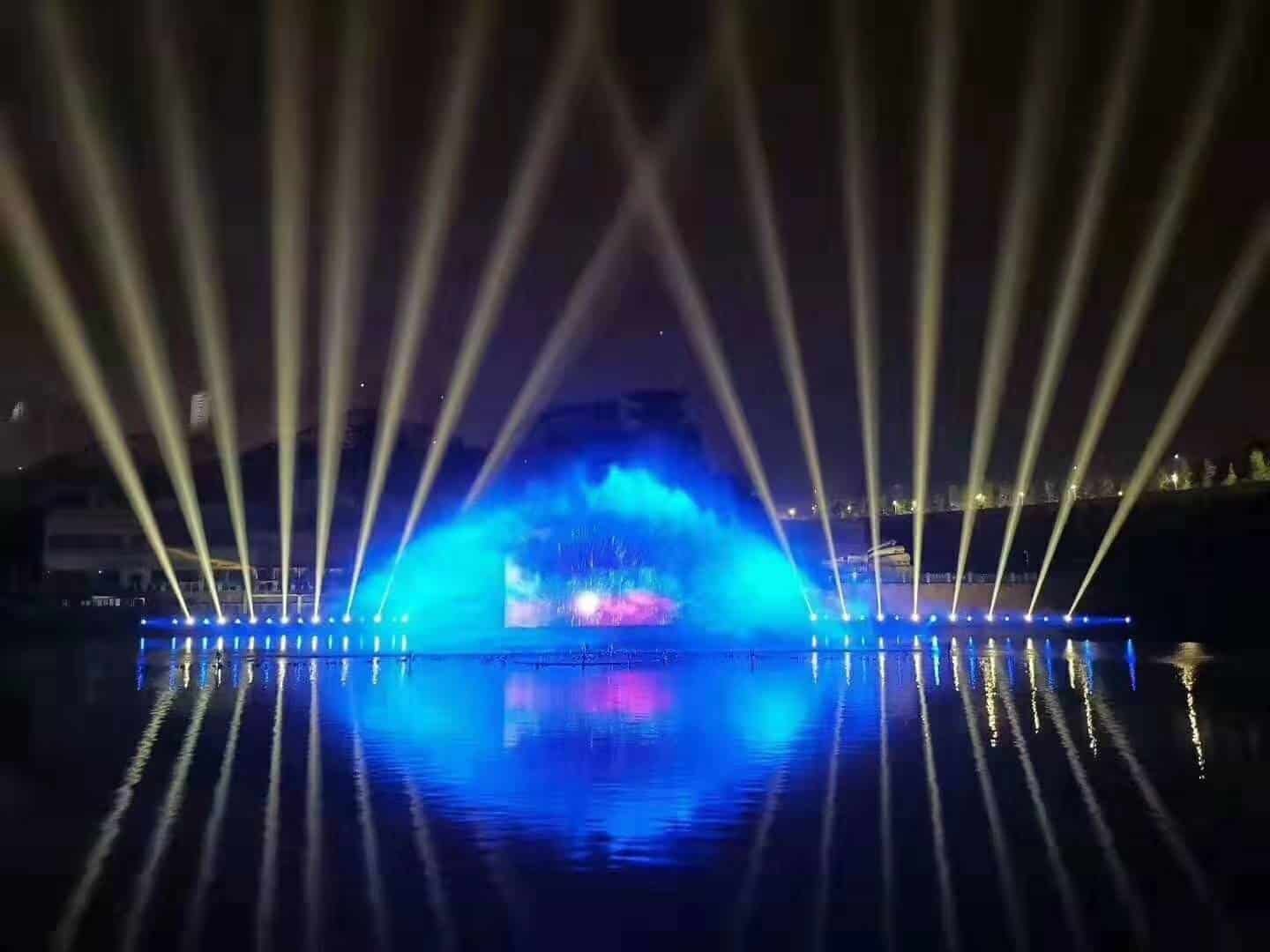
Let’s look at power first. Beam lights come in various wattages, roughly correlating to their brightness and how far they can effectively project that sharp beam. A small 100W LED beam might be perfect for a mobile DJ or a small club ceiling, but it would get lost in a large theater or arena. Conversely, a massive 470W or 600W lamp-based beam is overkill (and expensive) for intimate spaces but essential for stadium tours or large outdoor festivals. As a general guide (though specifics vary by manufacturer and optics):
| ワット数範囲 | 典型的な使用例 | こんな方に最適 |
|---|---|---|
| 100W-150W | 小規模クラブ、移動DJ、バー | 予算重視の小規模会場 |
| 200W-300W | 中規模クラブ、ウェディング、イベント | パフォーマンスとコストのバランス |
| 380W-470W | 劇場、コンサートホール、ツアー | プロフェッショナル・プロダクション |
| 500W+ | アリーナ、スタジアム、フェスティバル | 長距離で最大のインパクト |
ワット数を選ぶ際には、典型的な会場の大きさと必要な投射距離を考慮してください。
Then there’s control. Virtually all professional beam moving heads use the standard DMX512 protocol. This allows you to connect them to a lighting desk or software controller and manipulate their functions in real-time. Common DMX channels control:
- パン: 左右に動く。
- ティルト 上下運動。
- 調光器: 輝度(0-100%)。
- ストロボ: 点滅効果(可変速度)。
- カラーホイール: 異なる色のフィルターを選択する。
- ゴボ・ホイール: Projecting patterns (less common on pure ‘beam’ fixtures, more on hybrids, but sometimes included).
- プリズム ビームを複数のビーム(8ファセット、16ファセットなど)に分割し、回転させる。
- フォーカス: Adjusting the beam’s sharpness.
- フロスト ビームエッジを柔らかくする。
More advanced fixtures might also support protocols like RDM (Remote Device Management) for easier setup and monitoring, or network-based protocols like Art-Net or sACN for large-scale systems. Ensuring the fixture’s control features match your console’s capabilities and your creative needs is vital.
ビーム・ムービング・ヘッドを購入する際に考慮すべき重要な要素とは?
ビームライトに投資する準備はできていますか?多くの選択肢がある中で、引き金を引くことにためらいを感じていますか?いくつかの重要な要素に注目することで、自信を持って決断することができます。
ビームムービングヘッドを購入する際は、希望する効果とメンテナンス性に基づいて光源(ランプ/LED/レーザー)の優先順位を決め、会場の規模に合わせた定格電力を確保し、DMXの互換性を確認し、認証の必要性(特にレーザーの場合)をチェックし、予算と機能のバランスを取ります。

Let’s walk through these crucial considerations. First, the 光源: As we discussed, do you need the aggressive punch of a lamp, the efficiency and longevity of an LED, or the precision of a laser? Think about the look you want and how much maintenance you’re prepared for. Lamps mean buying replacements, while LEDs are largely fit-and-forget. Lasers add regulatory checks in some regions, like the US needing FDA classification, which can impact import/use. I always ask clients about their tolerance for maintenance versus upfront cost.
セカンドだ、 定格電力(ワット数): Don’t under-spec. Choose a wattage appropriate for your most common venue size and throw distance. A light that looks great in a small room might disappear on a big stage. Refer back to the typical wattage ranges for guidance. Getting a demo or seeing beam shots in a comparable space is always a good idea.
番目だ、 コントロールの互換性:フィクスチャーは標準DMX512を使用していますか?必要な特定の機能(例えば、回転プリズム、特定の色)を持っていますか?アドバンスト・ネットワーキングを使う場合、Art-NetまたはsACNのサポートをチェックしてください。DMXチャンネル数とプロファイルがコントローラーで管理可能であることを確認してください。
第4位 認証の必要性:これは、特に標準CE/RoHS以外では非常に重要です。レーザー光源を検討する場合は、自国またはツアーで訪れる可能性のある国の法的要件を確認してください。規制を満たさない場合、通関上の問題や罰金につながる可能性があります。アオレイトでは、製品がCE/RoHSに適合していることを保証し、特定の市場ニーズについてアドバイスすることができます。
最後に 予算と機能の比較:ビーム・ライトの価格には幅があります。予算を決め、その範囲内で明るさ、機能、品質、光源の種類のベストバランスを見つけましょう。価格を比較する際には、メンテナンスの可能性(ランプ代)や長期的な価値(LEDの寿命)を考慮することを忘れずに。信頼性や希望する機能のために少し多めに前払いすることで、後々お金や手間を省くことができる場合もあります。
結論
ビームムービングヘッドライトの光学、光源、パワー、制御を理解することで、適切なフィクスチャーを選ぶことができます。ランプのパンチ力、LEDの効率、レーザーの精密さなど、どのようなニーズにも対応できる技術で、驚くような結果を生み出します。