
 Français
  English
  Español
  Português
  Deutsch
  日本語
日本語  한국어
한국어  Türkçe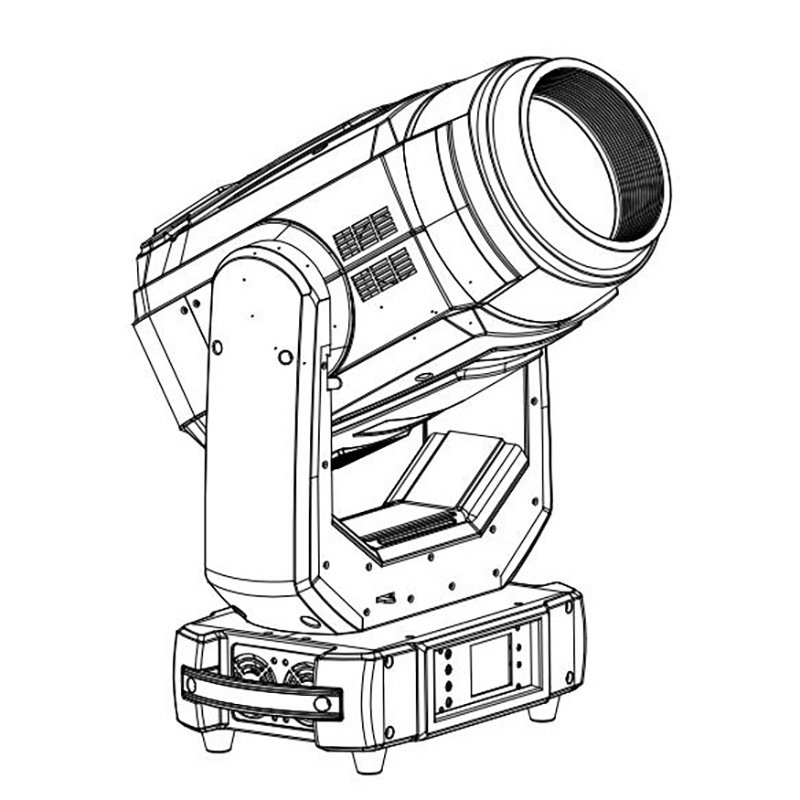
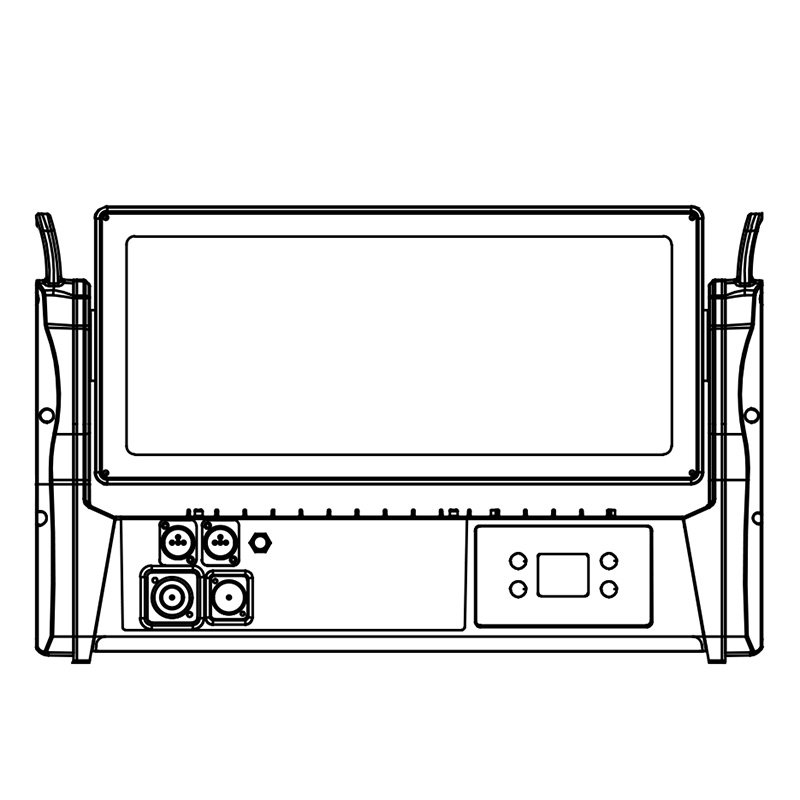
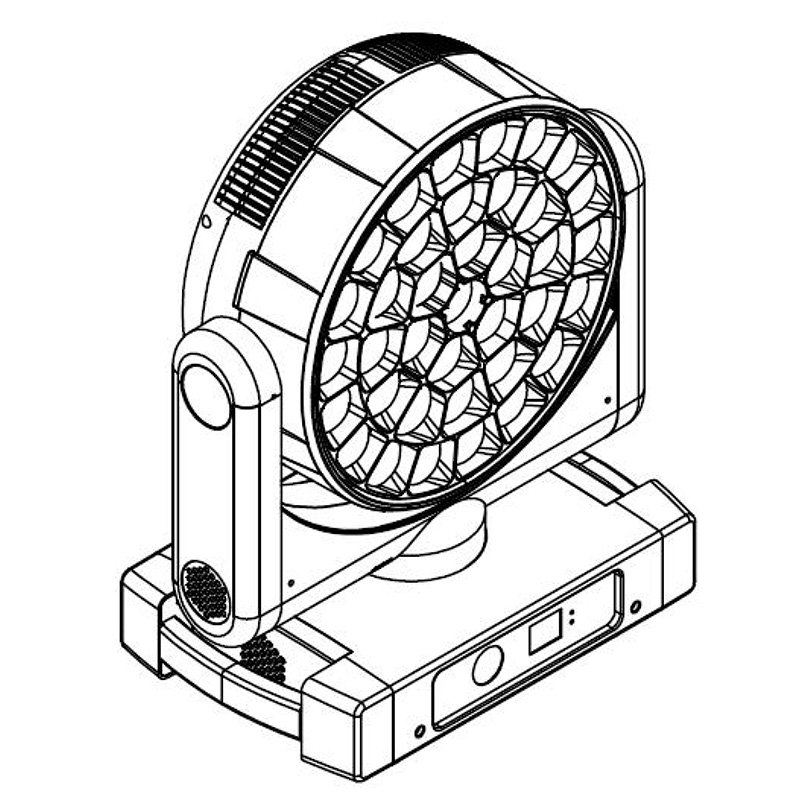
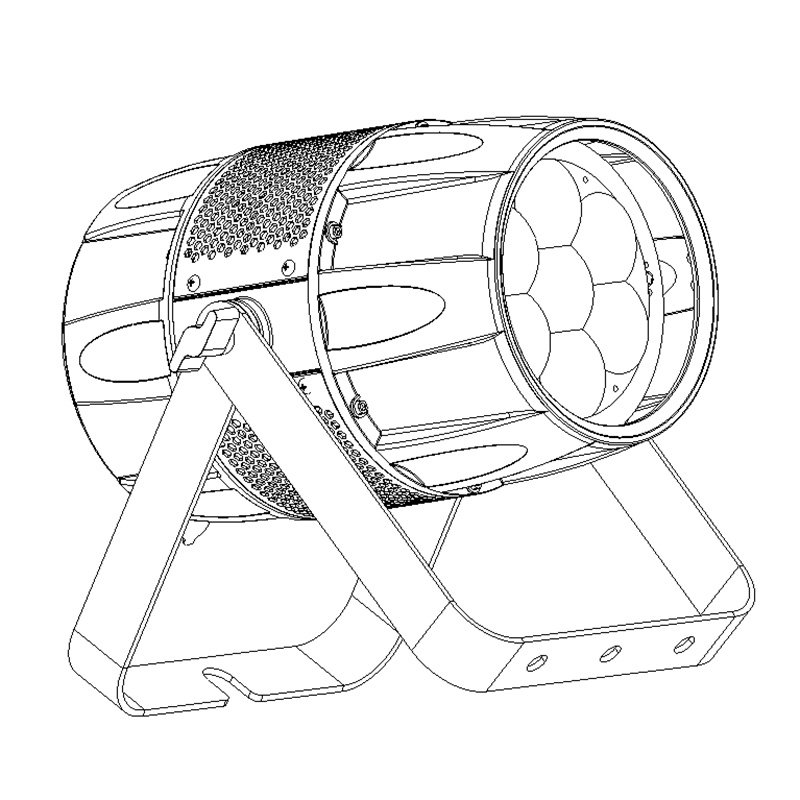
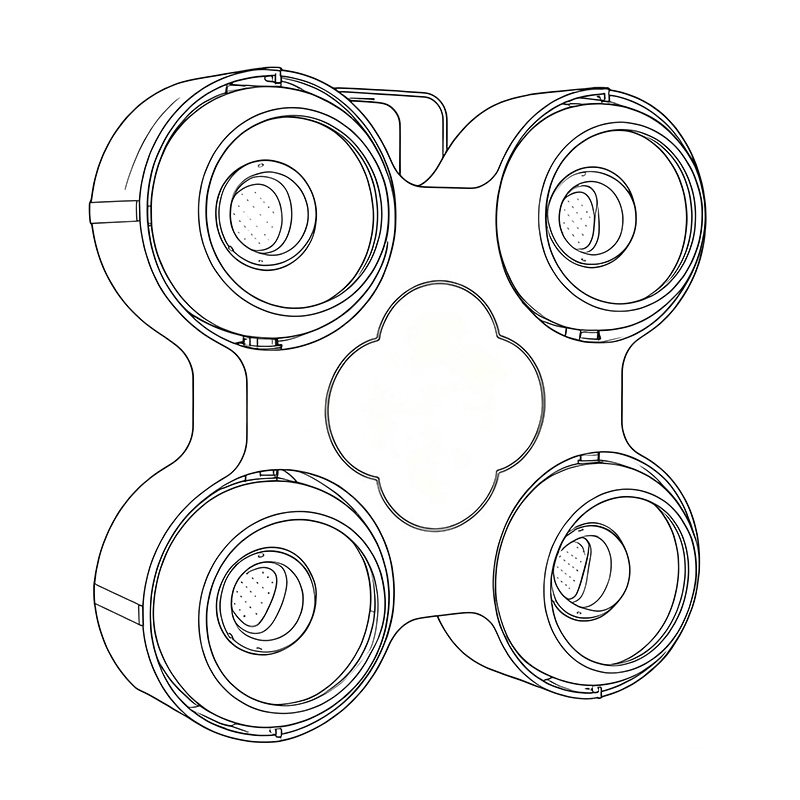
Réponse rapide
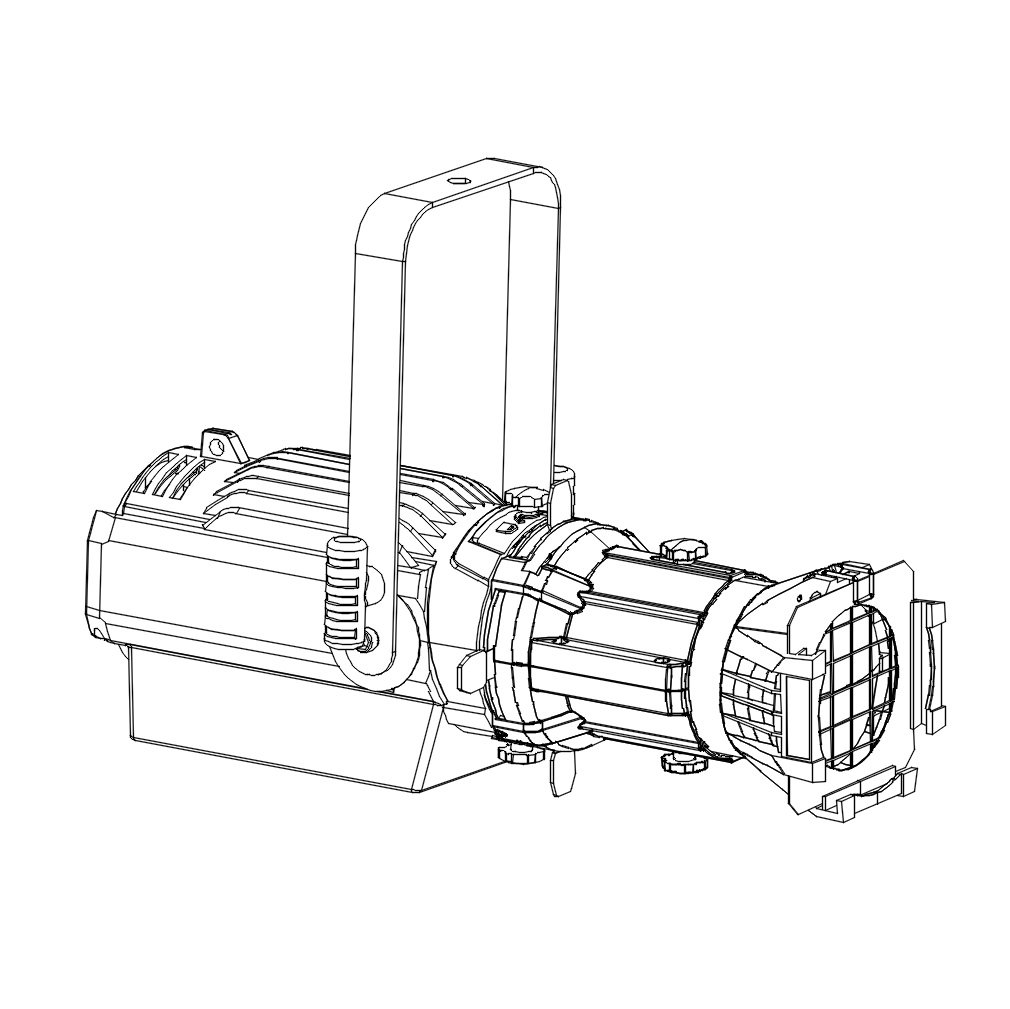
Un projecteur à tête mobile est un dispositif d'éclairage scénique automatisé qui combine un mouvement motorisé de pan et d'inclinaison avec un système optique de qualité de projection et des lames de cadrage contrôlables. Il peut viser, redimensionner et façonner un faisceau depuis laconsole, ce qui le rend utile lorsqu'un théâtre, un studio ou un dispositif en tournée nécessite un placement précis de la lumière sans avoir à recentrer manuellement un dispositif fixe. Les acheteurs doivent comparer les preuves photométriques, la qualité de cadrage, le zoom, la couleur, la performance de la caméra, le bruit, le poids et l'accès au service, et pas seulement la puissance en watts de la source.
Qu'est-ce qu'un projecteur à tête mobile ?
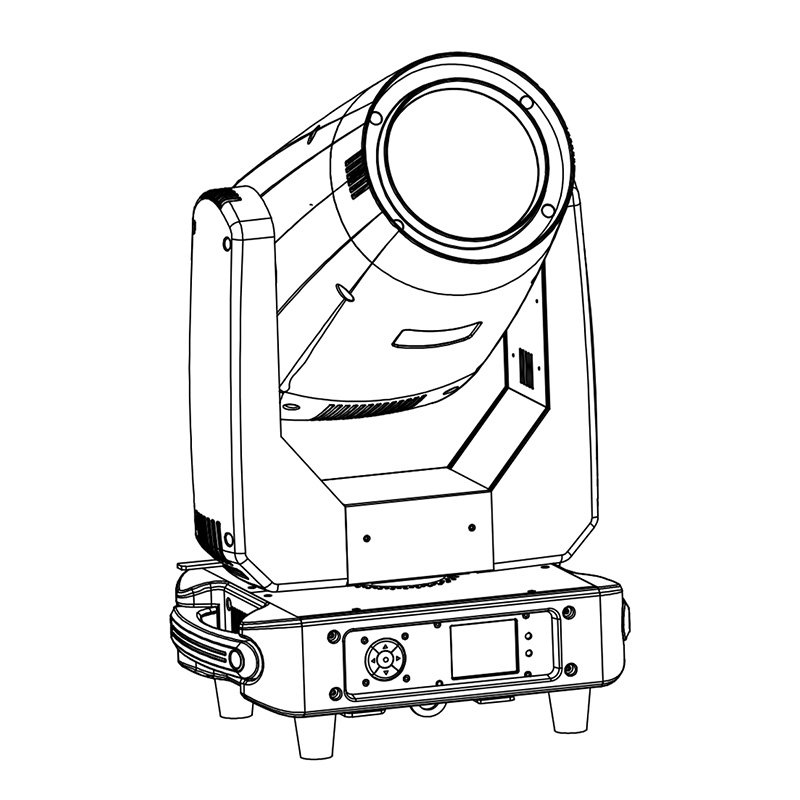
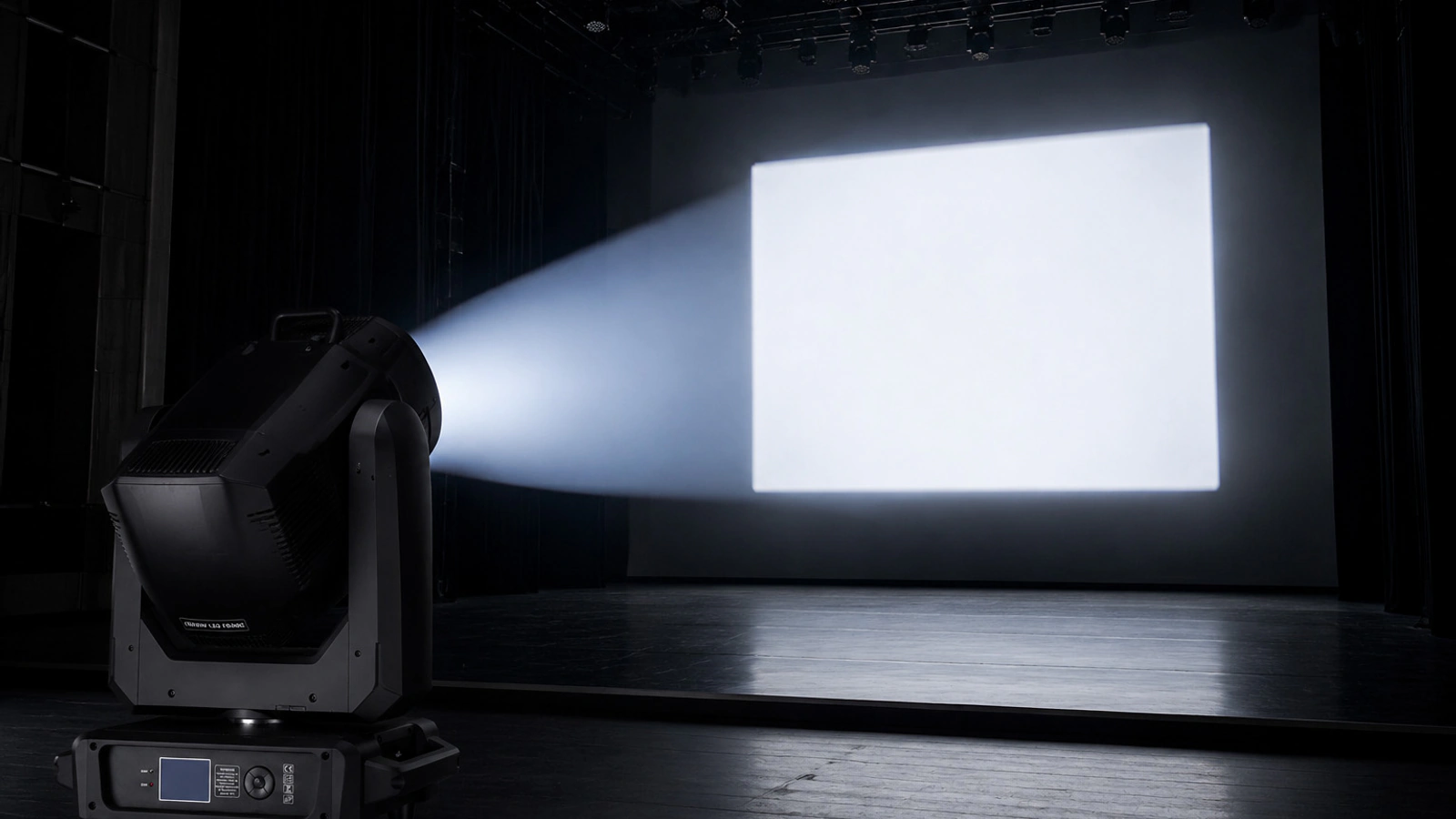
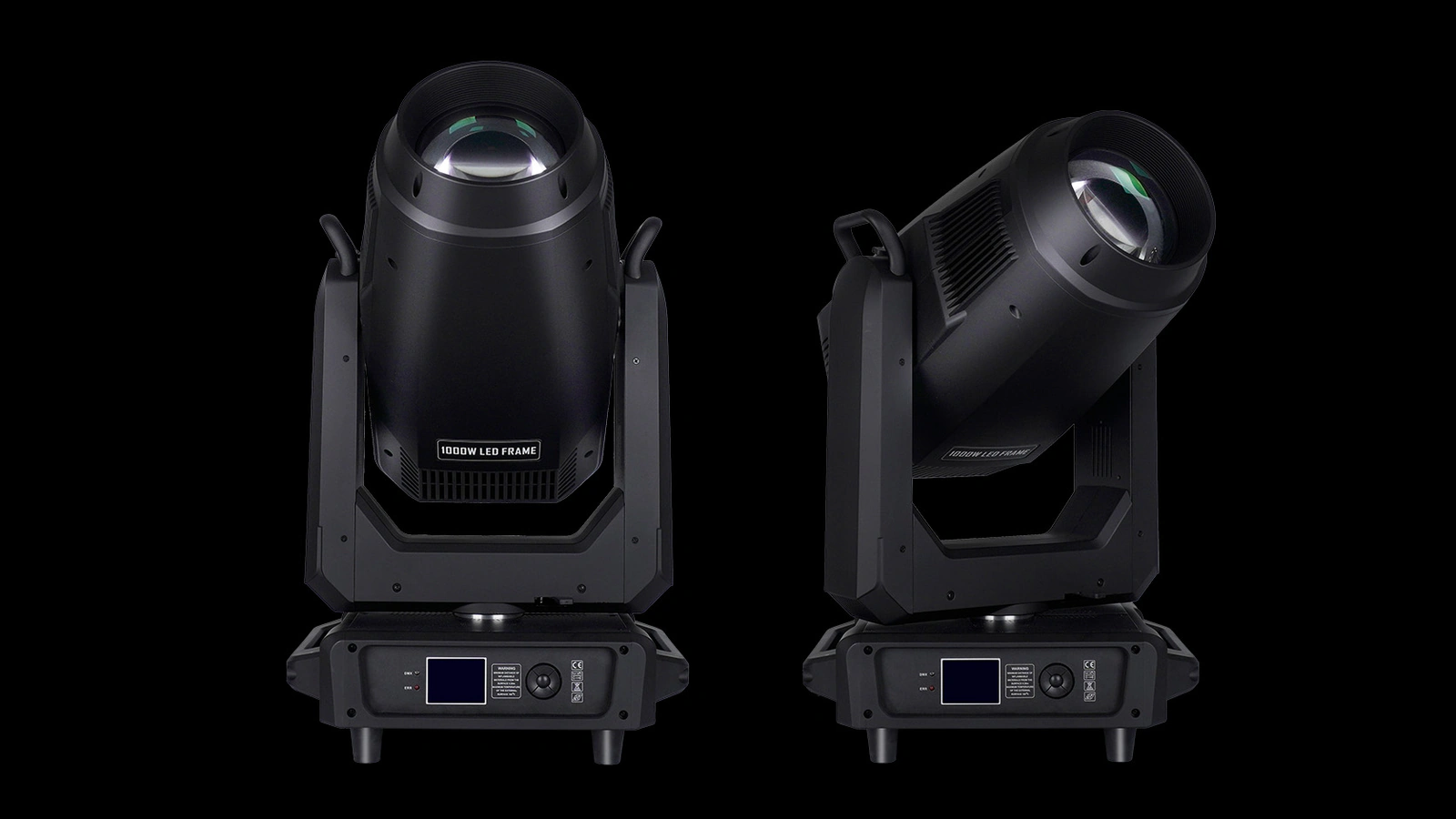
Un projecteur à tête mobile, également appelé projecteur à tête mobile de profil ou projecteur à tête mobile de cadrage, est conçu pour projeter un faisceau défini et le découper en formes géométriques. Sa tête se déplace sur deux axes motorisés : le pan tourne horizontalement et l'inclinaison se déplace verticalement. À l'intérieur du chemin optique, un système de mise au point, un groupe de zoom et un module de cadrage contrôlent le bord et la taille du champ projeté.
Cette combinaison le distingue d'un projecteur de profil théâtral fixe. Un projecteur statique est orienté manuellement sur un hauban et utilise souvent un tube de lentille amovible ou intégré. Un projecteur à tête mobile peut repositionner les repères, rappeler le cadrage et utiliser des couleurs ou des effets automatisés pendant un spectacle. Cette flexibilité ajoute des moteurs, des canaux de contrôle, du poids, des exigences de gestion de la chaleur et des points d'entretien.
“ Profil ” ne décrit pas un ensemble de fonctionnalités universel. Un modèle peut utiliser un mélange de couleurs CMY tandis qu'un autre s'appuie sur des roues de couleur. Certains incluent des gobos rotatifs, de l'animation, un iris ou un givre ; d'autres mettent l'accent sur un fonctionnement silencieux ou une protection extérieure. La fiche technique actuelle et le manuel du modèle exact doivent définir ce qui est inclus.
Comment fonctionnent les volets de cadrage et le module de cadrage
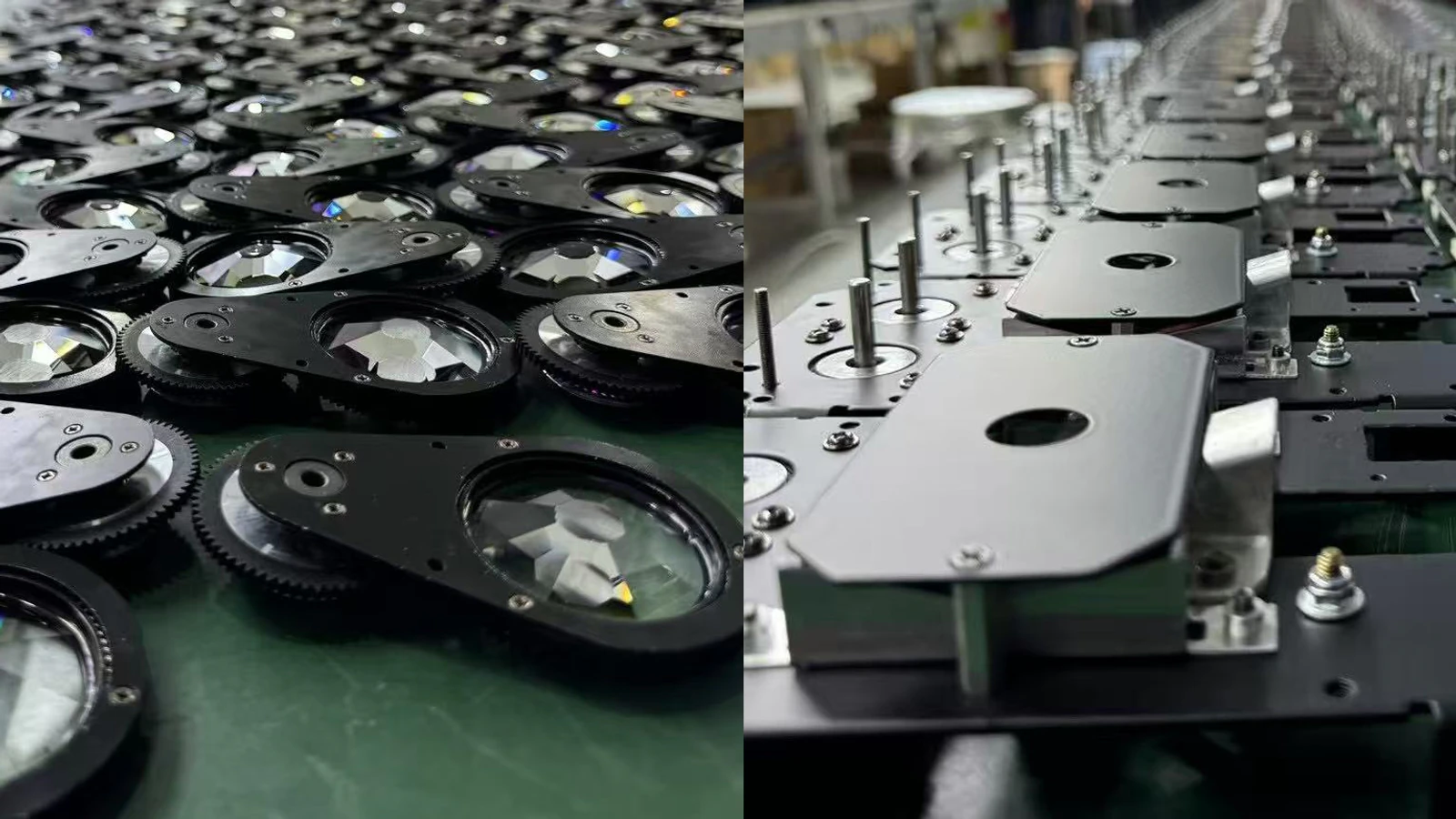
La plupart des projecteurs à tête mobile utilisent quatre lames de cadrage positionnées dans la section de formation de l'image du système optique. Chaque lame entre dans le faisceau d'un côté. En déplaçant les lames indépendamment, un opérateur peut créer des rectangles, des trapèzes, des bandes étroites ou des formes asymétriques. Un module de cadrage rotatif, lorsqu'il est fourni, change l'orientation de la forme complète sans déplacer le dispositif.
La console peut exposer un contrôle grossier et fin, l'insertion de lames, l'angle des lames et la rotation des modules en tant que paramètres distincts. La structure exacte des canaux est spécifique au modèle. Avant de commander, ouvrez le tableau DMX actuel plutôt que de supposer que deux dispositifs avec des évaluations de puissance similaires sont patchés de la même manière.
La qualité de cadrage est visible lors d'un test de projection réel. Vérifiez si :
- chaque lame se déplace suffisamment pour la forme requise ;
- les lames opposées peuvent créer une ouverture étroite utile ;
- les bords restent acceptablement droits sur la plage de zoom prévue;
- le plan du diaphragme peut être mis au point;
- le module tourne en douceur et revient de manière cohérente;
- le mouvement des lames est suffisamment silencieux pour le lieu;
- les repères adjacents reproduisent la même forme après des mouvements répétés.
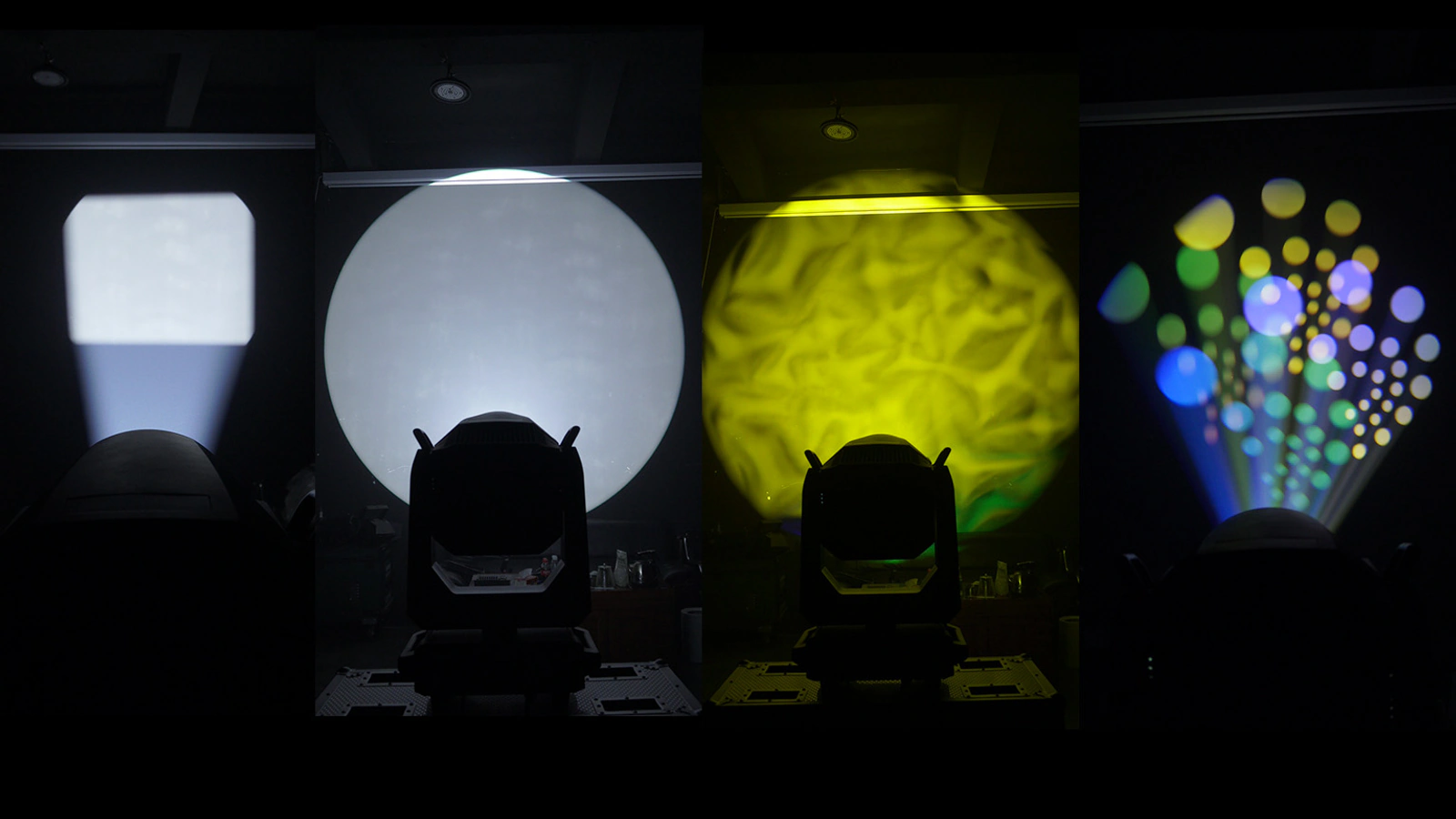
Le nombre de lames ne doit pas être déduit du nombre d'attributs DMX. Si une spécification indique “ huit volets ”, demandez au fournisseur un schéma du mécanisme ou un manuel. Un agencement courant est constitué de quatre lames physiques avec des mouvements ou des contrôles d'angle indépendants.
Projecteur à tête mobile vs Projecteur spot vs Projecteur wash vs Projecteur statique
| Type de luminaire | Contrôle du faisceau | Mouvement | Force typique | Question importante pour l'acheteur |
|---|---|---|---|---|
| Tête mobile de profil | Lames de cadrage, mise au point et généralement zoom ; gobos dépendant du modèle, iris ou gel | Panorama/tilt motorisé | Placement et façonnage de faisceau précis et répétables | Le cadrage reste-t-il utilisable à la portée et au zoom requis ? |
| Tête mobile spot | Faisceau défini avec gobos et mise au point ; le cadrage peut être absent | Panorama/tilt motorisé | Projection de motifs et effets aériens | Le cadrage est-il réellement inclus, ou s'agit-il d'un spot conventionnel ? |
| Tête mobile wash | Champ à bord doux, souvent avec un large zoom | Panorama/tilt motorisé | Couverture de couleur uniforme sur le décor ou les artistes | La uniformité du champ est-elle plus importante qu'un bord net ? |
| Projecteur à profil LED statique | Rideaux de cadrage et tube de lentille sur un châssis fixe | Ajusté manuellement | Lumière clé silencieuse et stable pour positions fixes | La position fixe est-elle suffisante pour le lieu ? |
Le bon choix suit la conception du signal. Si une scène de conférence nécessite deux lumières de pupitre permanentes, un profil statique peut être plus simple et plus silencieux. Si un spectacle itinérant doit remodeler et déplacer plusieurs éclairages spéciaux pendant chaque performance, l'automatisation peut justifier un projecteur à tête mobile. Pour un processus de sélection de luminaires statiques détaillé, utilisez le guide d'achat de projecteurs à profil LED plutôt que de comparer les watts dans ces catégories.
Systèmes optiques et d'effets que les acheteurs devraient évaluer
Source de lumière, sortie et preuves photométriques
La puissance d'entrée et la puissance des sources LED ne sont pas des mesures de sortie de faisceau. Demandez des données photométriques à des distances, positions de zoom et conditions de mesure définies. Un rapport utile identifie le modèle, la distance de test, la définition du faisceau ou du champ, le motif d'éclairement et les réglages électriques. Comparez la taille du champ et l'intensité utilisable à votre portée réelle, pas un seul nombre de lux central à une distance non liée.
Pour un échantillon, projetez sur une surface neutre. Recherchez des points chauds, des bords colorés, une mise au point irrégulière et une lumière excessive en dehors de la zone encadrée. Répétez aux positions de zoom étroite, moyenne et large que vous prévoyez d'utiliser.
Zoom et mise au point
Le zoom change l'angle projeté ou la taille du champ ; la mise au point aiguille le plan du rideau ou du gobo. La plage de zoom utile est celle qui répond aux exigences de sortie de l'établissement et de qualité des bords. Testez la mise au point après avoir changé le zoom car les groupes optiques peuvent interagir. Pour les spectacles riches en signaux, enregistrez la rapidité et la cohérence avec lesquelles les deux systèmes atteignent leurs positions.
Découpage, iris, gobos et gel
Les lames de découpage rognent le champ. Un iris change l'ouverture circulaire. Les gobos projettent des motifs, et le gel adoucit le faisceau. Ces fonctions ne se substituent pas les unes aux autres. Confirmez lesquelles sont incluses, si les gobos sont fixes ou rotatifs, si les tailles sont remplaçables, et comment le gel affecte la sortie et la couleur.
Système de couleur et contrôle de la lumière blanche
Une tête mobile à profil peut offrir un mélange CMY, une roue de couleur fixe, un CTO variable, un moteur LED multi-émetteurs ou une combinaison. Évaluez les couleurs utilisées dans le fichier de spectacle, y compris les teintes pâles et les blancs neutres. Vérifiez la couleur inégale à travers le champ et les étapes visibles lors des fondus lents. Si deux lots doivent être mélangés, demandez un plan d'appariement de lots et testez les échantillons ensemble.
Les exemples AOLAIT actuels incluent le Profil de tête mobile LED 600W, Profil de tête mobile LED 700W et un modèle de faisceau/spot/wash IP-profile.. Ces liens sont des points de départ pour l'examen des modèles, et non une preuve que chaque modèle possède les mêmes optiques, système de couleur, évaluation environnementale ou fonctions de contrôle. Confirmez la page produit actuelle, le manuel et la spécification de commande.
CRI, TLCI, CCT, PWM et vérifications de caméra
Pour la vision humaine, la qualité des couleurs ne doit pas être réduite à un seul numéro marketing. Le CRI peut faire partie de la discussion, mais les acheteurs travaillant avec des costumes, des teintes de peau, des décors ou des couleurs de marque devraient demander des preuves complètes. ANSI/IES TM-30-24 fournit des informations spécifiques sur la fidélité, le gamut et la teinte. Demandez un rapport lié au moteur LED exact et à la CCT.
Pour le travail télévisuel et cinématographique, EBU Tech 3355 / TLCI-2012 est pertinent car la réponse de la caméra peut différer de la réponse visuelle humaine. Un enregistrement de republication ultérieure ne rend pas TLCI-2012 un nouveau standard de 2026. Un CRI élevé revendiqué ne prouve pas une couleur de caméra acceptable.
Le CCT a également besoin de contexte. Confirmez le réglage nominal, la méthode d'ajustement, le comportement de teinte et la cohérence entre les unités. Si un spectacle mélange des dispositifs, comparez-les sur le même objectif neutre et la même caméra.
La variation de luminosité par modulation de largeur d'impulsion (PWM) peut produire des bandes ou des variations de luminosité à certaines vitesses d'obturation et fréquences d'images. Le terme “ sans scintillement ” ne devrait jamais être accepté sans condition de test. Lors de l'approbation des échantillons :
- Utilisez les boîtiers de caméra de production et les formats d'enregistrement.
- Testez les fréquences d'images, angles d'obturation ou vitesses d'obturation prévus.
- Faites fonctionner le dispositif à pleine puissance et à faible niveau de gradation.
- Testez le blanc statique, les couleurs mélangées et les fondus lents.
- Enregistrez toute fréquence PWM disponible ou tout réglage de mode caméra.
- Répétez après que le dispositif ait atteint la température de fonctionnement.
Où un projecteur à tête mobile s'intègre
Théâtre et arts de la scène
Le cadrage peut isoler une porte, un élément scénographique ou une zone d'acte tout en limitant les débordements. Les acheteurs devraient privilégier les indices silencieux, le gradation fluide, le positionnement répétable, la qualité des bords et l'accès à la maintenance. Une large affirmation de zoom n'est utile que si le champ reste propre au lancer requis.
Studios de télévision et de diffusion
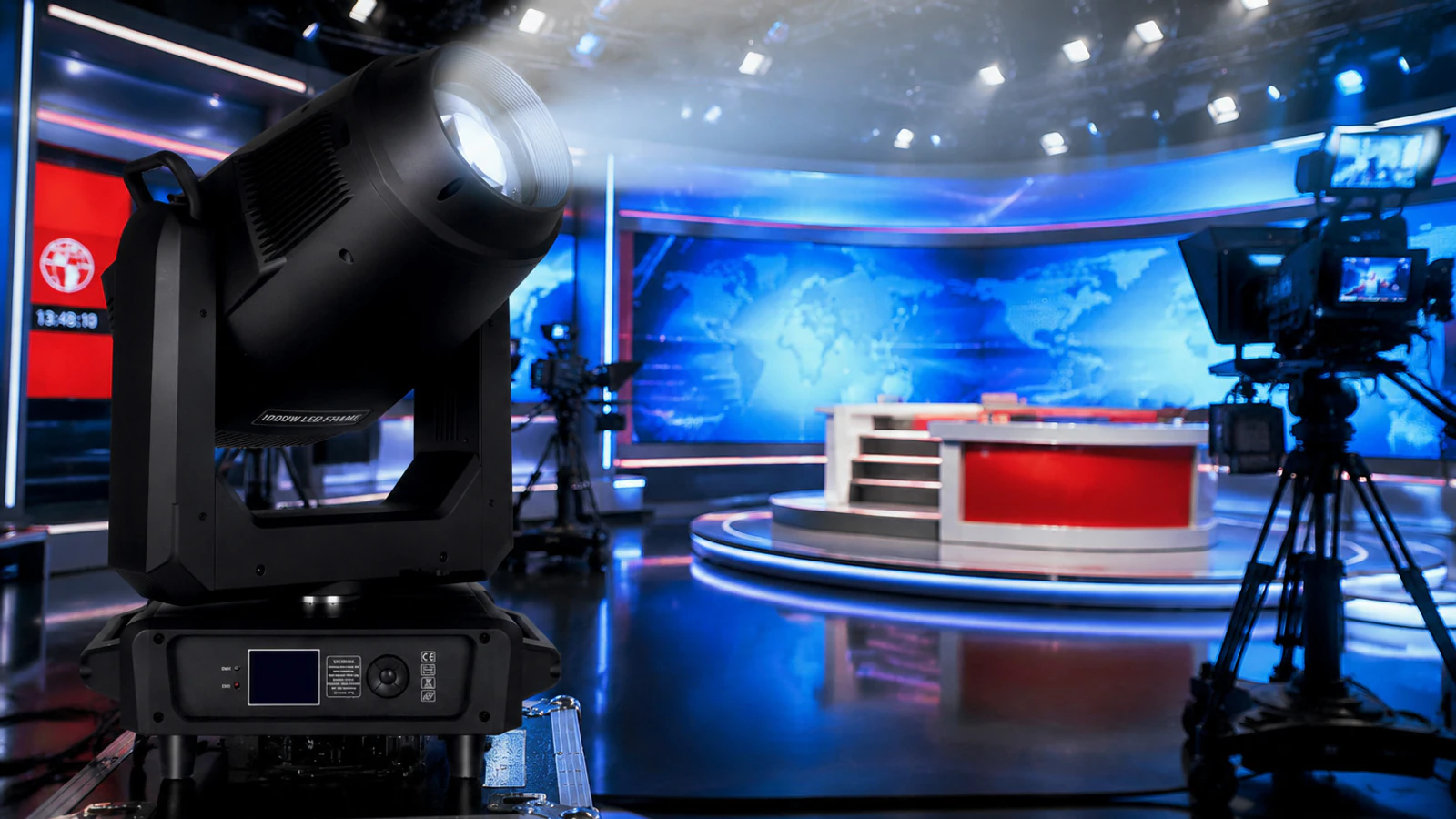
Les studios ont besoin de couleurs testées en caméra, de comportements de scintillement et de contrôle acoustique. Confirmez les modes de ventilateur et toute réduction de sortie associée à un réglage silencieux. Demandez si les réglages persistent après un cycle d'alimentation et si le statut à distance est disponible.
Flottes de location et tournées
Les entreprises de location valorisent souvent un zoom flexible, une configuration rapide, des connecteurs robustes, un transport protégé, un rapport d'erreur clair et des pièces d'usure remplaçables. Le poids affecte la manipulation par l'équipe, le chargement de la structure et le fret. Testez l'homing répété et la cohérence d'un dispositif à l'autre sur plus d'un échantillon lorsqu'il est possible.
Événements d'entreprise et scènes à écran LED
Le cadrage aide à garder la lumière directe éloignée des écrans de présentation, des surfaces de projection et des murs LED scénographiques. Le dispositif a toujours besoin d'une sortie utilisable suffisante à l'angle de lumière frontale réel. Testez sur l'écran réel ou équivalent car la réflexion et l'exposition de la caméra varient.
Intégrateurs et installations fixes
Les intégrateurs devraient considérer l'accès après installation, la topologie réseau/contrôle, la distribution d'énergie, les limites de bruit et la capacité d'entretien du client. L'automatisation est précieuse lorsque les espaces changent de configuration, mais un profil fixe peut être plus économique pour un focus permanent unique.
Bruit, chaleur, poids, rigging et entretien
Le bruit du ventilateur dépend du mode de fonctionnement, de la température ambiante, de la charge de poussière et de la sortie. Demandez des conditions de test acoustiques ou réalisez un test d'échantillon depuis les positions du public et du microphone. Ne suppposez pas qu'une étiquette “ studio ” signifie fonctionnement silencieux.
La gestion thermique affecte la stabilité de la sortie et le stress des composants. Lors d'un long test, surveillez tout éclaircissement inattendu, augmentation du bruit ou messages d'erreur. Demandez comment les filtres et les cheminements d'air sont nettoyés et quelles pièces sont réparables par l'utilisateur. Suivez les instructions de nettoyage du fabricant ; évitez l'air comprimé ou les liquides à moins que le manuel ne les autorise explicitement.
Les décisions de gréage doivent utiliser le poids exact du dispositif, les points de fixation approuvés, les attaches de sécurité, les limites d'orientation et les règles du lieu. Une page produit n'est pas un plan de gréage. Révisez les guide de sécurité de gréement à tête mobile et faites approuver l'installation par du personnel compétent. Pour l'entretien courant, consultez le guide d'entretien des têtes mobiles.
Un flux de travail d'échantillonnage B2B
Utilisez une feuille d'acceptation écrite afin que les mêmes critères s'appliquent à chaque fournisseur.
- Gel de l'application. Enregistrez le lieu, les distances de projection, les tailles des cibles, la hauteur de montage, l'utilisation de la caméra, les conditions ambiantes et le système de contrôle.
- Vérifiez l'identité. Faites correspondre le modèle d'échantillon, le firmware, le moteur LED et les options avec le devis et le manuel.
- Inspectez la construction et les accessoires. Vérifiez les connecteurs, le mouvement du châssis/tête, l'affichage, les pinces, le point de sécurité, les câbles d'alimentation/données et la protection lors de l'expédition.
- Mesurer la poutre. Enregistrer l'éclairement et la taille du champ aux positions de zoom pertinentes ; photographier la configuration de test.
- Exercer le cadrage. Construire des rectangles et des formes asymétriques, faire pivoter le module, réajuster la mise au point, stocker des repères et les répéter.
- Tester la couleur et les caméras. Revoir les points blancs, les teintes pâles, les dégradés, les preuves TLCI/TM-30 et les scintillements dans les conditions de production.
- Effectuer un test de chaleur/bruit. Faire fonctionner une séquence de spectacle représentative assez longtemps pour observer un comportement stable.
- Vérifier le contrôle et la récupération. Configurer les modes DMX fournis, tester l'adressage et confirmer le comportement après une interruption de signal ou d'alimentation. Le guide AOLAIT DMX512 fournit un contexte sur le système de contrôle.
- Revoir la maintenabilité. Confirmer les procédures de nettoyage, de calibration, de firmware, de pièces de rechange et de rapport de panne.
- Documenter les exceptions. Mettre chaque déviation acceptée et correction requise dans les spécifications d'achat.
Liste de contrôle des demandes de devis pour projecteurs à tête mobile
| Champ RFQ | Ce que l'acheteur devrait fournir ou demander |
|---|---|
| Application | Type de lieu, utilisation du spectacle, utilisation de la caméra et environnement opérationnel |
| Géométrie | Plage de lancement, taille de la cible, position de montage et couverture de zoom requise |
| Photométrie | Fichiers spécifiques au modèle et conditions de test aux positions de zoom pertinentes |
| Mise en cadre | Nombre de lames physiques, mouvement, rotation du module, mise au point et répétabilité des indices |
| Couleur | CCT système/couleur requis plus preuves CRI, TLCI ou TM-30 lorsque pertinent |
| Caméra | Taux de rafraîchissement, réglages de l'obturateur, niveaux de gradation et méthode de test |
| Contrôle | Mode DMX/tableau, exigences RDM, format de connecteur et informations sur le firmware |
| Mécanique | Poids net, dimensions, points de serrage/sécurité, orientation et boîte de transport |
| Conformité | Marché de destination et déclarations/rapports de test spécifiques au modèle |
| Commercial | Quantité, conditions d'échantillon, emballage, délai de livraison, pièces de rechange, garantie et processus après-vente |
N'acceptez pas un logo de certificat ou un document de famille générique sans vérifier le modèle, le demandeur/le fabricant, les normes, les dates et la pertinence pour le marché de destination. Les conditions commerciales doivent également être écrites dans la facture pro forma ou le contrat d'achat plutôt que d'être inférées à partir d'une page de blog.
Questions fréquemment posées
Un lyre à profil est-elle la même qu'une lyre à spot ?
Pas toujours. Les deux peuvent projeter un faisceau défini et des gobos, mais une lyre à profil comprend un système de découpage contrôlable pour couper le faisceau en formes. Certains vendeurs utilisent “ spot ” et “ profil ” de manière vague, donc confirmez le module de cadrage physique et le tableau DMX.
Combien de lames de cadrage une lyre à profil devrait-elle avoir ?
Quatre lames physiques sont courantes, une entrant de chaque côté. L'architecture de contrôle peut créer plus d'attributs DMX, mais cela ne signifie pas qu'il y a huit rideaux physiques. Vérifiez le mécanisme, la plage de mouvement et le manuel pour le modèle exact.
Une puissance watt plus élevée est-elle toujours meilleure pour un long tir ?
Non. L'illuminance utilisable dépend du système optique complet, de la position de zoom, de la qualité de champ et de la distance de mesure. Comparez les fichiers photométriques spécifiques au modèle et testez la taille cible au tir réel.
Les projecteurs à haute CRI ont-ils automatiquement une bonne apparence à la caméra ?
Non. Le CRI à lui seul ne décrit pas tout le comportement spectral ou de la caméra. Demandez des informations TLCI ou TM-30 lorsque pertinent, puis testez le dispositif exact avec la caméra de production, le taux de rafraîchissement, les réglages de l'obturateur et de gradation.
Une lyre à profil peut-elle remplacer un projecteur statique à profil ?
Il peut couvrir certaines des tâches de lumière de forme similaire, mais il ajoute de l'automatisation, du poids, des moteurs, du bruit et des coûts. Pour une position de mise au point permanente, un profil statique peut être plus simple. Choisissez en fonction des besoins d'installation et des indices.
Que devrait tester une entreprise de location en premier ?
Priorisez l'homming, la répétabilité du panoramique/tilt, la cohérence du cadrage, le zoom/la mise au point, les connecteurs, la protection pendant le transport, le reporting d'erreurs, l'accès au nettoyage et la disponibilité de pièces de rechange. Testez plus d'une unité avant une commande importante de flotte si possible.
Quels documents doivent être demandés avant l'importation ?
Spécifiez le marché de destination et demandez des déclarations, rapports, manuels, étiquettes et informations sur les composants spécifiques au modèle applicables à ce marché. Vérifiez les noms, numéros de modèle, normes et dates ; une image de certificat générique n'est pas suffisante.
Quelles informations doivent être incluses dans une demande d'échantillon ?
Fournissez le lieu, la distance de projection, le champ cible, la position de montage, les réglages de la caméra, le protocole de contrôle, l'alimentation, l'environnement et la quantité attendue. Demandez au fournisseur de citer le modèle exact, les options, les conditions d'échantillonnage et les preuves d'acceptation.
Demander un examen de modèle ou un échantillon
Si vous comparez des têtes mobiles de profil pour un théâtre, un studio, une flotte de location ou un projet d'intégration, envoyez à AOLAIT vos distances de projection, tailles cibles, exigences de caméra, plan de montage, système de contrôle et marché de destination. L'équipe peut identifier les modèles actuels pour révision et préparer un échantillon ou une réponse à une demande de devis. Utilisez le page de contact AOLAIT pour commencer la conversation technique.