
 English
  Español
  Français
  Português
  Deutsch
  日本語
日本語  한국어
한국어  Türkçe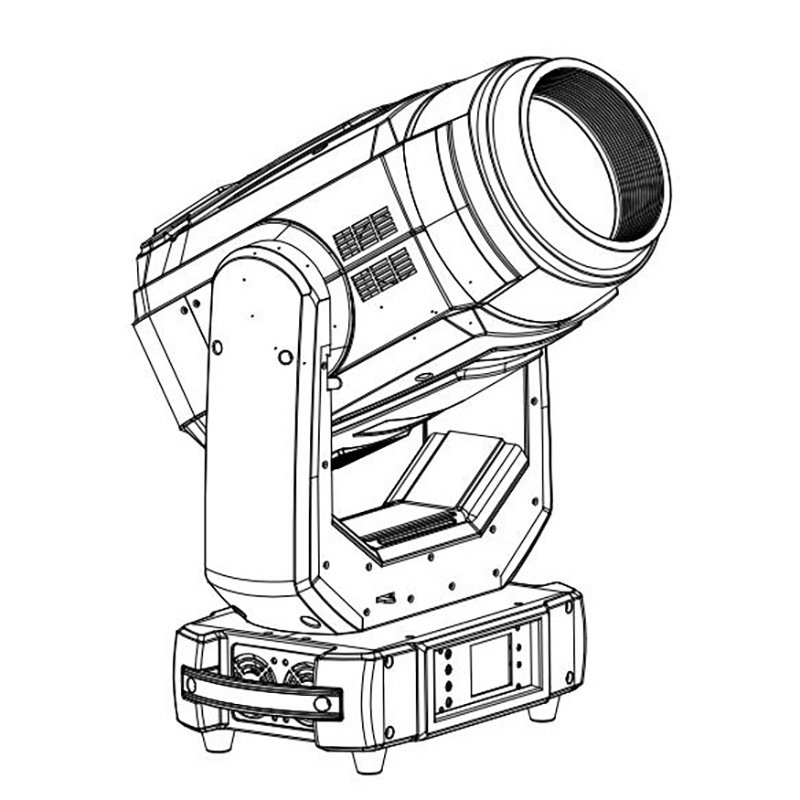
Quick Answer
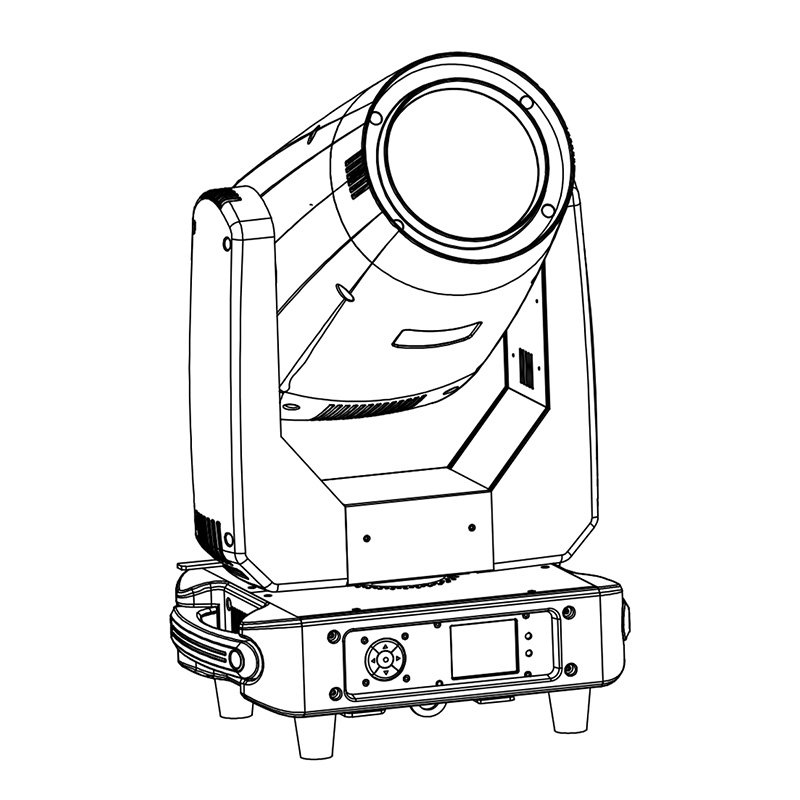
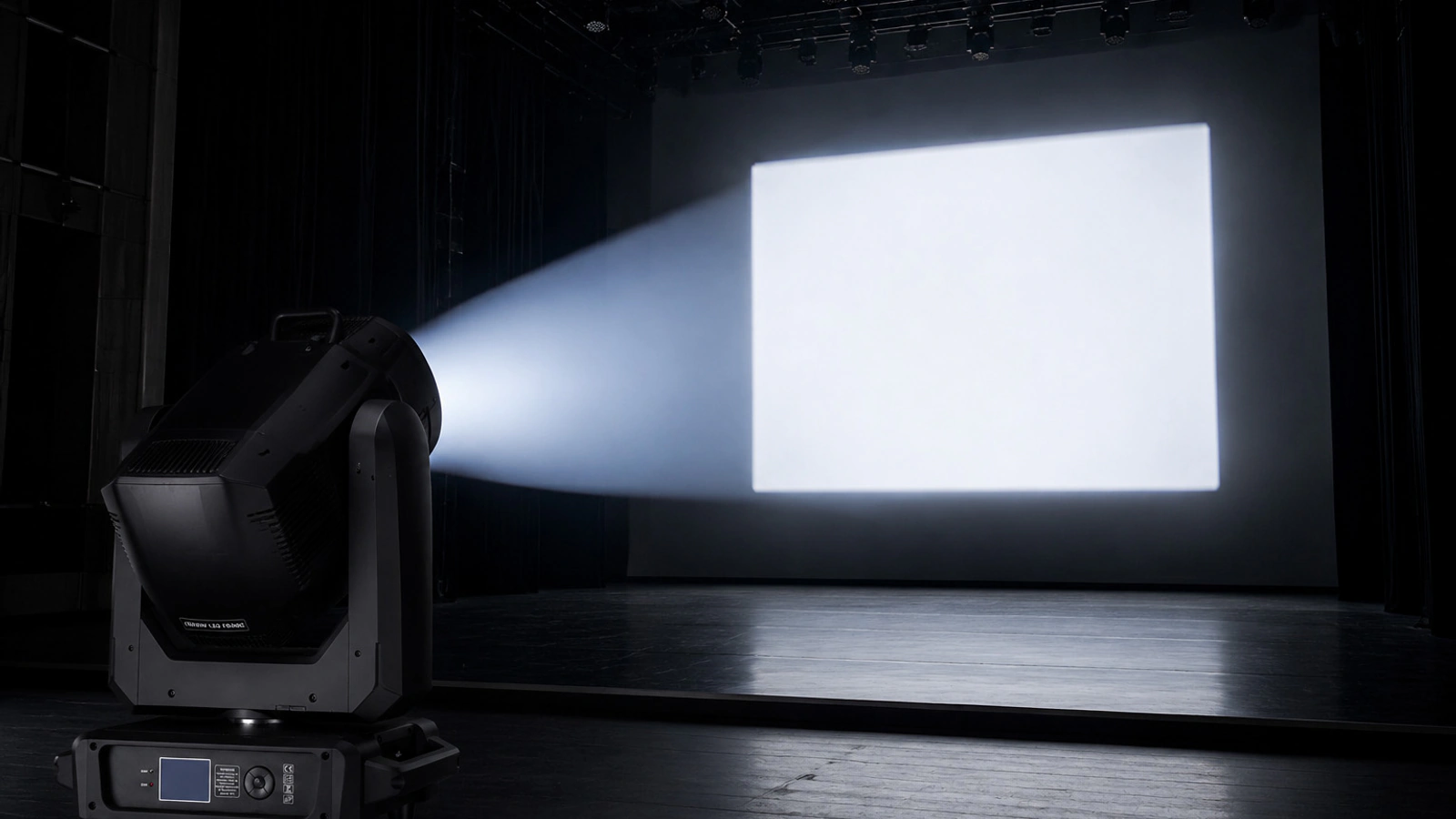
A profile moving head is an automated stage-lighting fixture that combines motorized pan and tilt with a projection-quality optical system and controllable framing blades. It can aim, resize and shape a beam from the console, which makes it useful when a theatre, studio or touring rig needs precise light placement without manually refocusing a fixed fixture. Buyers should compare photometric evidence, framing quality, zoom, color, camera performance, noise, weight and service access—not source wattage alone.
What Is a Profile Moving Head?
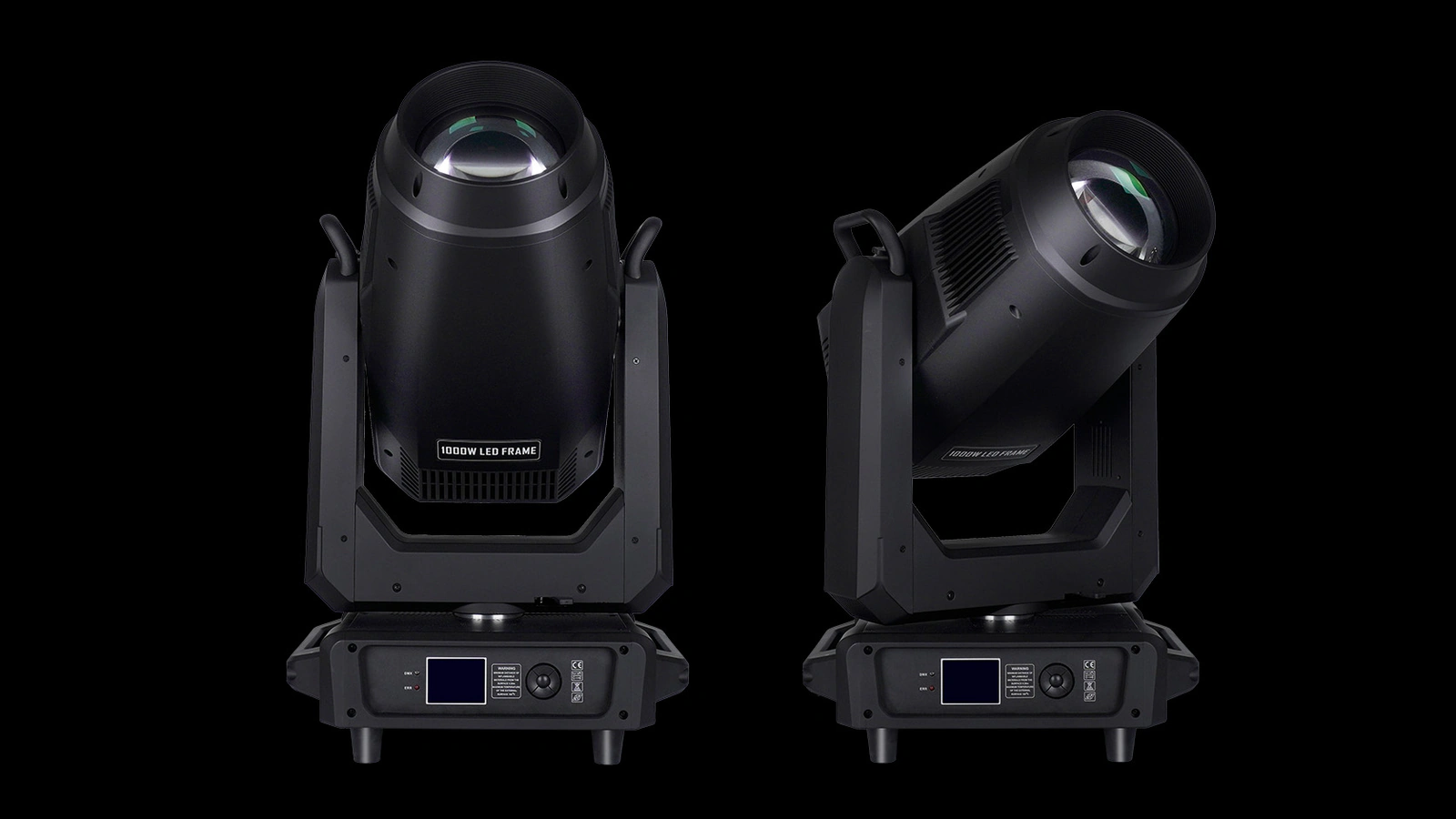
A profile moving head, also called a moving head profile or framing moving head, is designed to project a defined beam and cut that beam into geometric shapes. Its head moves on two motorized axes: pan turns horizontally and tilt moves vertically. Inside the optical path, a focus system, zoom group and framing module control the edge and size of the projected field.
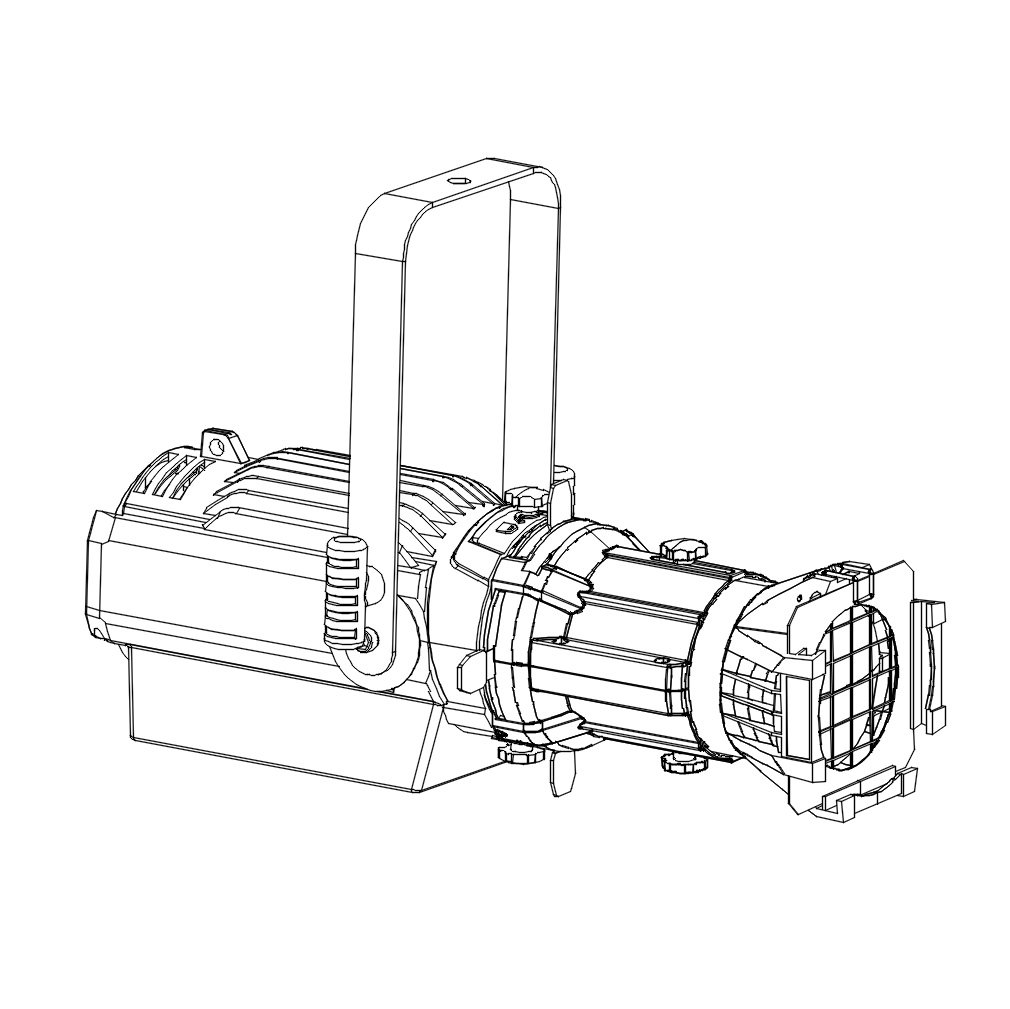
This combination separates it from a fixed theatrical profile spotlight. A static profile is manually aimed on a yoke and often uses a removable or integrated lens tube. A profile moving head can reposition cues, recall framing and use automated color or effects during a show. That flexibility adds motors, control channels, weight, heat-management requirements and maintenance points.
“Profile” does not describe one universal feature set. One model may use CMY color mixing while another relies on color wheels. Some include rotating gobos, animation, iris or frost; others emphasize quiet operation or outdoor protection. The current datasheet and manual for the exact model must define what is included.
How Framing Shutters and the Framing Module Work
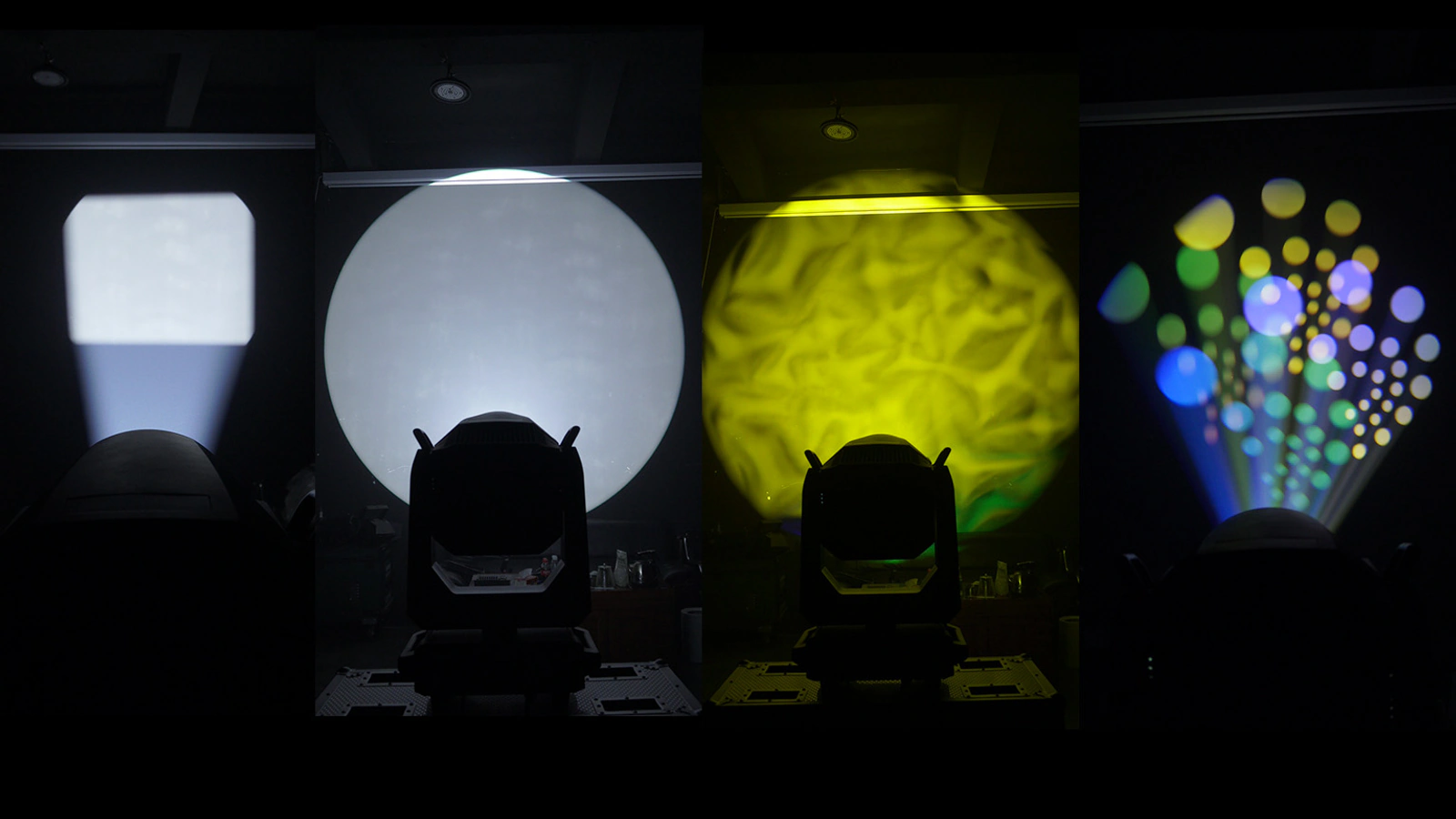
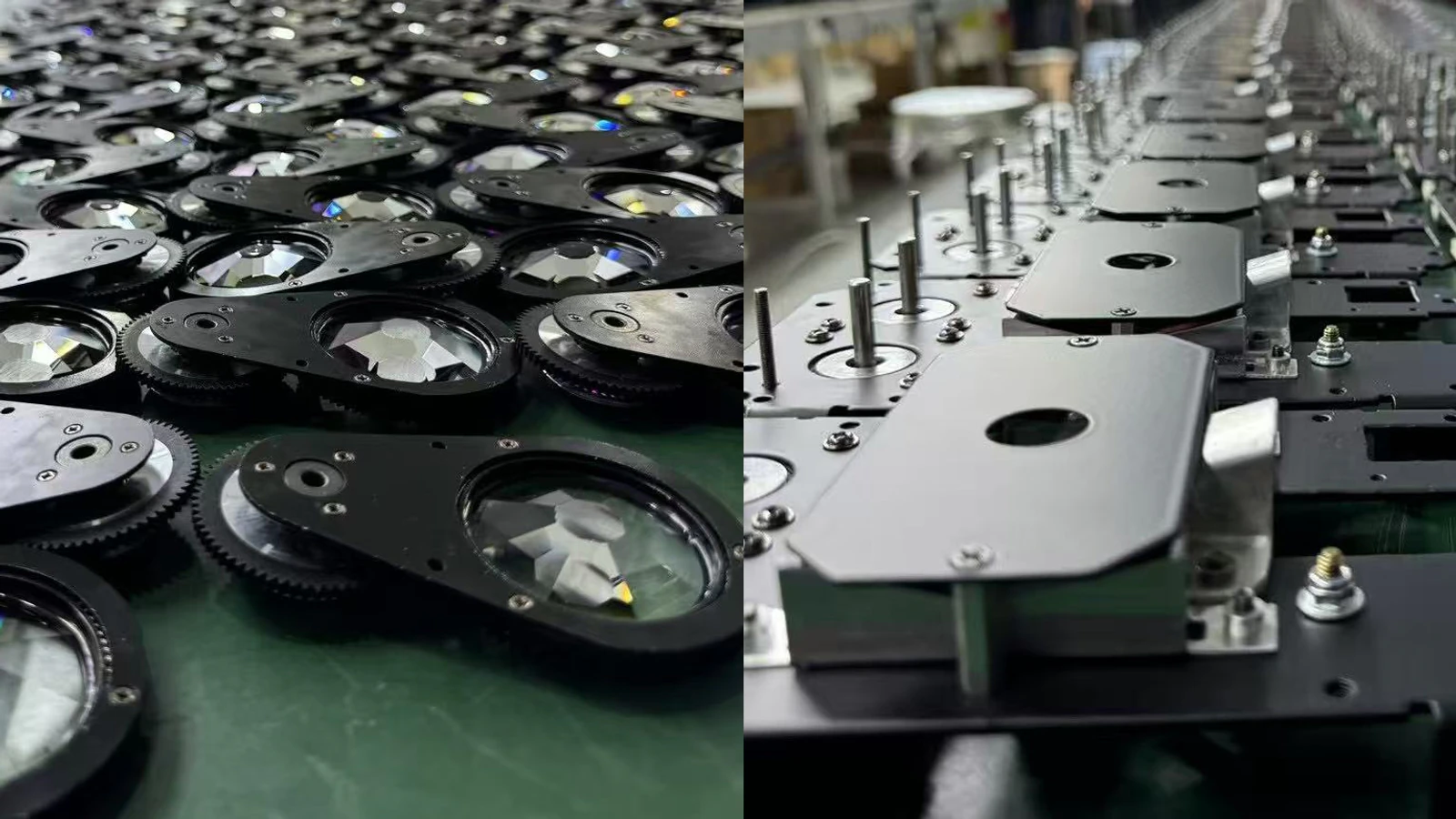
Most profile moving heads use four framing blades positioned in the image-forming section of the optical system. Each blade enters the beam from one side. By moving the blades independently, an operator can create rectangles, trapezoids, narrow strips or asymmetric shapes. A rotating framing module, when provided, changes the orientation of the complete shape without moving the fixture.
The console may expose coarse and fine control, blade insertion, blade angle and module rotation as separate parameters. The exact channel structure is model-specific. Before ordering, open the current DMX chart rather than assuming that two fixtures with similar power ratings patch the same way.
Framing quality is visible in a real projection test. Check whether:
- each blade travels far enough for the required shape;
- opposite blades can create a useful narrow aperture;
- edges remain acceptably straight across the intended zoom range;
- the shutter plane can be brought into focus;
- the module rotates smoothly and returns consistently;
- blade movement is quiet enough for the venue;
- adjacent cues reproduce the same shape after repeated movement.
A blade count should not be inferred from the number of DMX attributes. If a specification says “eight shutters,” ask the supplier for a mechanism drawing or manual. A common arrangement is four physical blades with independent movement or angle controls.
Profile vs Spot vs Wash vs Static Profile Spotlight
| Fixture type | Beam control | Movement | Typical strength | Important buyer question |
|---|---|---|---|---|
| Profile moving head | Framing blades, focus and usually zoom; model-dependent gobos, iris or frost | Motorized pan/tilt | Precise, repeatable beam placement and shaping | Does the framing stay usable at the required throw and zoom? |
| Spot moving head | Defined beam with gobos and focus; framing may be absent | Motorized pan/tilt | Pattern projection and aerial effects | Is framing actually included, or is this a conventional spot? |
| Wash moving head | Soft-edged field, often with wide zoom | Motorized pan/tilt | Even color coverage over scenery or performers | Is field uniformity more important than a hard edge? |
| Static LED profile spotlight | Framing shutters and lens tube on a fixed yoke | Manually aimed | Quiet, stable key light for fixed positions | Is fixed positioning sufficient for the venue? |
The right choice follows the cue design. If a conference stage needs two permanent lectern keys, a static profile may be simpler and quieter. If a touring show must reshape and move several specials during every performance, automation may justify a profile moving head. For a detailed static-fixture selection process, use the LED profile spotlight buyer guide rather than comparing watts across these categories.
Optical and Effect Systems Buyers Should Evaluate
Light source, output and photometric evidence
Input power and LED-source wattage are not beam-output measurements. Ask for photometric data at defined distances, zoom positions and measurement conditions. A useful report identifies the model, test distance, beam or field definition, illuminance pattern and electrical settings. Compare the field size and usable intensity at your actual throw, not a single center-lux number at an unrelated distance.
For a sample, project onto a neutral surface. Look for hotspots, colored edges, uneven focus and excessive light outside the framed area. Repeat at the narrow, middle and wide zoom positions you expect to use.
Zoom and focus
Zoom changes the projected angle or field size; focus sharpens the shutter or gobo plane. The useful zoom range is the part that meets the venue’s output and edge-quality requirements. Test focus after changing zoom because optical groups can interact. For cue-heavy shows, record how quickly and consistently both systems reach their positions.
Framing, iris, gobos and frost
Framing blades crop the field. An iris changes the circular aperture. Gobos project patterns, and frost softens the beam. These functions are not substitutes for one another. Confirm which are included, whether gobos are fixed or rotating, whether sizes are replaceable, and how frost affects output and color.
Color system and white-light control
A profile moving head may offer CMY mixing, a fixed color wheel, variable CTO, a multi-emitter LED engine or a combination. Evaluate the colors used in the show file, including pale tints and neutral whites. Check for uneven color across the field and visible steps during slow fades. If two batches will be mixed, request a batch-matching plan and test samples together.
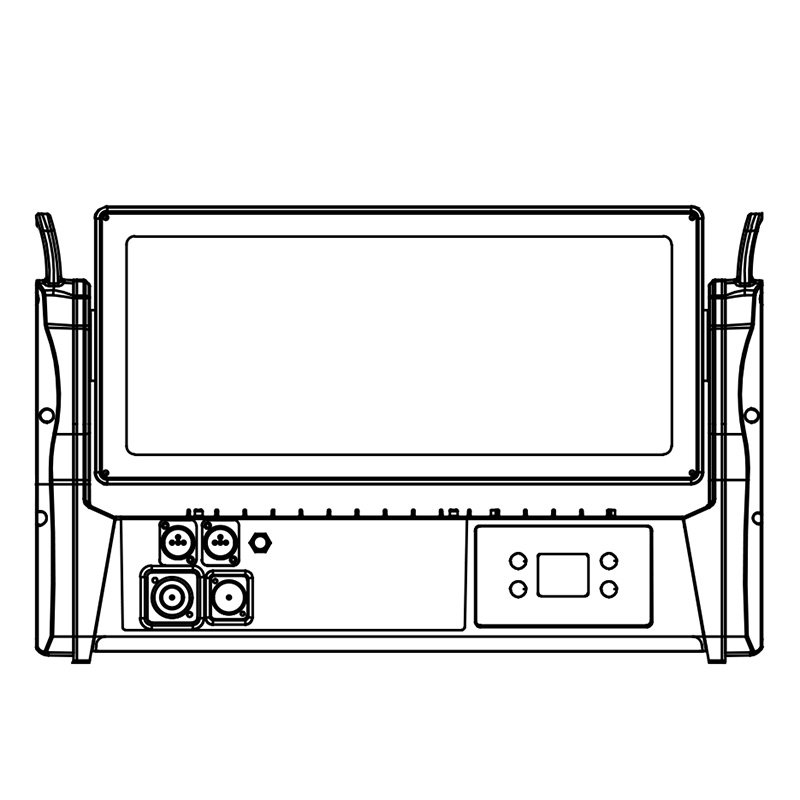
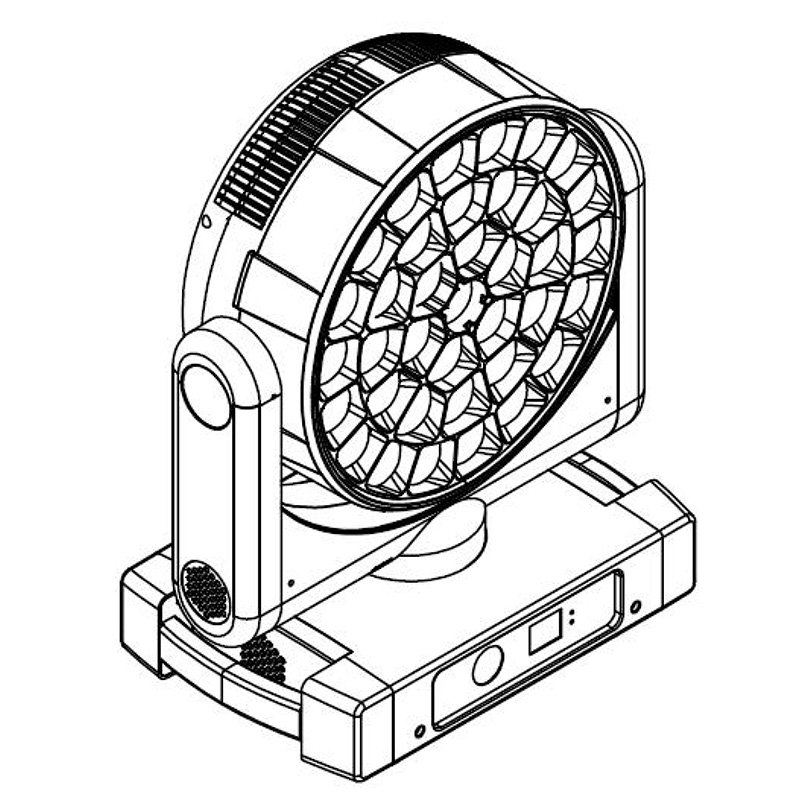
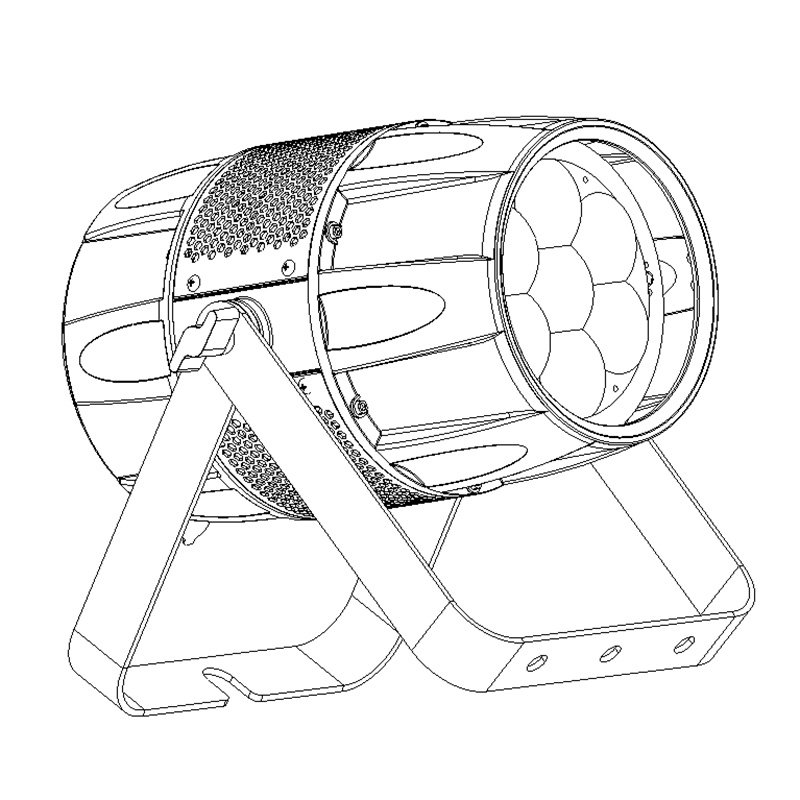
Current AOLAIT examples include the 600W LED Profile Moving Head, 700W LED Profile Moving Head and an IP-profile beam/spot/wash model. These links are starting points for model review, not proof that every model has the same optics, color system, environmental rating or control functions. Confirm the current product page, manual and order specification.
CRI, TLCI, CCT, PWM and Camera Checks
For human vision, color quality should not be reduced to one marketing number. CRI can be part of the discussion, but buyers working with costumes, skin tones, scenery or branded colors should request fuller evidence. ANSI/IES TM-30-24 provides fidelity, gamut and hue-specific information. Ask for a report tied to the exact LED engine and CCT.
For television and camera work, EBU Tech 3355 / TLCI-2012 is relevant because camera response can differ from human visual response. A later republication record does not make TLCI-2012 a new 2026 standard. A claimed high CRI does not prove acceptable camera color.
CCT also needs context. Confirm the nominal setting, adjustment method, tint behavior and consistency between units. If a show mixes fixtures, compare them on the same neutral target and camera.
PWM dimming can produce bands or brightness variation at certain shutter speeds and frame rates. “Flicker-free” should never be accepted without a test condition. During sample approval:
- Use the production camera bodies and recording formats.
- Test the intended frame rates, shutter angles or shutter speeds.
- Run the fixture at full output and at low dimmer levels.
- Test static white, mixed colors and slow fades.
- Record any available PWM-frequency or camera-mode setting.
- Repeat after the fixture reaches operating temperature.
Where a Profile Moving Head Fits
Theatre and performing arts
Framing can isolate a doorway, scenic element or acting area while limiting spill. Buyers should prioritize quiet cues, smooth dimming, repeatable positioning, edge quality and service access. A wide zoom claim is useful only if the field remains clean at the required throw.
Television and broadcast studios
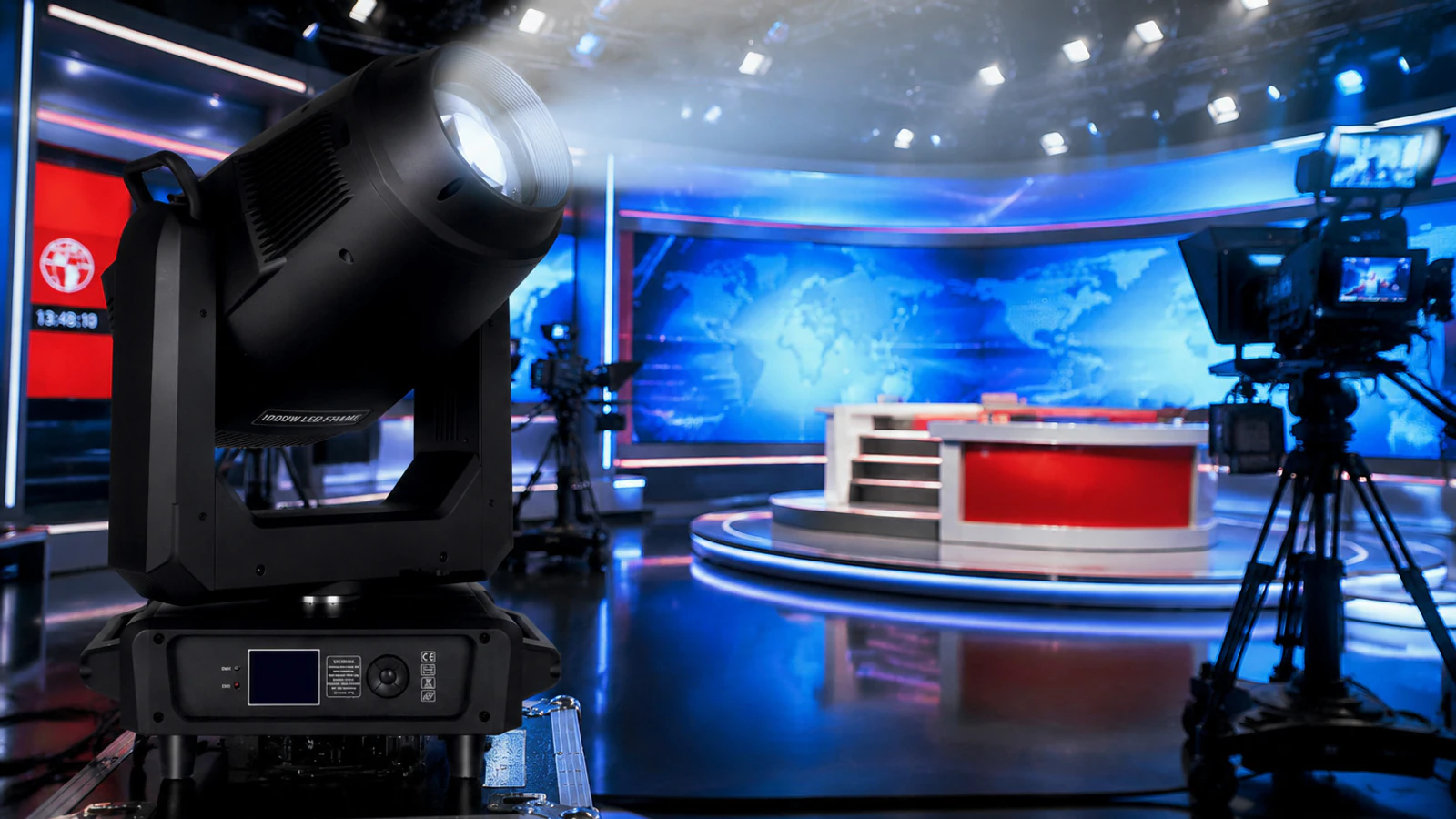
Studios need camera-tested color, flicker behavior and acoustic control. Confirm fan modes and any output reduction associated with a quiet setting. Ask whether settings persist after power cycling and whether remote status is available.
Rental fleets and touring
Rental companies often value flexible zoom, fast setup, robust connectors, protected transport, clear error reporting and replaceable wear parts. Weight affects crew handling, truss loading and freight. Test repeated homing and fixture-to-fixture consistency across more than one sample when possible.
Corporate events and LED-screen stages
Framing helps keep direct light off presentation screens, projection surfaces and scenic LED walls. The fixture still needs enough usable output at the actual front-light angle. Test on the real or equivalent screen because reflection and camera exposure vary.
Integrators and fixed installations
Integrators should consider access after installation, network/control topology, power distribution, noise limits and the client’s maintenance capability. Automation is valuable when spaces change configuration, but a fixed profile may be more economical for a single permanent focus.
Noise, Heat, Weight, Rigging and Maintenance
Fan noise depends on operating mode, ambient temperature, dust loading and output. Request acoustic test conditions or conduct a sample test from the audience and microphone positions. Do not assume a “studio” label means silent operation.
Thermal management affects output stability and component stress. During a long test, watch for unexpected dimming, rising noise or error messages. Ask how filters and air paths are cleaned and which parts are user-serviceable. Follow the manufacturer’s cleaning instructions; avoid compressed air or liquids unless the manual explicitly allows them.
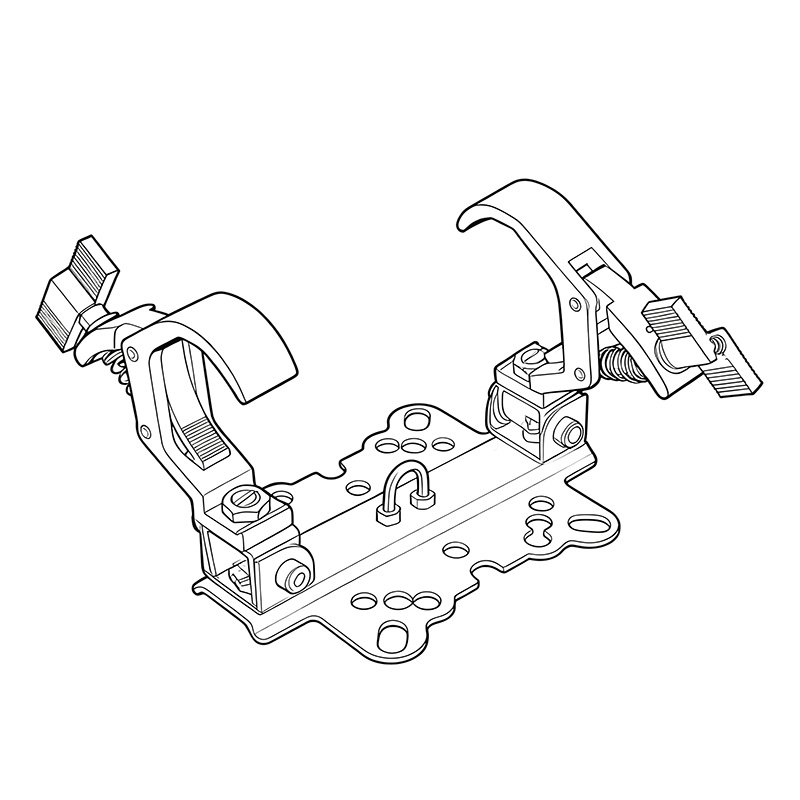
Rigging decisions must use the exact fixture weight, approved clamp points, safety attachment, orientation limits and venue rules. A product page is not a rigging plan. Review AOLAIT’s moving-head rigging safety guide and have competent personnel approve the installation. For routine care, see the moving-head maintenance guide.
A B2B Sample-Test Workflow
Use a written acceptance sheet so the same criteria apply to every supplier.
- Freeze the application. Record venue, throw distances, target sizes, mounting height, camera use, ambient conditions and control system.
- Verify identity. Match sample model, firmware, LED engine and options to the quotation and manual.
- Inspect build and accessories. Check connectors, yoke/head movement, display, clamps, safety point, power/data cables and shipping protection.
- Measure the beam. Record illuminance and field size at relevant zoom positions; photograph the test layout.
- Exercise framing. Build rectangles and asymmetric shapes, rotate the module, refocus, store cues and repeat them.
- Test color and cameras. Review white points, pale tints, fades, TLCI/TM-30 evidence and flicker under production settings.
- Run a heat/noise test. Operate a representative show sequence long enough to observe stable behavior.
- Check control and recovery. Patch the supplied DMX modes, test addressing and confirm behavior after signal or power interruption. The AOLAIT DMX512 guide provides control-system background.
- Review serviceability. Confirm cleaning, calibration, firmware, spare parts and fault-reporting procedures.
- Document exceptions. Put every accepted deviation and required correction into the purchase specification.
Profile Moving Head RFQ Checklist
| RFQ field | What the buyer should provide or request |
|---|---|
| Application | Venue type, show use, camera use and operating environment |
| Geometry | Throw range, target size, mounting position and required zoom coverage |
| Photometrics | Model-specific files and test conditions at relevant zoom positions |
| Framing | Physical blade count, movement, module rotation, focus and cue repeatability |
| Color | Required CCT/color system plus CRI, TLCI or TM-30 evidence where relevant |
| Camera | Frame rates, shutter settings, dimmer levels and test method |
| Control | DMX mode/chart, RDM requirement, connector format and firmware information |
| Mechanical | Net weight, dimensions, clamp/safety points, orientation and transport case |
| Compliance | Destination market and model-specific declarations/test reports |
| Commercial | Quantity, sample terms, packaging, lead time, spares, warranty and after-sales process |
Do not accept a certificate logo or generic family document without checking the model, applicant/manufacturer, standards, dates and destination-market relevance. Commercial terms should also be written into the proforma invoice or purchase contract rather than inferred from a blog page.
Frequently Asked Questions
Is a profile moving head the same as a spot moving head?
Not always. Both can project a defined beam and gobos, but a profile moving head includes a controllable framing system for cutting the beam into shapes. Some sellers use “spot” and “profile” loosely, so confirm the physical framing module and DMX chart.
How many framing blades should a profile moving head have?
Four physical blades are common, one entering from each side. Control architecture may create more DMX attributes, but that does not mean there are eight physical shutters. Verify the mechanism, movement range and manual for the exact model.
Is higher wattage always better for a long throw?
No. Usable illuminance depends on the complete optical system, zoom position, field quality and measurement distance. Compare model-specific photometric files and test the target size at the actual throw.
Do high-CRI fixtures automatically look good on camera?
No. CRI alone does not describe all spectral or camera behavior. Request TLCI or TM-30 information when relevant, then test the exact fixture with the production camera, frame rate, shutter and dimmer settings.
Can a profile moving head replace a static profile spotlight?
It can cover some of the same shaped-light tasks, but it adds automation, weight, motors, noise and cost. For a permanent focus position, a static profile may be simpler. Choose based on cue and installation needs.
What should a rental company test first?
Prioritize homing, pan/tilt repeatability, framing consistency, zoom/focus, connectors, transport protection, error reporting, cleaning access and spare-parts availability. Test more than one unit before a large fleet order when possible.
What documents should be requested before importing?
Specify the destination market and ask for model-specific declarations, reports, manuals, labels and component information applicable to that market. Check names, model numbers, standards and dates; a generic certificate image is not sufficient.
What information should be included in a sample request?
Provide the venue, throw distance, target field, mounting position, camera settings, control protocol, power, environment and expected quantity. Ask the supplier to quote the exact model, options, sample terms and acceptance evidence.
Request a Model Review or Sample
If you are comparing profile moving heads for a theatre, studio, rental fleet or integration project, send AOLAIT your throw distances, target sizes, camera requirements, mounting plan, control system and destination market. The team can identify current models for review and prepare a sample or RFQ response. Use the AOLAIT contact page to start the technical conversation.