
 English
  Español
  Français
  Português
  Deutsch
  日本語
日本語  한국어
한국어  Türkçe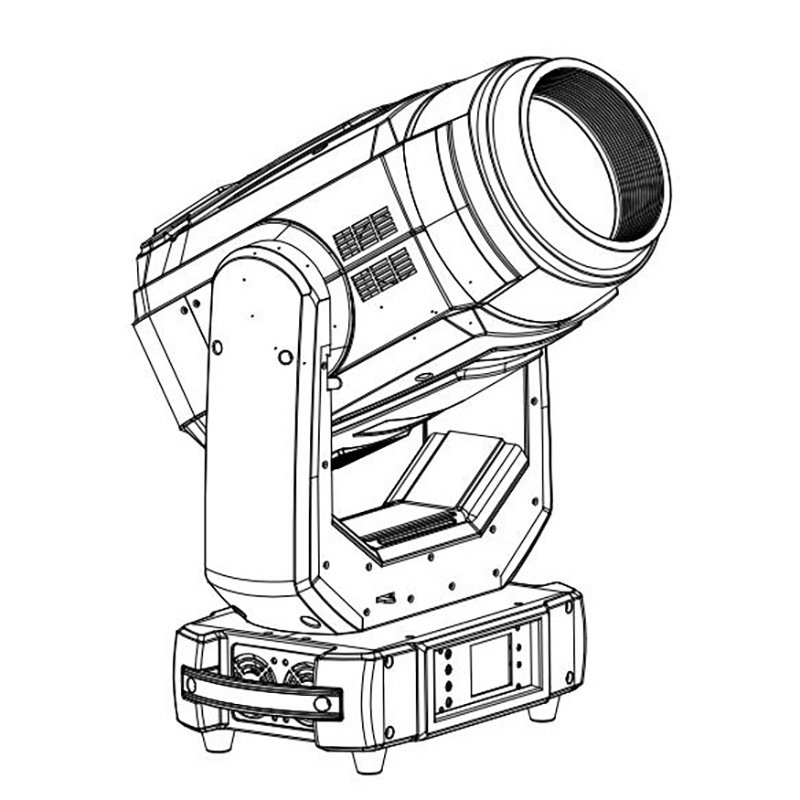
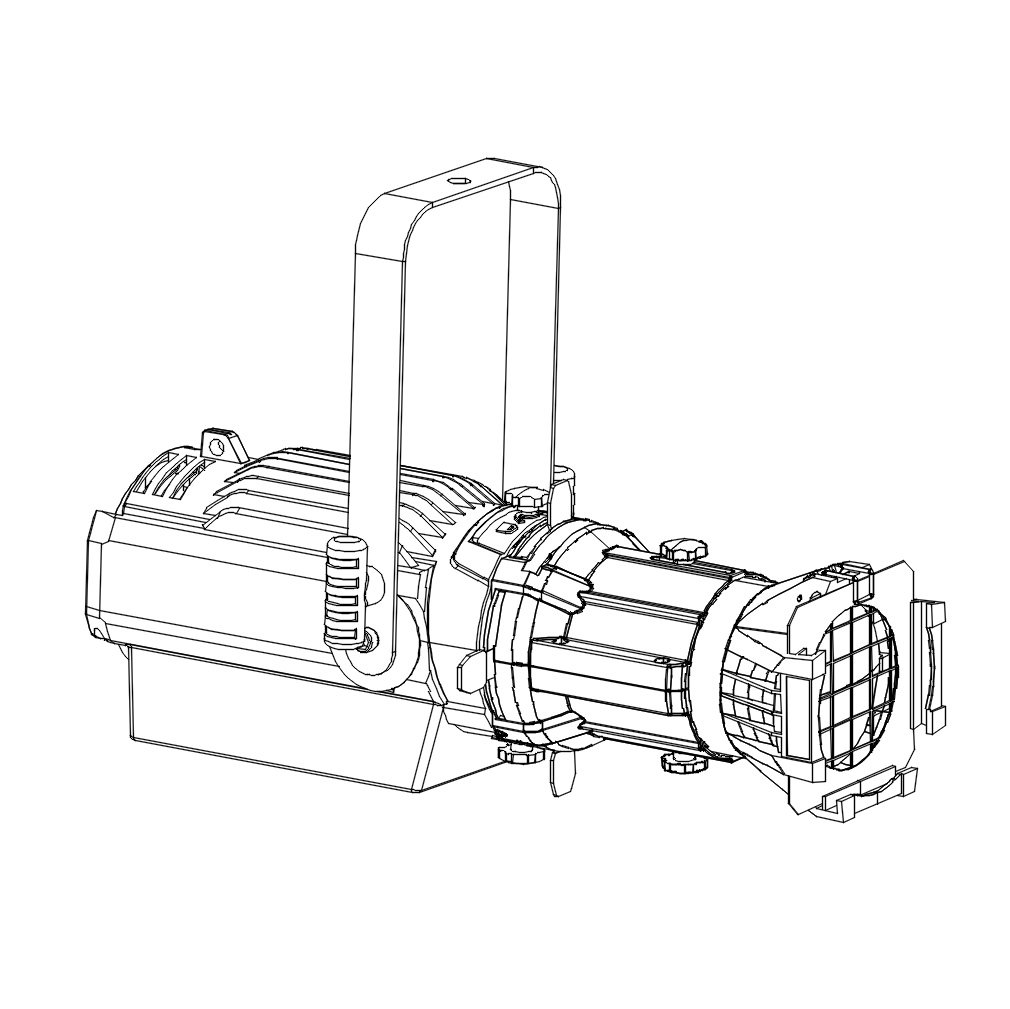
How Does Stage Lighting Transform Events From Ordinary to Unforgettable?
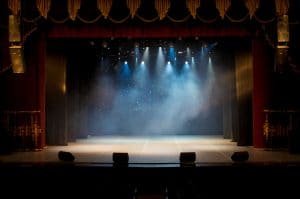
Is your event feeling a bit… plain? Worried it lacks the impact to truly wow your audience? Strategic stage lighting is the secret ingredient you need for unforgettable moments. Quite simply, stage lighting transforms events by setting the mood, directing focus, enhancing performances, and creating immersive visual experiences. It turns a simple gathering into a dynamic spectacle, shaping the audience\’s emotional journey and making the event memorable.
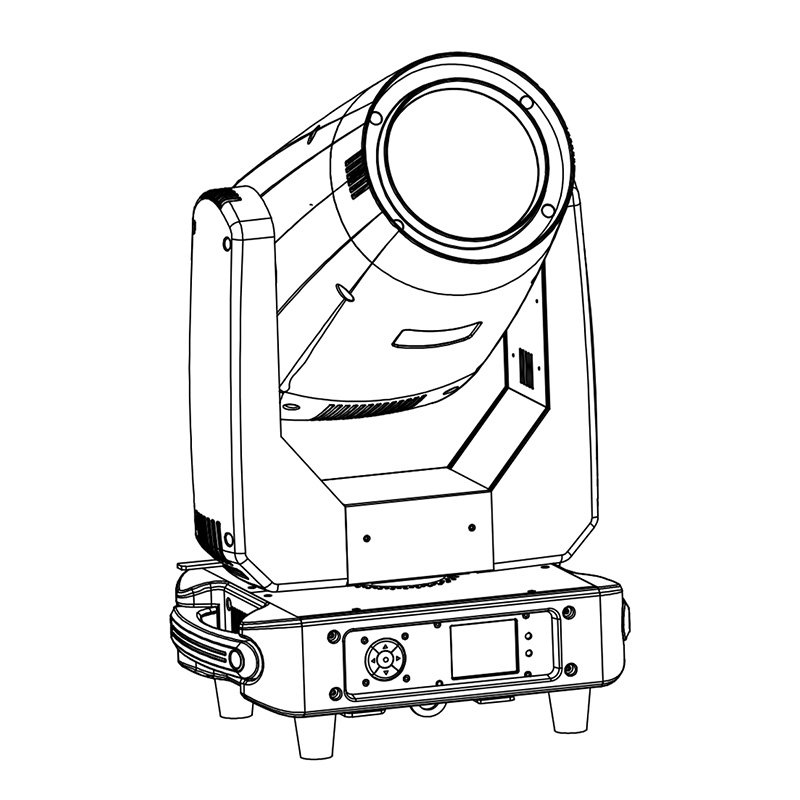
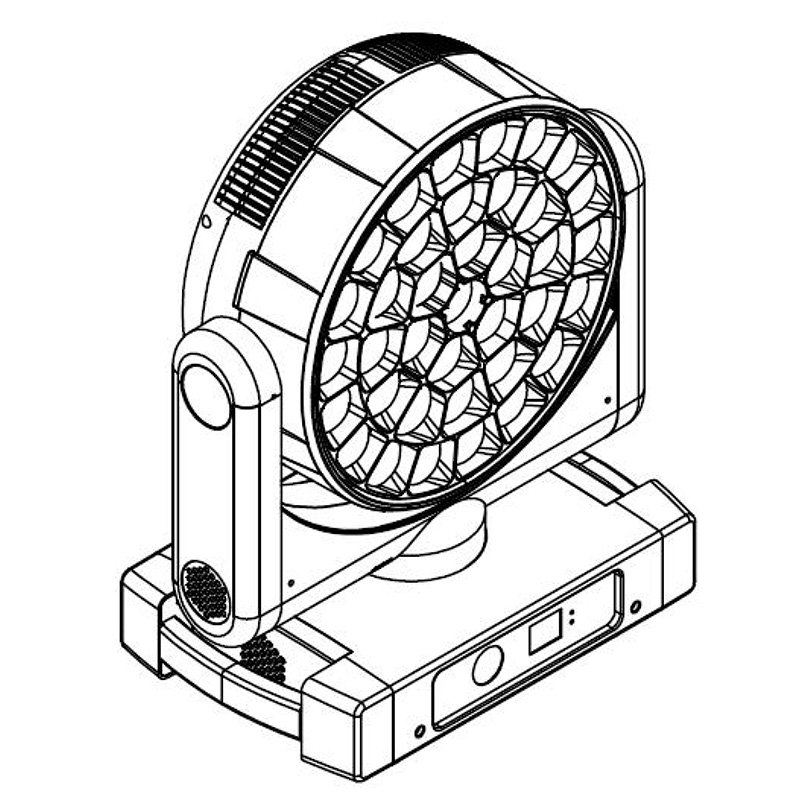
Now that you understand the power of lighting, you might wonder how specific fixtures contribute to this magic. Let\’s explore how specific fixtures contribute to that effect. We need to move beyond just knowing that lighting works, and understand how specific tools create specific effects. ## What Makes Beam Moving Heads So Crucial for Dynamic Shows? Are your light shows feeling static and predictable? Do audiences seem disengaged during key moments? Beam moving heads inject the energy and focus needed to captivate attendees. Beam moving heads are vital because their sharp, concentrated beams cut through haze, creating stunning aerial effects. Their speed and precise movement allow for dynamic highlighting of performers or features, adding excitement essential for concerts, clubs, and high-energy events.
Let\’s dive deeper into why these lights are such a game-changer. Beam moving heads aren\’t just about brightness; they\’re about control and impact. ### Precision and Movement The core strength lies in their ability to project a very narrow, intense beam of light over long distances. Think of it like a laser pointer, but much more powerful and versatile. This allows lighting designers to create sharp lines and patterns in the air, especially when used with atmospheric effects like haze or fog. They can pan (move horizontally) and tilt (move vertically) very quickly. This speed is perfect for matching fast-paced music or creating sudden dramatic shifts on stage. ### Creative Features Beyond movement, beam heads often include features that multiply their creative potential: Gobos: These are small stencils placed in the light path to project patterns (shapes, logos, textures). Color Wheels: Allow for quick changes between different vibrant colors. Prisms: Split the single beam into multiple beams, creating wider, more complex aerial effects. Focus: Allows the beam edge to be sharpened or softened. ### Beam vs. Wash vs. Spot It\’s helpful to understand how beams differ from other moving lights: | Feature | Beam Moving Head | Spot Moving Head | Wash Moving Head | | :————- | :———————– | :———————– | :———————- | | Beam Angle | Very Narrow (<5°) | Narrow to Medium (10-30°)| Wide (>25°) | | Primary Use| Aerial Effects, Highlighting | Pattern Projection, Focus | Broad Color Coverage | | Beam Edge | Hard, Sharp | Hard or Soft (Focusable) | Soft, Diffused | | Intensity | Very High Concentration | High | Medium to High Spread | For dynamic shows, the sharp intensity and rapid movement of beam heads are often indispensable. For product-reveal effects, evaluate beam definition, movement, and repeatability with the exact fixture before deployment. ## How Can LED Par Lights Create the Perfect Event Atmosphere? Struggling to wash your stage in rich, consistent color? Are traditional lights running hot and driving up energy costs? Modern LED Par lights provide vibrant hues and efficiency. LED Par lights excel at creating atmosphere through their wide color mixing capabilities (like RGBW or RGBAW+UV) and smooth dimming. They produce less heat and use less power, allowing flexible placement for uplighting, stage washing, and precise mood control.
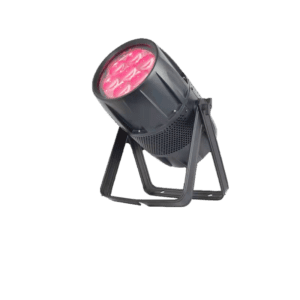
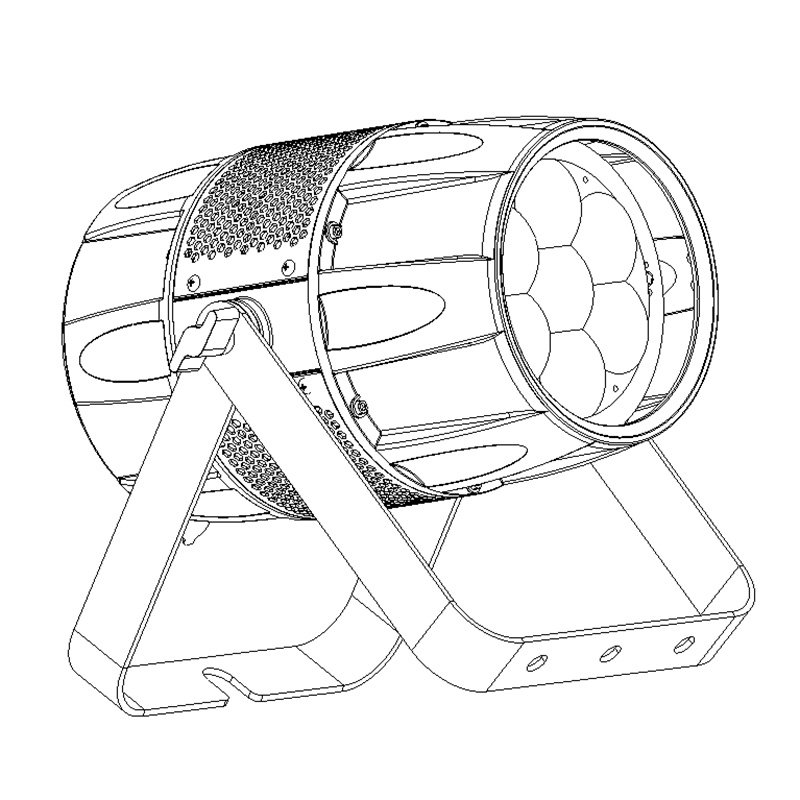
LED Pars are the workhorses of atmospheric lighting. Their versatility comes from leveraging Light Emitting Diode (LED) technology. Let\’s look at why they are so effective for setting the mood. ### The LED Advantage Compared to older halogen Par cans, LEDs offer significant benefits: Color Mixing: Instead of needing separate gels for each color, LED Pars mix colors directly using combinations of Red, Green, Blue, White, Amber, and even UV diodes. This allows for millions of potential shades. Energy Efficiency: LEDs use drastically less electricity than traditional bulbs, reducing power consumption and costs. Low Heat Output: They generate very little heat, making them safer for performers and allowing them to be placed in tight spaces or near fabrics. Long Lifespan: LEDs last thousands of hours, minimizing maintenance and replacement needs. ### Understanding Color Mixing Options The type of LEDs used affects the quality and range of colors: RGB: Red, Green, Blue. Can mix many colors but sometimes struggles with pure whites or subtle pastels. RGBW: Adds a White LED. Improves the quality of white light and allows for better pastel shades. RGBA/RGBAW: Adds an Amber LED. Creates warmer tones, richer yellows, and oranges, enhancing skin tones. RGBAW-UV: Adds Ultraviolet (UV). Creates the classic blacklight effect and can make fluorescent colors pop dramatically. ### Applications for Atmosphere Their wide, soft-edged beam makes LED Pars ideal for: Stage Washing: Covering the entire performance area in a base color. Uplighting: Placing lights at the base of walls, columns, or drapes to project color upwards, defining the space. Truss Warming: Adding color to the metal truss structures themselves. Architectural Lighting: Highlighting building features for outdoor events. When comparing LED Pars, test color consistency and dimming behavior across multiple units for the intended application. ## Why is Choosing the Right Lighting Supplier So Important? Worried about equipment failure ruining your crucial event? Frustrated by inconsistent quality or lack of support from vendors? Partnering with a reliable lighting supplier is absolutely essential. Choosing the right supplier is critical because it guarantees access to dependable, high-quality equipment. It also means getting expert advice, reliable support, and customization options, preventing technical issues and ensuring your event\’s visual elements are executed flawlessly.
Selecting a supplier isn\’t just about price; it\’s about trust and partnership. Your lighting is too critical to leave to chance. Let\’s break down what makes a supplier truly valuable. ### Quality and Reliability This is paramount. You need gear that works every time. Manufacturing Standards: Ask the supplier to explain how product quality and production requirements are managed. Testing Procedures: Ask about their testing. Ask the supplier to provide the test procedure and available test records for the exact model before shipment. Certifications: Ask which reports or declarations are available for the exact model and destination market, and review the documents before purchase. ### Expertise and Support Good equipment is only part of the equation. Technical Knowledge: Can the supplier offer advice on the best fixtures for your specific needs? Ask what technical and ODM (Original Design Manufacturing) support is available for the specific project. After-Sales Service: What happens if something goes wrong? A responsive support team can save your event. Understanding Your Business: Check whether the supplier can support the requirements of rental houses, installers, and distributors. ### Flexibility and Customization Your needs might be unique. OEM Services: Can the supplier put your logo on products or packaging? Confirm available branding options for the exact model. Low Minimum Order Quantity (MOQ): Sometimes you only need one or two specific lights. Confirm minimum order quantities and sample availability for the exact product and project. * Product Range: Does the supplier offer a wide variety of lights (moving heads, pars, strobes, effects) to meet diverse needs? When comparing suppliers, verify batch consistency, quality-control records, and support terms before placing an order. ## Conclusion Ultimately, stage lighting is the powerful language that speaks mood, focus, and excitement. Partnering with a reliable supplier for quality fixtures ensures your event\’s story is told brilliantly.