
 English
  Español
  Français
  Português
  Deutsch
  日本語
日本語  한국어
한국어  Türkçe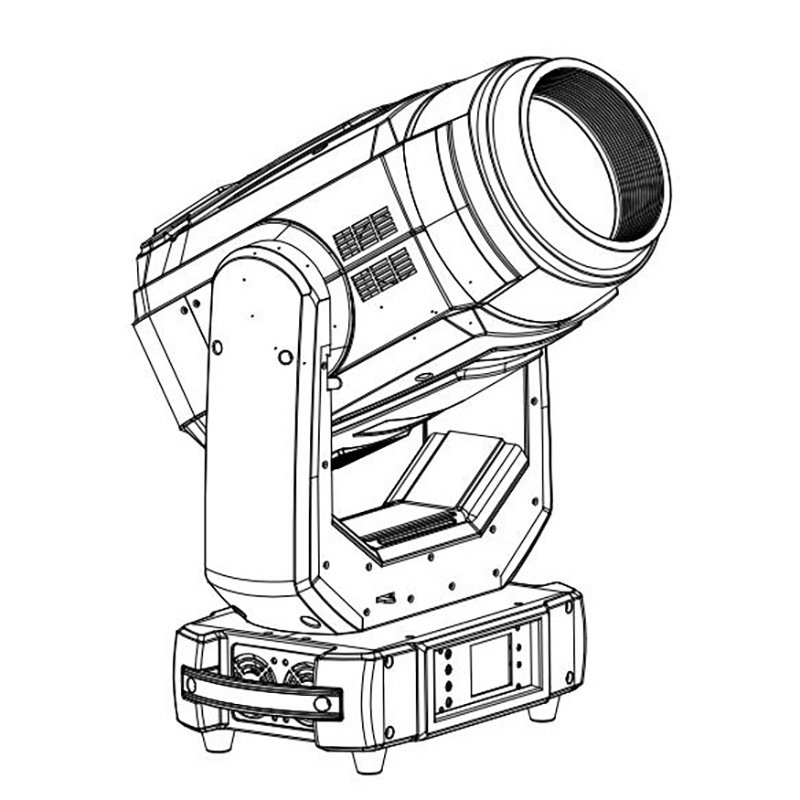
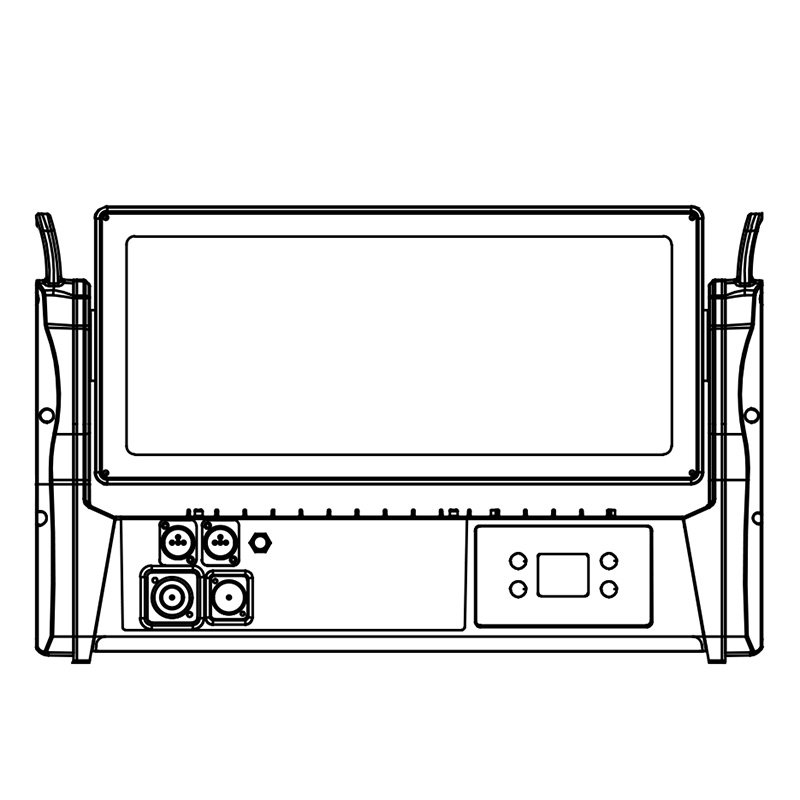
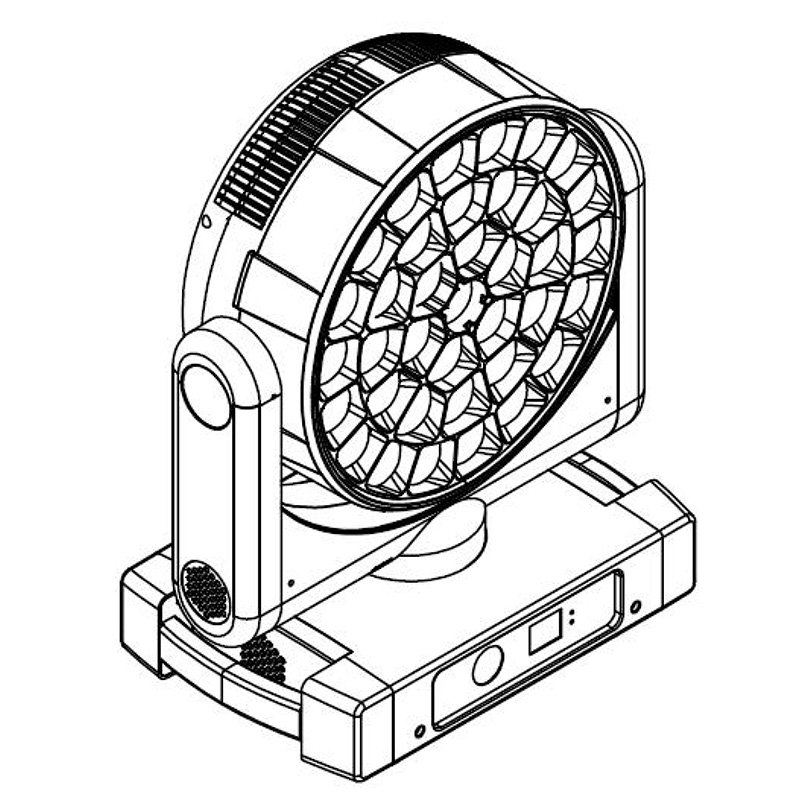
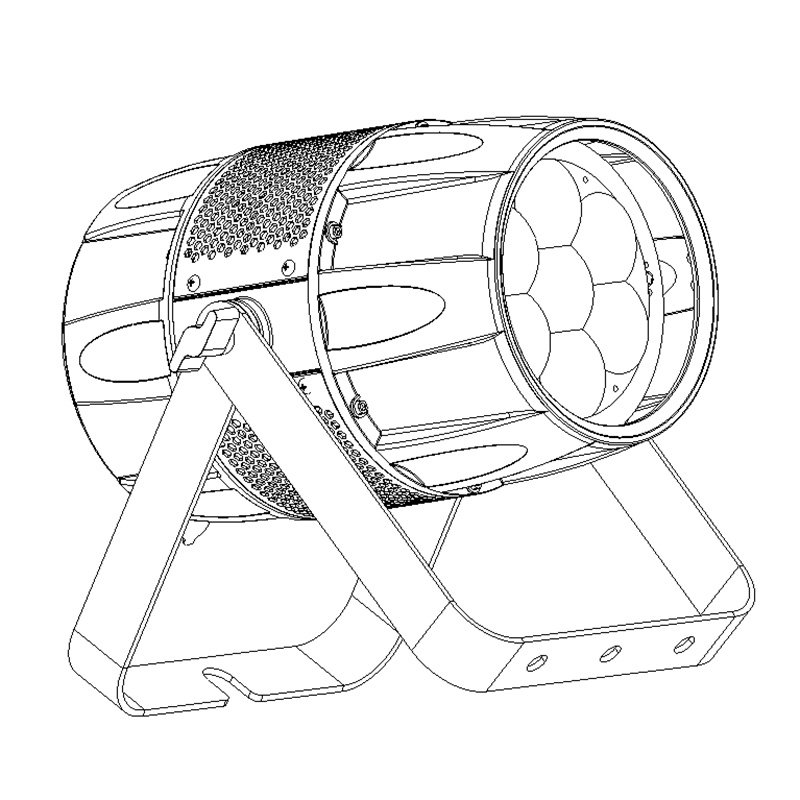
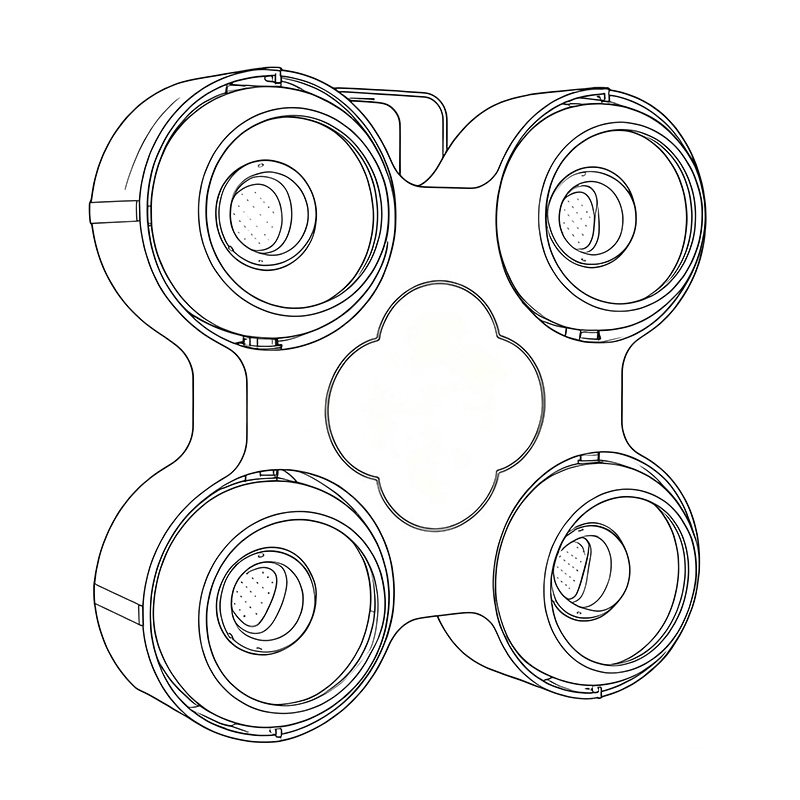
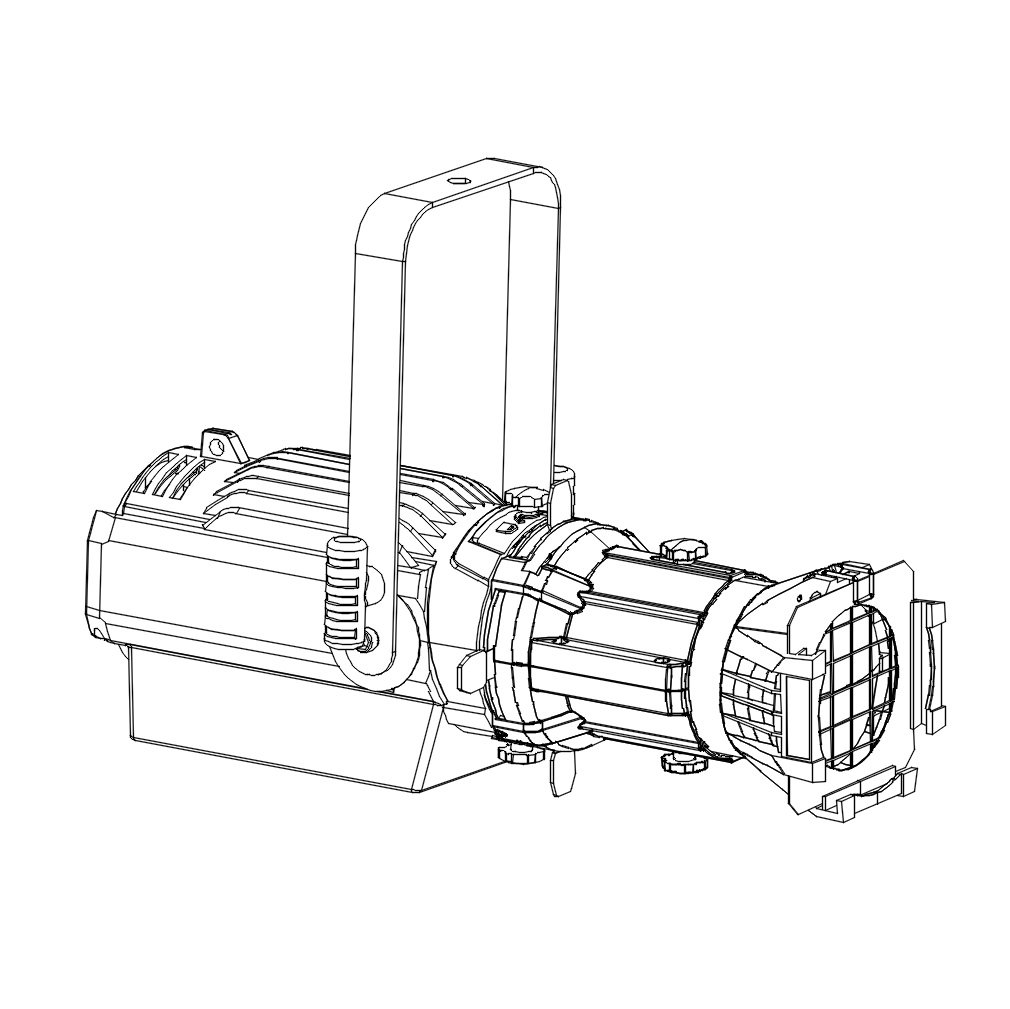
Quick answer: Importing stage lighting from China starts with a written specification, a supplier evaluation and a sample plan—not a price comparison alone. Define the application and exact models, review published specifications and manuals, agree on sample checks, document quality and packaging requirements, and confirm shipping and import responsibilities in writing. Commercial, customs and after-sales terms vary by supplier and destination, so verify them before placing a bulk order.
Stage-lighting import checklist
- Define the application, venue conditions, fixture types, control requirements and destination market.
- Match each quoted model to its current product page, manual, DMX chart and written specification.
- Agree on a representative sample and record the functions and physical checks required.
- Write the approved model, options, quality checkpoints, packaging and documents into the order record.
- Confirm shipping terms, importer responsibilities and destination-country requirements with qualified advisers.
- Keep model, revision and service records so later orders can be compared with the approved reference.
1. Define what you are buying
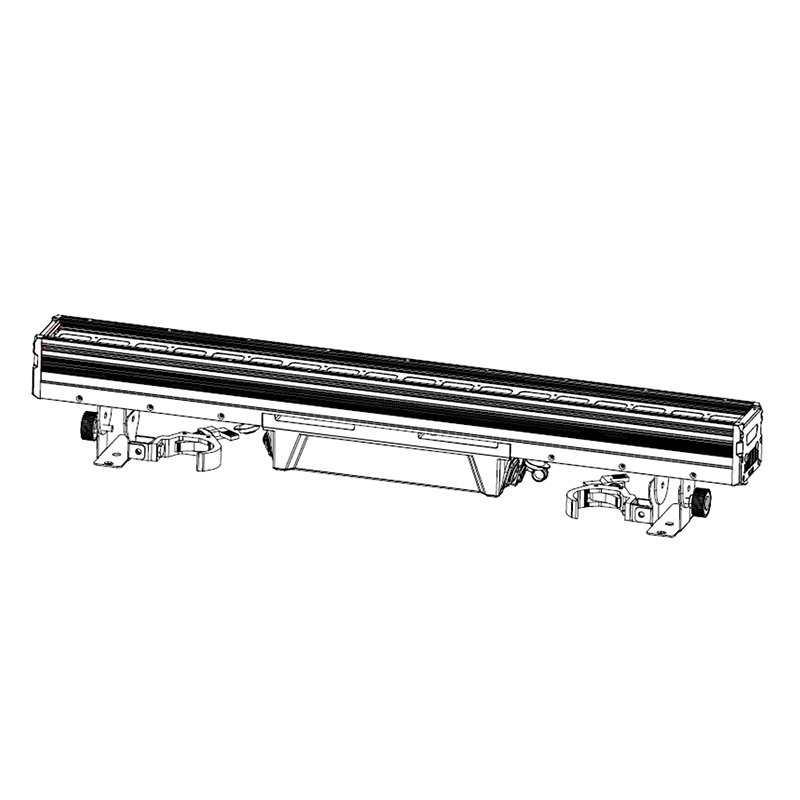
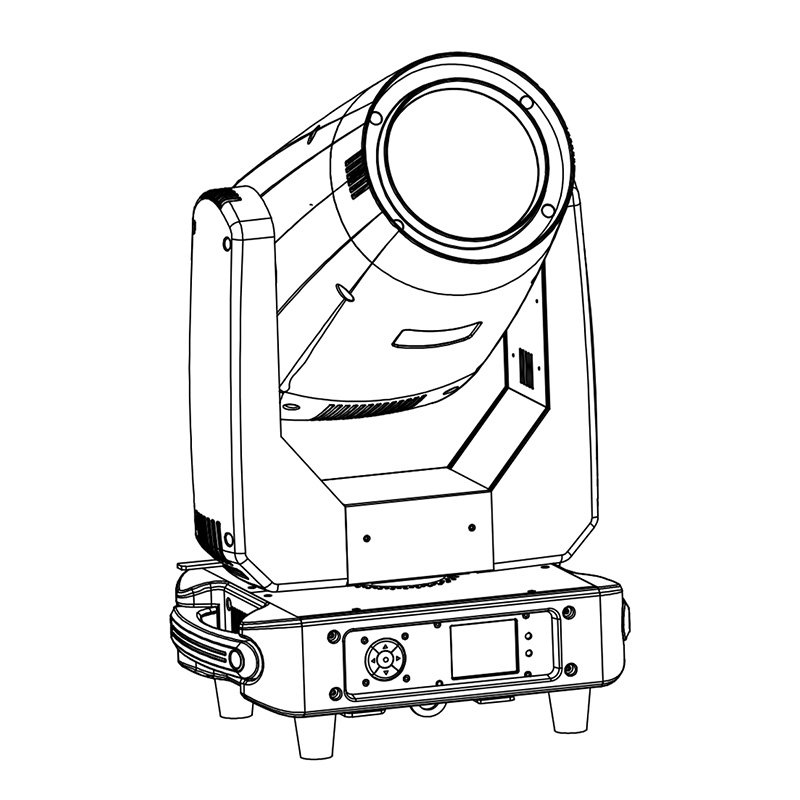
Start with the lighting job, not a generic product name. A distributor may need a focused range for a defined market; a rental company may prioritize repeatable setup and service access; a project buyer may need model-specific control and documentation. Record the intended venue, fixture type, optical effect, control method, mounting context, power environment, quantity and destination before requesting quotes.
Use the current stage-lighting product range to identify candidate models. If you are still deciding between fixture types, review the moving-head Wash vs Spot guide before writing the specification.
2. Compare suppliers with evidence
| Comparison area | Question to ask | Evidence to keep |
|---|---|---|
| Model identity | Does the quotation name the exact model and options? | Product page, specification and model reference |
| Functions and control | Do the required modes, channels and functions match the intended system? | Manual, DMX chart and written configuration |
| Sample review | Which optical, functional, mechanical and packaging checks will be performed? | Agreed checklist, results and approved changes |
| Quality plan | Which checkpoints and acceptance criteria apply to this order? | Written inspection plan and approved reference |
| Documents | Which documents apply to this model and destination? | Current model-level files and revision details |
| Commercial scope | Who is responsible for freight, insurance, import and local requirements? | Quotation, contract and adviser confirmation |
| After-sales traceability | How will units, revisions, parts and support requests be identified? | Model and service records |
3. Review a representative sample
A sample should represent the quoted model and options. Check the functions that matter to the intended application, including movement or dimming where relevant, control modes, connectors, menus, optical output, mechanical assembly, thermal behavior, noise where the venue is sensitive, accessories, packaging and documentation. Record the result rather than relying on a video or a verbal confirmation.
If a change is requested, identify the revised item and confirm it again before using the sample as the production reference. Sample availability and the appropriate test plan depend on the model and project.
4. Put the approved configuration in writing
The purchase record should identify the exact model, options, quantity, accessories, software or menu version where relevant, packaging, labels, documents, inspection points, acceptance criteria and agreed commercial terms. Do not assume that a catalogue image or an earlier order defines the current configuration.
5. Plan production and final checks
Agree which checks occur before production, during assembly and before shipment. The plan should be proportional to the order and may include model identification, visual inspection, functional checks, control verification, packaging review and document confirmation. Define who records results, how exceptions are handled and what must be approved before shipment.
6. Confirm shipping and import responsibilities
Clarify the shipping term, pickup and delivery points, packing list, commercial invoice, insurance responsibility, destination charges and importer of record. Product classification, taxes and market requirements vary by destination, so confirm them with a freight forwarder, customs broker or other qualified local adviser. Model-level documents should be reviewed for the destination rather than assumed across an entire product range.
7. Prepare a useful quotation request
Send the supplier a short, structured brief: application, destination, candidate models, required functions, control system, branding or packaging needs, document requirements, quantity, sample plan and target decision process. For private-label or product-development discussions, review Aolait’s OEM/ODM service.
This page focuses on cross-border sourcing and import responsibilities. Buyers building a repeatable resale range can use the separate wholesale stage-lighting checklist for distributors for distributor-specific range, RFQ and support planning.
Next step
Shortlist exact models, attach your written requirements and identify the checks that need confirmation. Then contact Aolait with a model-specific request so the available options and documents can be reviewed for your project.