
 English
  Español
  Français
  Português
  Deutsch
  日本語
日本語  한국어
한국어  Türkçe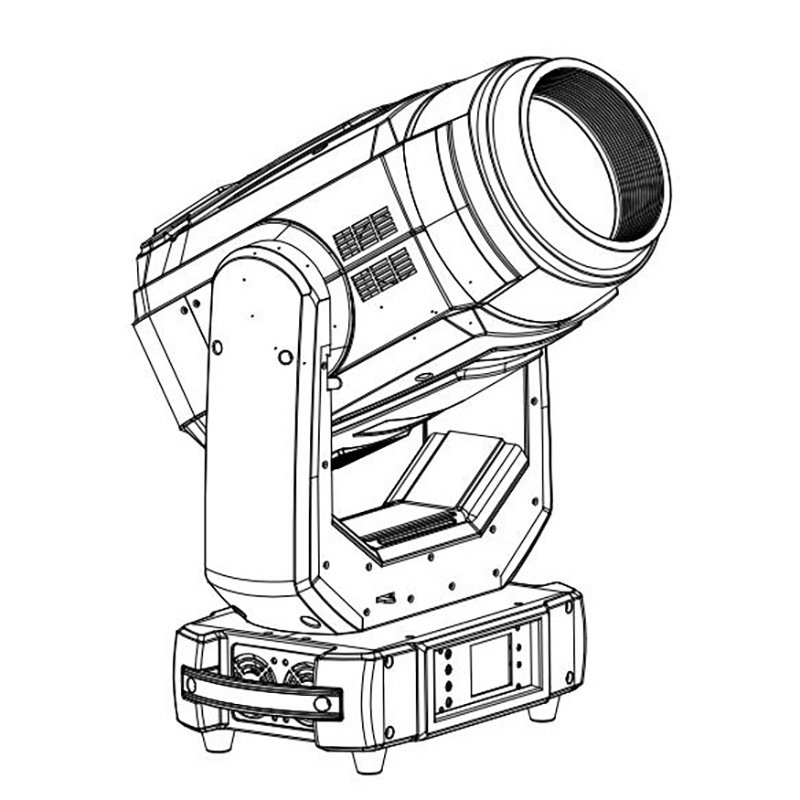
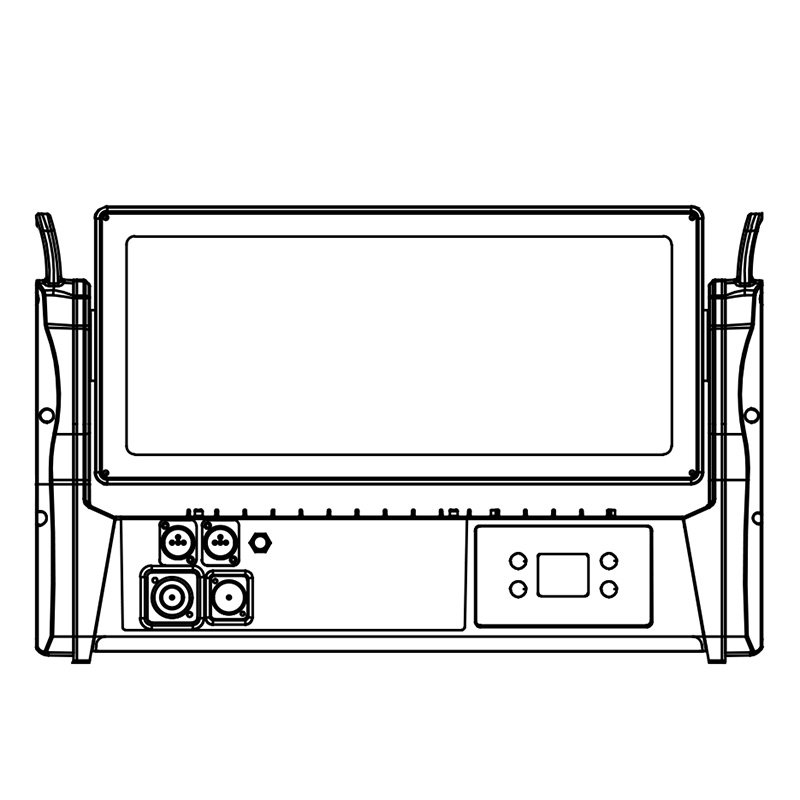
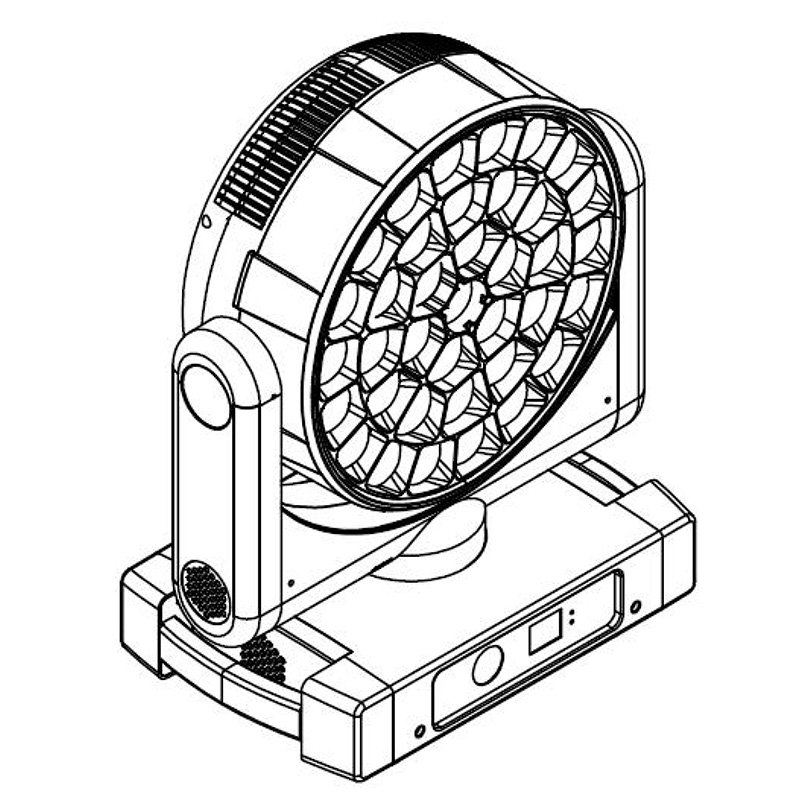
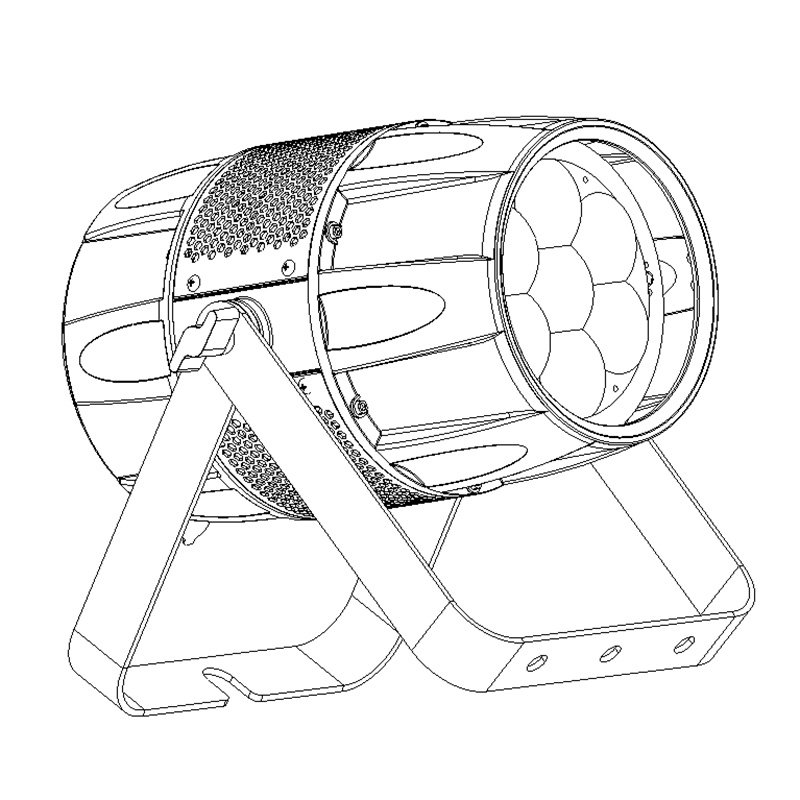
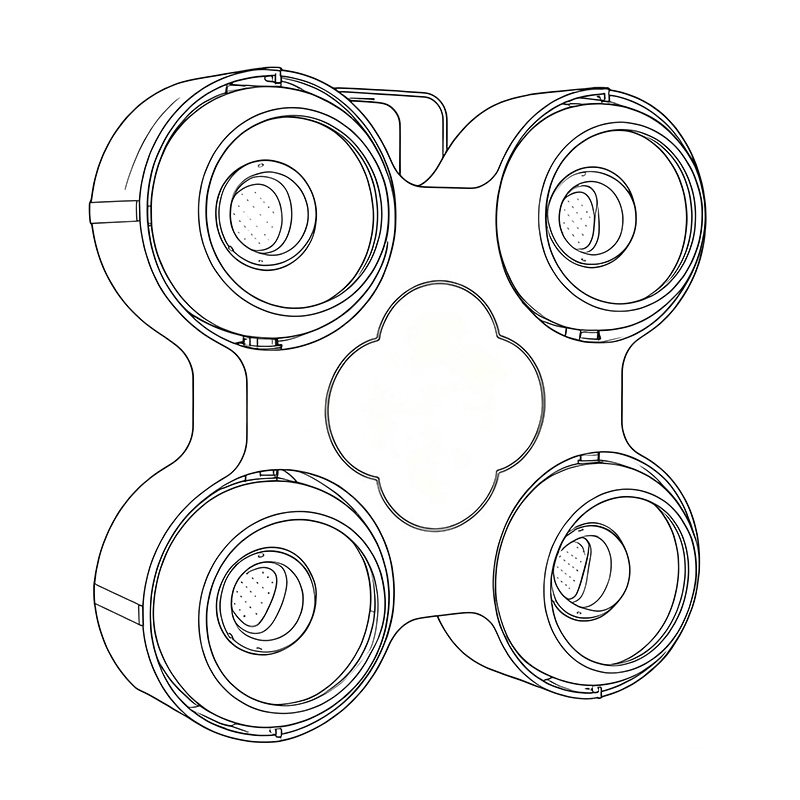
Choose waterproof beam moving head lights by defining the effect first, then matching the fixture to the nearest and farthest working distances, beam angle, ambient light and outdoor exposure. Compare photometric information only when the distance, optical setting, color and test conditions match. For a rental fleet or venue, test a sample from the intended viewing positions before confirming the model and quantity.
Define the Effect Before Asking About Distance
“How far does it throw?” can describe three different jobs:
- An aerial beam: the audience sees a shaft of light in the air.
- A spot on a surface: the fixture creates a defined circle or effect on scenery, a roof, a facade or the ground.
- Useful illumination: the target must reach a specified light level for performers, cameras or general lighting.
These jobs need different evidence. An aerial effect depends heavily on the atmosphere and viewing direction. A target spot depends on beam angle, focus and surface reflectance. Useful illumination requires photometric data and an agreed target level. A fixture that looks dramatic in the air is not automatically suitable for lighting a playing field or meeting a broadcast requirement.
Before requesting models, provide the nearest and farthest fixture-to-effect distances in metres, the audience or camera positions, the target surface if there is one, and a short description of the desired look. For an outdoor concert or stadium-scale entertainment show, also describe video walls, floodlights and other ambient-light sources. This is more useful than asking for one universal “range” number.
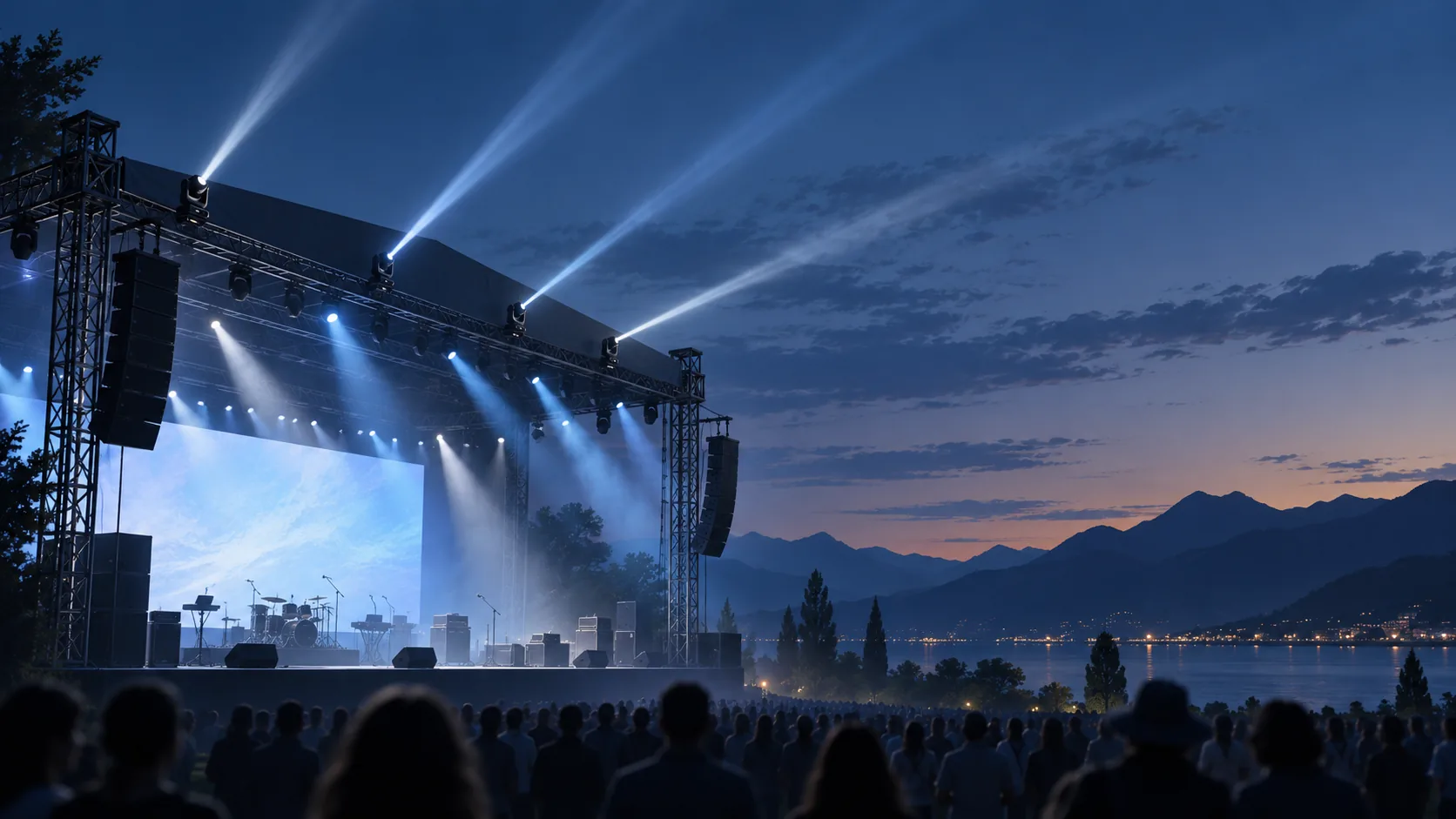
How Beam Angle Changes Beam Width
Beam angle controls how quickly the projected cone widens. For a simplified geometric estimate:
D ≈ 2L × tan(θ/2)
Here, D is beam diameter, L is distance and θ is the full included beam angle. If the full angle is 2° and the distance is 60 m, the estimated diameter is:
D ≈ 2 × 60 m × tan(1°) ≈ 2.1 m
At 30 m, the same geometry gives about 1.05 m. This calculation helps a designer estimate scale, but it does not predict illuminance, aerial visibility or the real edge and intensity distribution of a fixture. Published beam angles may also use different measurement conventions, so confirm how the manufacturer defines the value.
A narrower setting can keep the beam visually compact, while a wider setting covers a larger area. It does not follow that every fixture with the same angle will deliver the same center intensity. Lens efficiency, focus, source characteristics and optical losses all affect the result. Request output data at your intended distance and beam setting.
What Makes an Outdoor Beam Visible?
An aerial beam becomes visible when light is scattered toward the viewer by particles in the air. Haze can create a controlled, even medium indoors, but outdoor air changes with wind, humidity, dust and venue restrictions. Do not plan a show around a guaranteed visible shaft in clean air.
Ambient light sets the visual competition. Daylight, venue floodlights, LED screens and bright scenic lighting can reduce contrast. A beam that reads clearly after dark may become difficult to see during sunset or beside a high-brightness screen. Evaluate the most demanding show condition, not only a dark demonstration.
Viewing direction matters too. An audience looking across a beam may see a different effect from a camera looking close to the beam axis. Map the main audience and camera positions during the test.
Color and effects change perception. Open white is often the useful reference for comparing output, while saturated colors can appear less intense depending on the source and color system. A prism divides or reshapes the output, creating a larger pattern but not extra light. Gobos, frost and other effects also redistribute or reduce output. Compare the settings you will actually program.
If haze or another atmospheric effect is proposed, confirm venue rules, fire-alarm procedures, ventilation, weather and local requirements. Do not release smoke or haze outdoors without project approval.
Compare Photometric Data Under Matching Conditions
Ask suppliers to return the same fields for every candidate. A useful comparison records the complete test state, not only the largest lux number.
| Comparison field | What to record | Why it matters |
|---|---|---|
| Working distance | Measurement distance in metres; include the planned nearest and farthest positions | Illuminance and apparent scale change with distance |
| Beam or zoom setting | Full beam angle or named optical mode, plus focus position where relevant | A narrow setting cannot be compared directly with a wider one |
| Color or effect setting | Open white, selected color, gobo, prism, frost and dimmer level | Effects can split, filter or redistribute the output |
| Measurement item | Center illuminance in lux, beam/field diameter, uniformity or another defined metric | Each metric answers a different question |
| Measurement conditions | Instrument, test surface, ambient light, power mode, distance method and test setup | Results from different methods may not be comparable |
Center illuminance describes one measured point. Coverage describes the area reached under a stated definition. Aerial beam appearance is a visual result affected by the atmosphere and viewing position. None of these can replace the others.
Avoid ranking products with lux figures measured at different distances, angles or colors. Do not infer the longest usable distance from source wattage, total lumens or one effect photograph. For an important project, request matching data and a sample demonstration at a representative throw. Keep camera exposure fixed when comparing photographs or video.
Dedicated Beam or a Hybrid with Beam Mode?
A dedicated beam fixture is the direct choice when the cue list is dominated by narrow aerial shafts, fast sweeps, prisms and compact projected effects. A hybrid can be useful when the same rig must also create spot, gobo or wash looks and the beam mode meets the required angle and output at the planned distance.
Neither category is automatically brighter, longer-throwing or better value. A hybrid may reduce the number of fixture types in a rental package, while a dedicated beam may provide the particular optical character the show needs. Compare the actual mode, not the label.
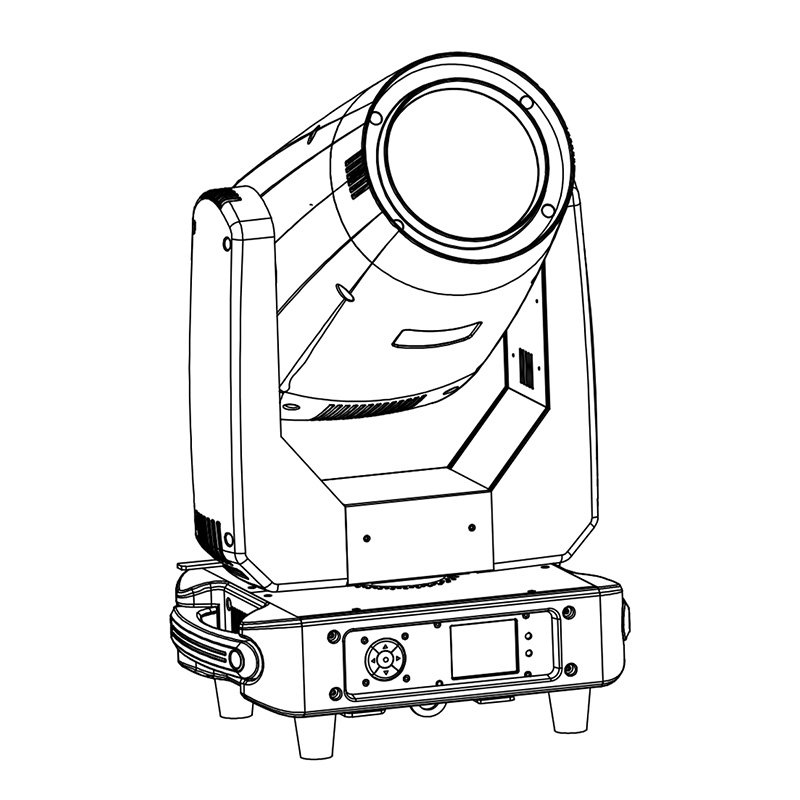
For projects that combine beam, spot and wash effects, consider the AOLAIT ALP600BSW IP66 LED Beam Spot Wash moving head. Compare its beam setting and output with your working distance and cue requirements. Explore AOLAIT’s Beam Spot Wash Hybrid range when several effect types need to share one rig.
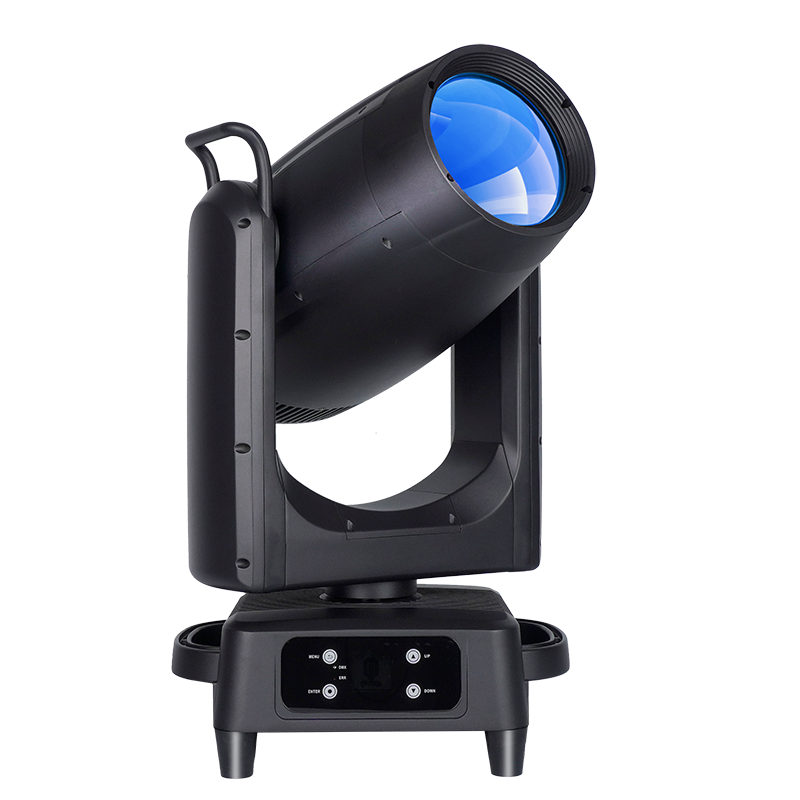
ALP600BSW IP66 LED Beam Spot Wash moving head.
Check the Outdoor Installation Requirements
Confirm the protection rating and installation instructions for the exact model and revision. Check the approved mounting orientation, power and data connectors, attached caps, cable routing, drainage, operating-temperature range, clearances and service procedure. The complete connection system must suit the exposure; a rated housing cannot protect an open or mismatched connector.
For temporary shows, define expected rain, dust, setup time, overnight storage and inspection between events. For long-term installations, add UV exposure, corrosion, salt or chemical atmosphere, condensation, drainage, wind, access and planned maintenance. An IP rating does not automatically approve every permanent outdoor location.
The AOLAIT IP65 moving-head buyer guide explains enclosure protection, documentation and sample checks in more detail. Follow the manual for the selected fixture and use qualified personnel for rigging and electrical work.
What to Include in Your Project Enquiry
You do not need a professional photometric report before contacting a supplier. Describe the scene in practical terms and provide known dimensions. The supplier can then identify the missing measurements and propose a comparable test.
| Project detail | Information to send |
|---|---|
| Use | Concert, festival, touring rental, stadium entertainment, venue, facade effect or another application |
| Quantity | Required quantity or expected project range |
| Working distance | Nearest and farthest fixture-to-effect distance in metres |
| Desired effect | Aerial shaft, target spot, prism look, gobo effect or useful illumination |
| Ambient light | Darkness, sunset, floodlights, LED screens or other competing sources |
| Viewing position | Main audience areas and camera locations |
| Air or haze conditions | Whether haze is permitted; expected wind, dust, humidity or clean-air conditions |
| Installation position | Truss, roof, tower, ground position or permanent structure; include height where known |
| Duration | Temporary event, touring use, seasonal installation or long-term installation |
| Control system | Console, DMX mode, RDM or networking requirements |
| Delivery country | Destination, voltage and any required project documentation |
Use these details to prepare your enquiry and compare proposed configurations.
Frequently Asked Questions
How far can a waterproof beam moving head project?
There is no single distance that applies to every fixture or effect. Define whether you need an aerial beam, a target spot or a measured light level, then compare data at the planned beam angle and distance under representative ambient and atmospheric conditions.
Does higher wattage always mean a longer visible beam?
No. Wattage describes power or source rating, not the complete optical result. Beam angle, lens efficiency, focus, color and effect settings, atmospheric conditions and viewing direction all influence what the audience sees.
Can an outdoor beam be visible without haze?
Yes, if airborne dust or mist droplets scatter enough light toward the viewer. Visibility still depends on ambient light, viewing direction and atmospheric conditions. In very clear air, the beam path may be faint even when the projected spot is bright. Test from the intended audience and camera positions.
Can an IP65 moving head stay outdoors permanently?
Not automatically. Permanent exposure adds UV, corrosion, condensation, temperature, drainage and maintenance requirements. Confirm that the exact model, connectors, mounting method and service plan are approved for the site.
Find the Right Beam for Your Outdoor Project
Tell us your working distance, desired beam effects, quantity and installation conditions. Share a venue photo or layout if available, and contact AOLAIT to discuss suitable fixtures, configuration options and quotation details.