
 English
  Español
  Français
  Português
  Deutsch
  日本語
日本語  한국어
한국어  Türkçe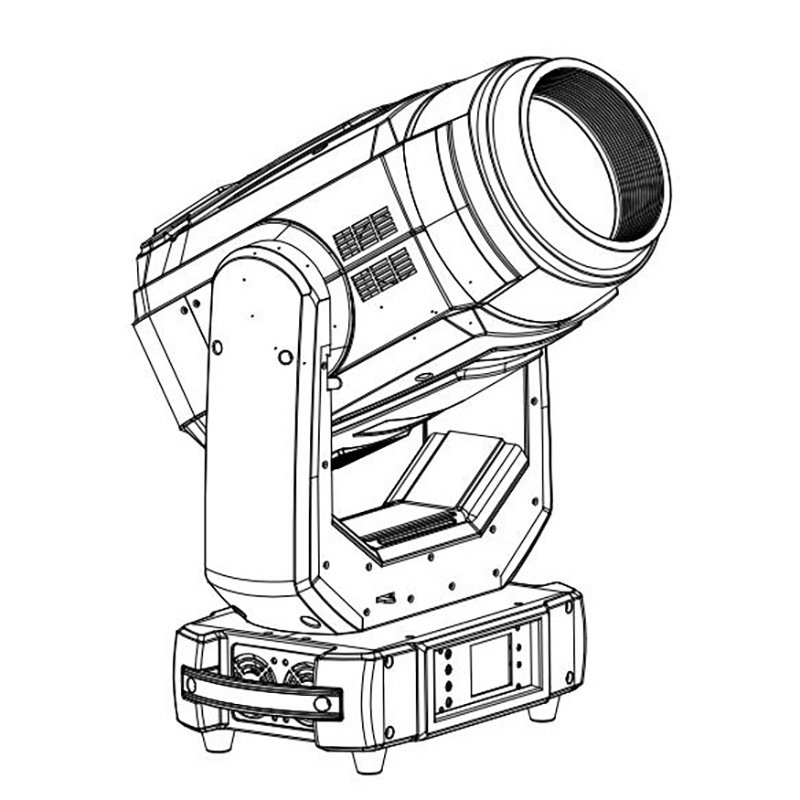
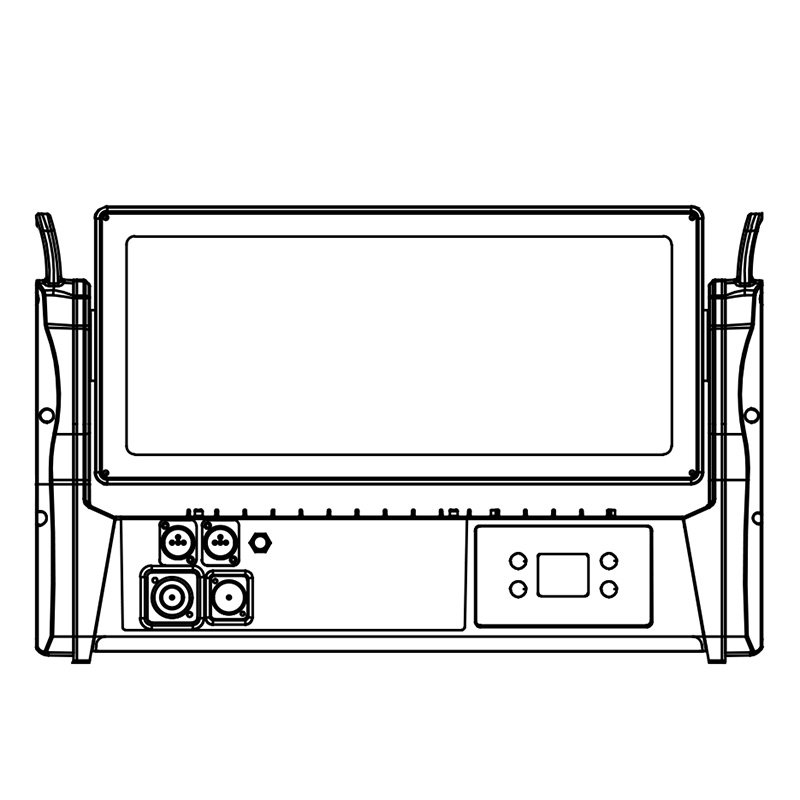
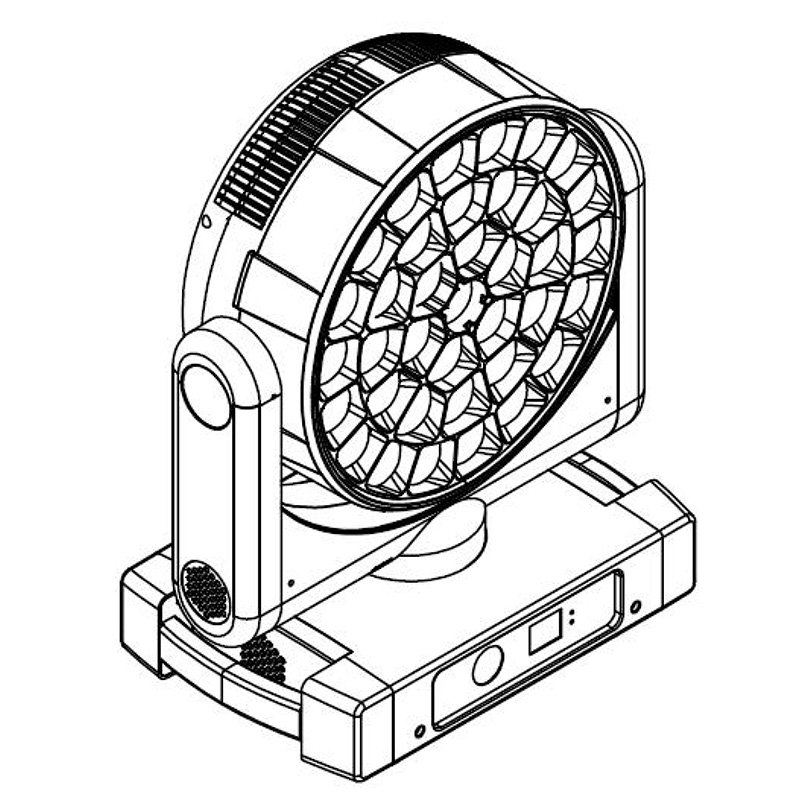
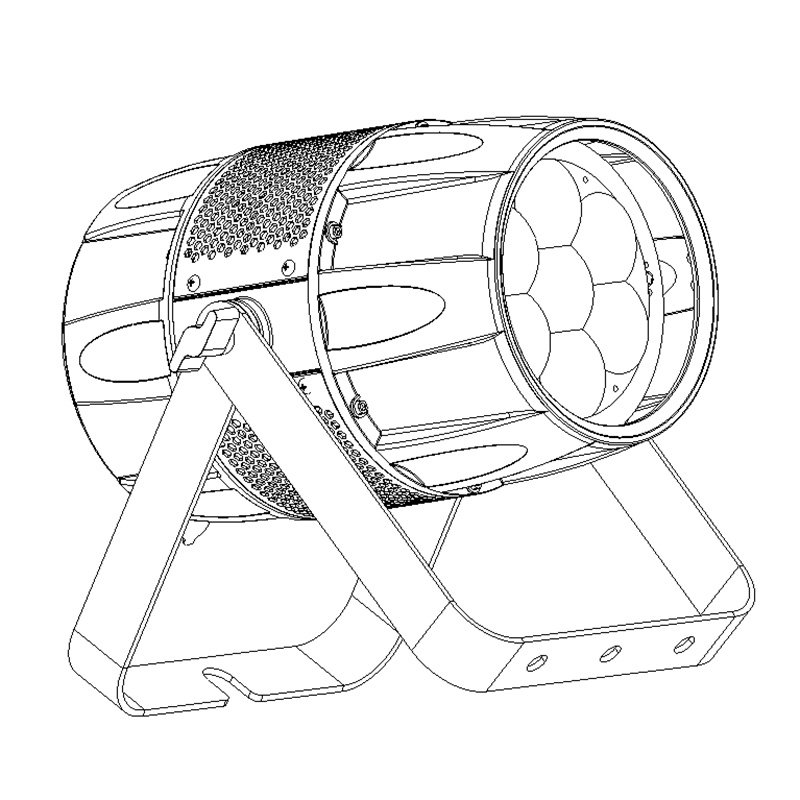
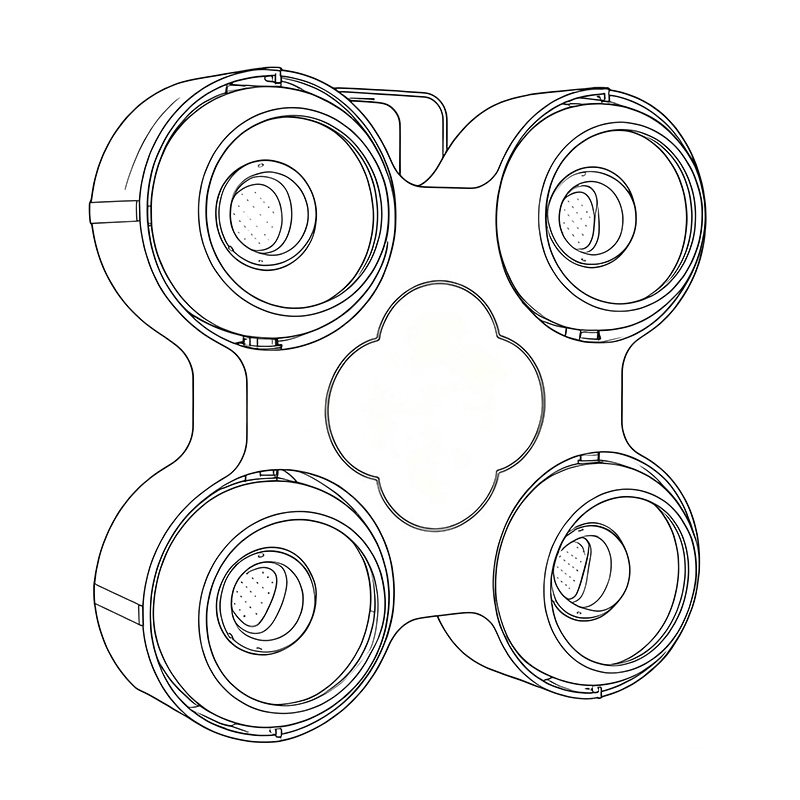
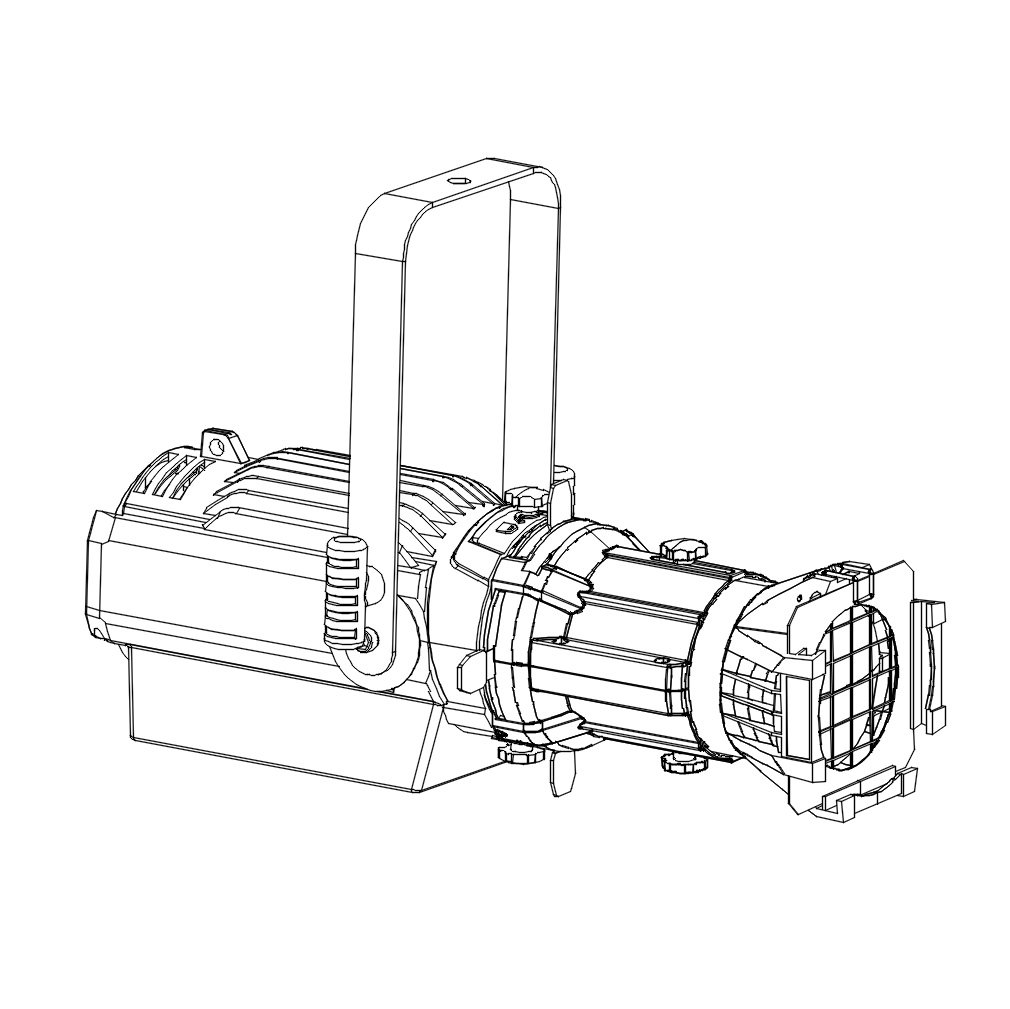
Quick answer: A DJ moving head is not one product type. The right choice depends on the event size, whether you need broad coverage or clear patterns, how the fixtures will be transported and mounted, the control method, acceptable noise, and whether the venue requires weather protection. Define the application first, then compare model-level evidence such as optics, photometrics, channel modes, weight, mounting details, noise controls, and IP documentation.
What Is a DJ Moving Head Light?
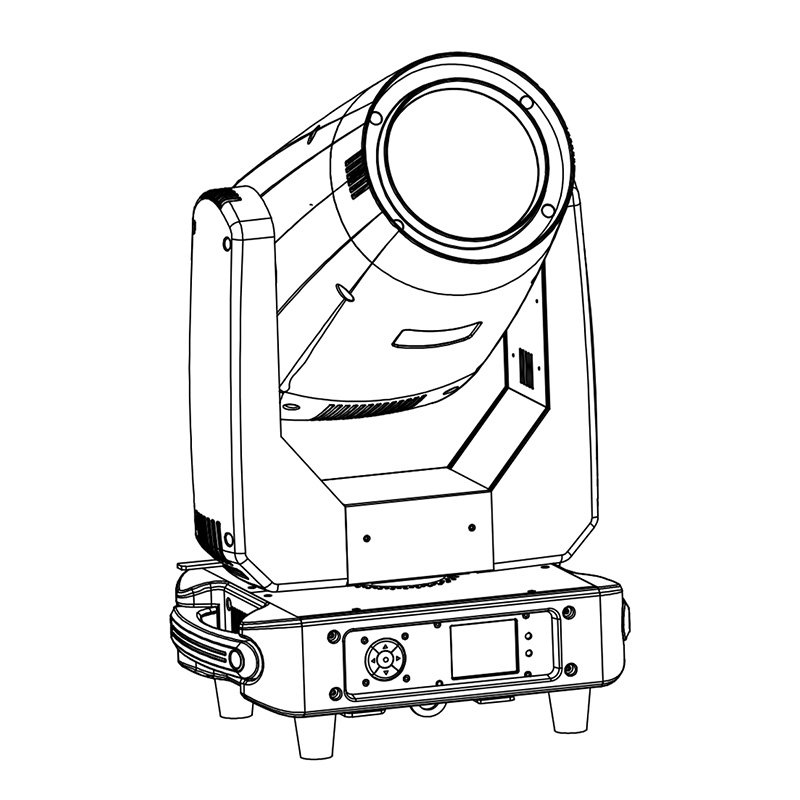
A DJ moving head light is a motorized stage-lighting fixture used in a DJ or small-event system. Depending on the design, it can provide a wash, a focused spot, a narrow beam, or more than one function. For a mobile DJ, the useful question is whether it creates the required look, fits the venue and controller, and can be transported and installed within the setup schedule.
This guide focuses on selection, transport, setup, and control for mobile events. It does not replace a fixture-structure primer, a general definition of moving lights, or a product ranking.
Start With the Event, Not the Wattage
Write down the job before comparing fixtures: event type, room or stage shape, mounting positions, ambient light, desired looks, control system, setup time, transport limits, noise sensitivity, and indoor or outdoor conditions. A wedding may need restrained formal cues and faster reception looks. A club may value repeatable programming. A small live show may need performer coverage and defined effects.
Wattage alone cannot determine brightness, effect quality, coverage, or suitability. Two fixtures with similar source wattage can produce different results because of optical efficiency, beam angle, zoom range, color system, thermal design, and measurement conditions. Compare model-specific photometric data at stated distances and angles, then evaluate the optical tools and operating modes needed for the event.
Wash, Spot, Beam, or Hybrid: Which Type Fits?
| Type | Primary visual role | Useful DJ applications | Verify on the exact model |
|---|---|---|---|
| Wash | Broad, soft-edged color coverage | Dance-floor color, room ambience, performer or backdrop coverage | Beam or zoom range, color mixing, field uniformity, dimming, fan behavior |
| Spot | Defined projection with focus and patterns | Gobo textures, feature moments, controlled shapes, targeted looks | Focus, gobo system, zoom or iris if offered, edge quality, photometrics |
| Beam | Narrow aerial effect, usually most visible with suitable atmosphere | High-energy mid-air looks in venues that permit haze | Beam angle, color and prism tools, minimum throw, safety and venue rules |
| Hybrid | Multiple optical roles in one housing | Rigs that need several looks but have limited fixture positions | How each mode changes optics and output, transition method, size, weight, control footprint |
No type fits every DJ event. Use the separate moving-head Wash vs Spot comparison when the decision has narrowed to coverage versus defined projection. Browse the current LED Wash moving heads or LED Spot moving heads only after choosing the required role.
Coverage, Beam Angle, and Venue Size
Coverage depends on beam angle, throw distance, mounting height, aiming limits, and the surface. A wide field can cover more area but may be less suitable for a crisp pattern. A narrow beam can read clearly in the air yet provide little general coverage. Ask for photometric information that states the distance, angle or zoom position, and test condition. A single unqualified brightness number is not enough.
Sketch the venue and mark the DJ position, audience area, stage or dance floor, ceiling restrictions, and permitted mounting points. Then check whether candidate fixtures can reach the useful area without creating unwanted glare or blocked movement.
Control Options for Mobile DJs
Automatic and sound-activated programs can reduce programming time, but their movement and synchronization are model-dependent. Master/slave operation may coordinate compatible units, while DMX gives deliberate control over position, color, dimming, patterns, and effects. Software or wireless control can simplify routing, but compatibility and recovery behavior must be confirmed.
Before buying, verify the available channel modes, connector type, addressing workflow, master/slave limitations, blackout behavior, and what happens after power or signal loss. Make sure the controller has enough capacity for the chosen mode and that the operator can prepare usable scenes before the event.
Setup Time, Weight, Clamps, and Transport
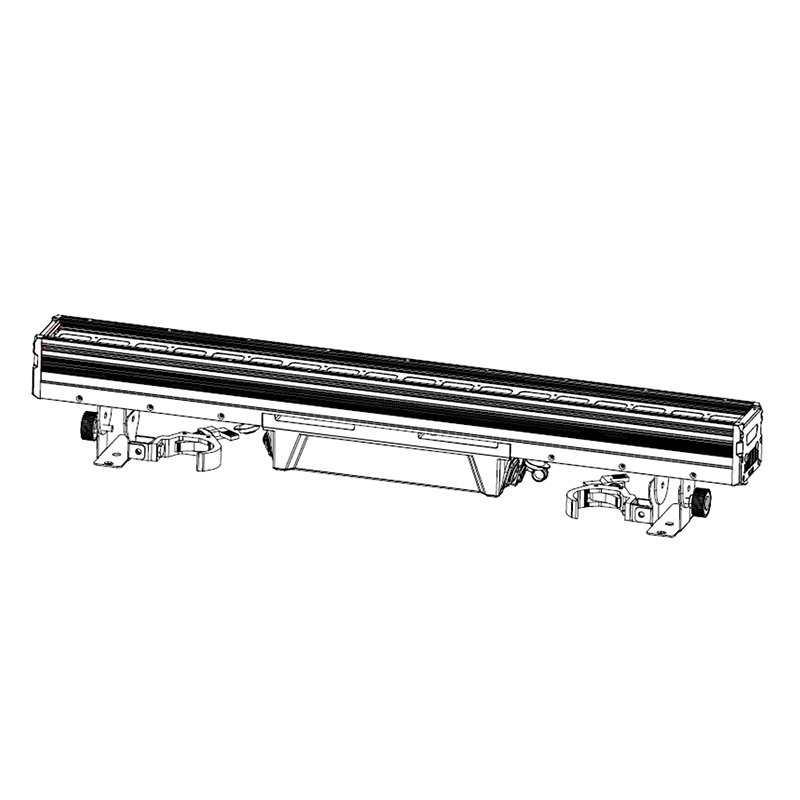
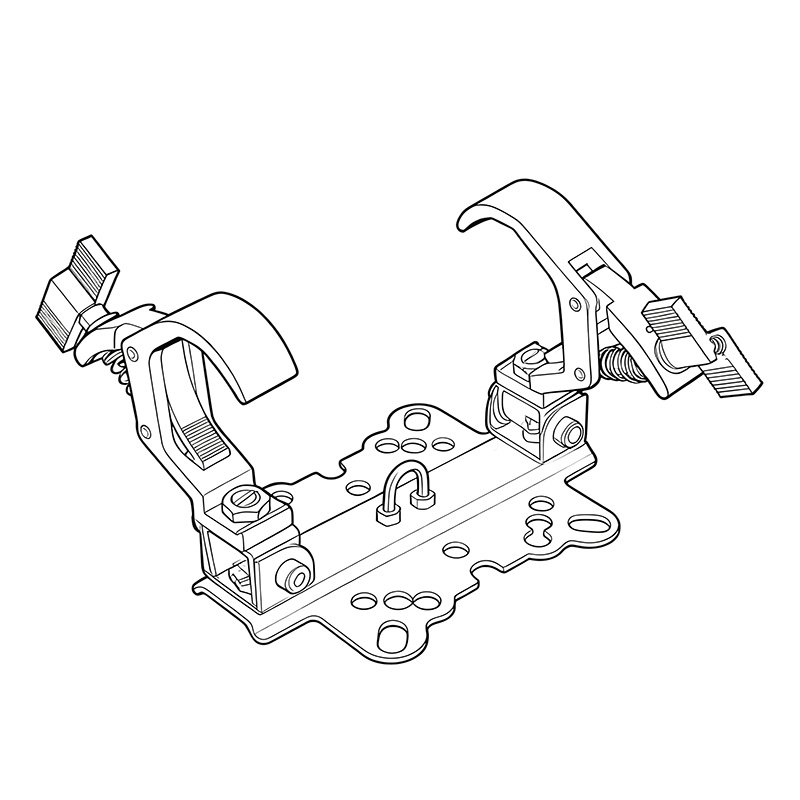
A fixture that performs well but slows every load-in may be a poor mobile choice. Record the unit dimensions and weight, case size, lifting method, mounting orientation, clamp interface, safety attachment point, cable access, and the clear space needed for pan and tilt. Confirm that stands or truss, clamps, safety cables, and load limits are appropriate for the exact fixture and installation.
Protect the head and base during transport with a suitable case or fitted packaging. Plan cable labeling, address notes, fixture order, and a short function check so faults are found before guests enter. Follow the fixture manual and venue rules for rigging and overhead use.
Noise and Thermal Control
Fan and motor noise can matter during ceremonies, speeches, acoustic sets, livestreams, or venues with quiet ambient levels. Do not assume that an LED fixture is silent. Ask whether the exact model provides fan modes, what functions or output may change in a quieter mode, and under which test conditions noise information was recorded. If noise is critical, assess a representative unit in a comparable room.
Thermal management also affects stable operation. Keep specified ventilation clearances, inspect air paths during maintenance, and follow the manual rather than changing fan settings or enclosures without model-level guidance.
Indoor, Outdoor, and IP-Rated Use
An indoor event does not require the same protection evidence as an exposed outdoor setup. For outdoor use, confirm the exact model’s IP rating and the scope of the supporting documentation, including connectors and required caps or accessories. Do not treat a broad product-family statement, temporary cover, or an unverified supplier claim as model evidence.
Weather exposure is only one part of the plan. Power distribution, mounting, wind, condensation, cable routing, and local venue requirements also need qualified review. If the environment is uncertain, state the expected exposure in the quotation request and ask for the applicable manual and documents.
DJ Moving Head Selection Matrix
| Scenario | Likely priority | Possible category direction | Questions to settle first |
|---|---|---|---|
| Mobile DJ | Fast load-in, manageable cases, flexible control | Compact Wash, Spot, or carefully justified Hybrid | Vehicle space, stand or truss limits, setup time, controller, cable plan |
| Wedding | Smooth coverage, restrained cues, low noise during formal moments | Wash for ambience; Spot when defined patterns are required | Ceremony versus reception needs, noise sensitivity, venue mounting rules |
| Club | Repeatable programmed looks, optical contrast, service access | Mixed Wash, Spot, or Beam roles based on room design | Permanent positions, haze policy, DMX layout, maintenance access |
| Small live show | Performer visibility plus selected effects | Wash for coverage with Spot or Beam used for a defined secondary role | Stage depth, sightlines, front-light needs, cue operation, changeover time |
The matrix is a starting point, not a fixture count or model recommendation. Use the full stage-lighting product range to build a shortlist only after the event requirements are documented.
Model-Level Checklist Before You Buy
- Match the quotation, product page, manual, DMX chart, and model or revision name.
- Confirm whether the fixture is Wash, Spot, Beam, or Hybrid and what each mode actually provides.
- Review beam angle, zoom or focus range, and model-specific photometric data with test conditions.
- Check channel modes, connectors, addressing, dimming, movement, blackout, and signal-loss behavior.
- Record dimensions, unit and case weight, mounting orientation, clamp points, and safety attachment.
- Verify input power, power connections, cable requirements, and any linking limits in the manual.
- Ask about fan modes and model-level noise evidence when the venue is noise-sensitive.
- For outdoor work, confirm the exact IP evidence, required caps, connectors, and operating instructions.
- Confirm included and optional accessories, transport protection, spare-part identification, and service documents.
- Resolve any conflict between the page, manual, and quotation in writing before ordering.
Frequently Asked Questions
How many moving heads does a mobile DJ need?
There is no reliable universal number. The answer depends on the room, mounting positions, required looks, ambient light, coverage, and budget. Plan the visual roles first, then evaluate a proposed layout without inventing a fixture count from venue capacity alone.
Are Spot or Wash moving heads better for weddings?
A Wash is useful when broad color coverage is the main job. A Spot is useful when focused projection or patterns are required. Many wedding setups also have different ceremony and reception needs, so control, noise, and setup time may be as important as fixture type.
Can moving heads run without a DMX controller?
Some models provide automatic, sound-activated, or master/slave modes. These can be practical for simple operation, but the available programs and synchronization differ by model. DMX is preferable when specific cues and repeatable positions are required.
Do higher-wattage DJ moving heads always look brighter?
No. Source wattage does not account for optical efficiency, angle, zoom position, color, thermal behavior, or test method. Compare photometric evidence and the required effect for the exact model.
Can an indoor moving head be used outside under a cover?
A cover does not convert an indoor fixture into an IP-rated model. Use equipment and installation methods approved for the expected exposure, and verify the exact model documentation and venue requirements.
Conclusion
Choose DJ moving head lights by defining the event, visual role, coverage, control, transport, setup, noise, and environmental requirements. Then compare exact models using consistent pages, manuals, DMX charts, photometric evidence, and written configuration details rather than wattage or broad category claims.