
 English
  Español
  Français
  Português
  Deutsch
  日本語
日本語  한국어
한국어  Türkçe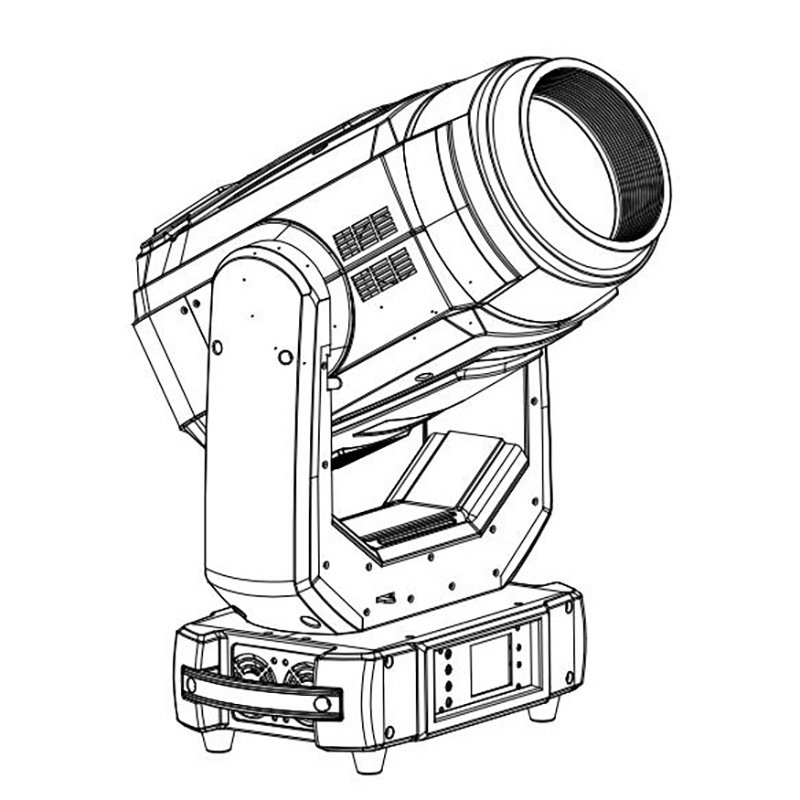
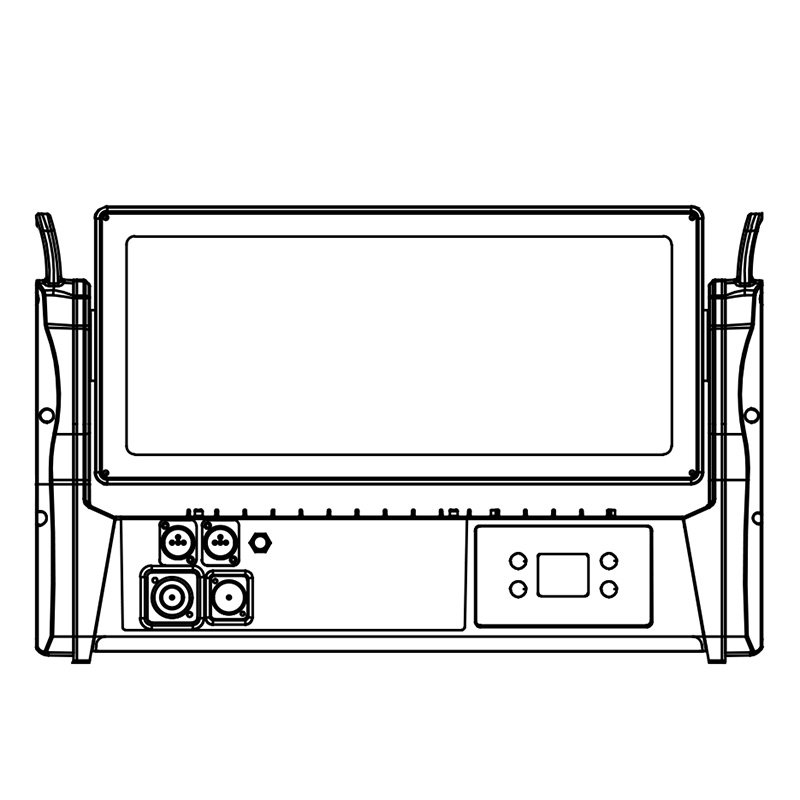
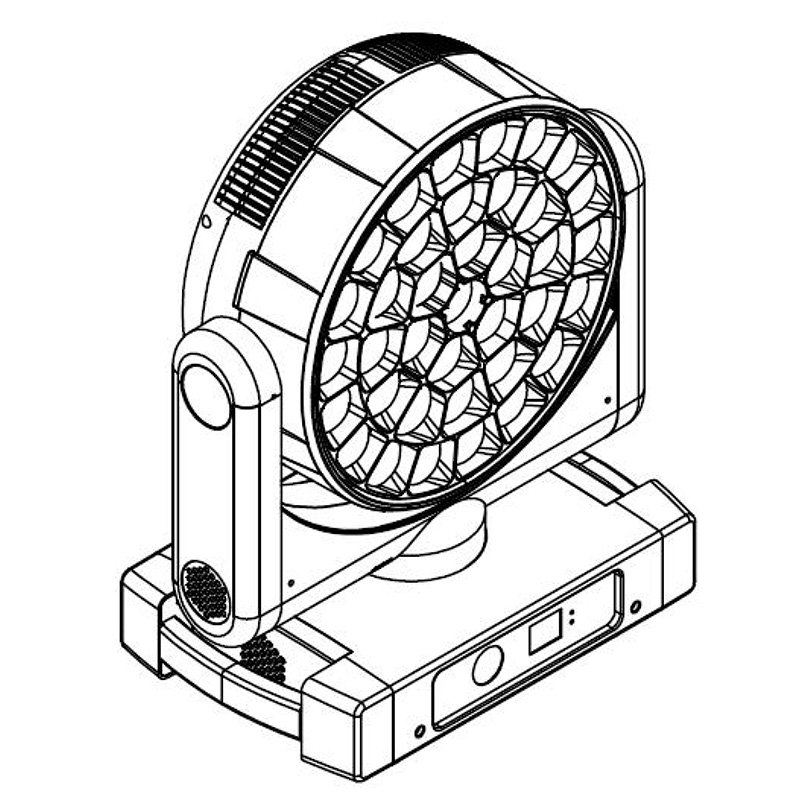
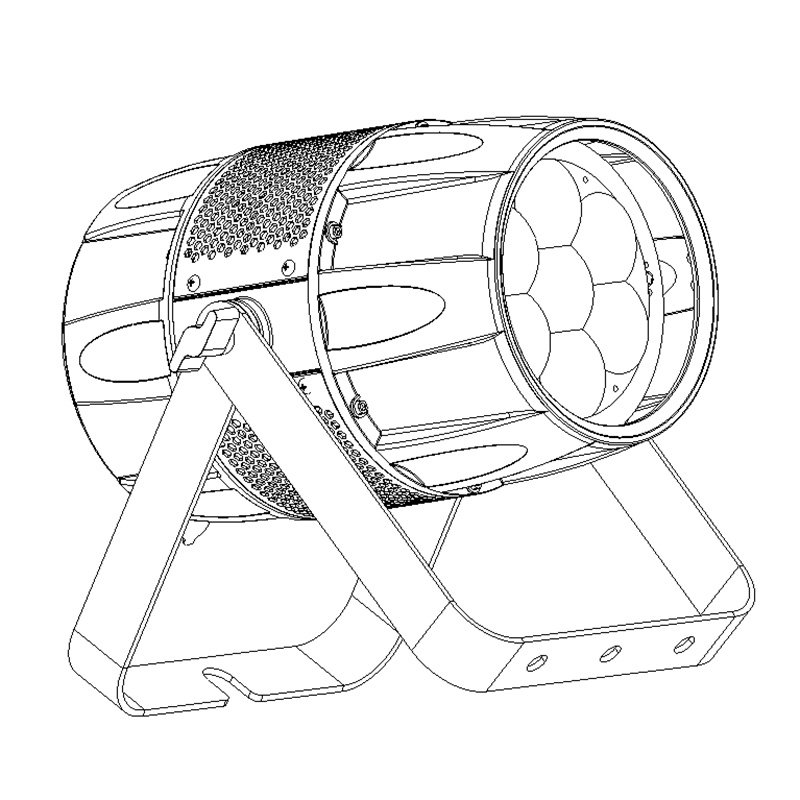
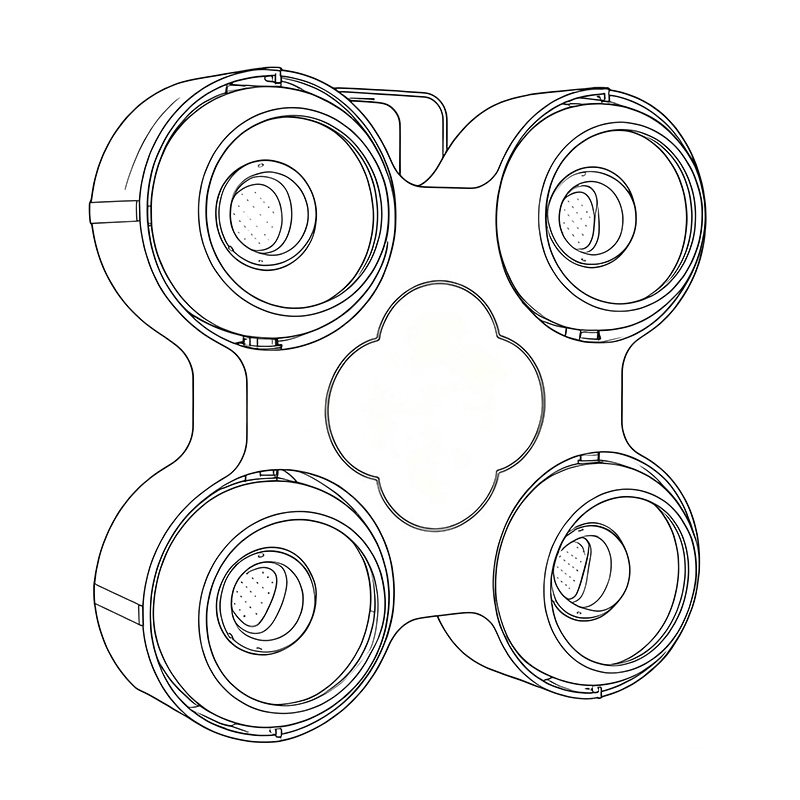
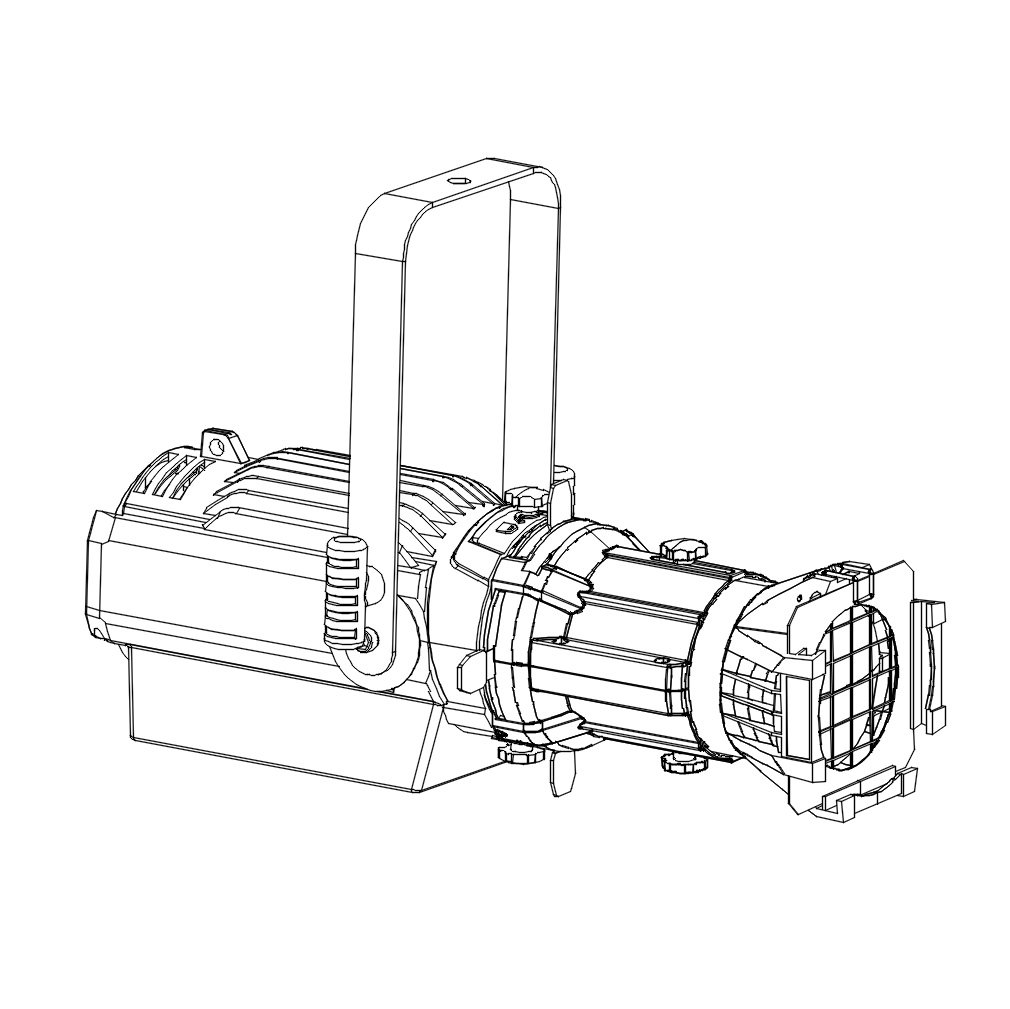
Wash and Spot moving heads solve different lighting tasks. Compare coverage, beam edge, optics and venue use case, then shortlist the fixture family that fits your project.
Compare Wash and Spot fixtures or request a project quote.
Moving-head Wash vs Spot at a glance
| Selection point | Moving-head Wash | Moving-head Spot |
|---|---|---|
| Primary output | Broad field of color | Defined, controllable projection |
| Beam edge | Usually soft for blending | Usually sharper and focusable |
| Typical optical tools | Color mixing and model-dependent zoom | Focus, gobos and model-dependent prism or iris |
| Common role | Cover performers, scenery or larger areas | Create shapes, texture, aerial looks or targeted emphasis |
| Important model checks | Coverage, color quality, zoom, output and fan behavior | Focus, gobo system, beam quality, output and optical functions |
What a moving-head Wash is designed to do
A Wash spreads color over an area and uses a softer edge to blend adjacent fixtures. It is commonly selected for stage coverage, performers, scenery, dance floors and background color. Some models include motorized zoom, but the available range and output are model-specific. Compare the coverage needed at the actual throw distance rather than choosing from fixture type alone.
Browse the current LED Wash moving-head category and verify each candidate’s published specification and manual.
What a moving-head Spot is designed to do
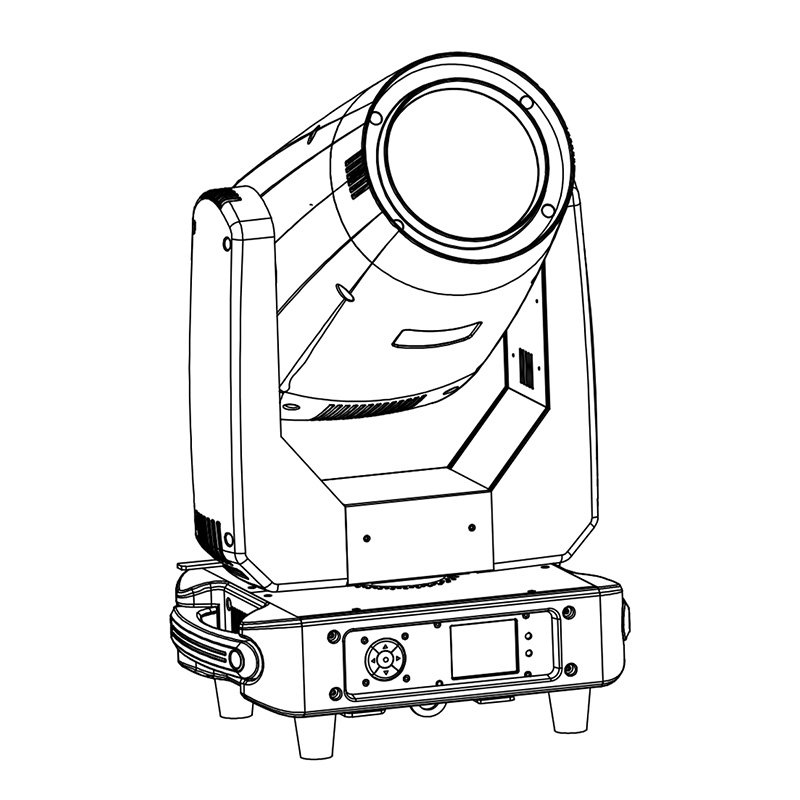
A Spot produces a more defined field and is used when the design needs focus, patterns or targeted emphasis. Gobos can add texture or shapes, while other optical tools vary by model. A Spot can also provide color, but its job is different from the broad, blended coverage expected from a Wash.
Browse the current LED Spot moving-head category and compare model-level focus, gobo, beam and control information.
Which fixture should you choose?
- Start with the visual task. Decide whether the design first needs area coverage or defined projection.
- Use the real throw distance. Compare the required lit area with model-specific photometric and optical data.
- Check control compatibility. Review control modes, DMX channels and the functions needed by the console or show file.
- Account for the venue. Consider ambient light, noise sensitivity, available power, mounting position and maintenance access.
- Review the exact model. Weight, connectors, accessories, rigging details and documents can differ within one category.
When a mixed rig makes sense
Many designs use Wash fixtures for the base layer of color and Spot fixtures for texture, movement and emphasis. A hybrid fixture may combine functions, but it should be evaluated against the same project requirements rather than assumed to replace two dedicated fixture types. Confirm the compromises in coverage, focus and optical tools on the specific model.
Build a model-level comparison
For each candidate, record the intended position, throw distance, required coverage, optical functions, color system, control mode, power and mounting context. Then compare the published model information and, where appropriate, a representative sample. The general product range can help build a shortlist.
Discuss your selection
If your project needs private-label options or a model-specific configuration, review the OEM/ODM service. You can also contact Aolait with the application, venue, required effect and candidate models for review.
For a three-in-one option, compare the 280W Beam Spot Wash Hybrid Moving Head with the separate fixture families, then request a project quote.