
 English
  Español
  Français
  Português
  Deutsch
  日本語
日本語  한국어
한국어  Türkçe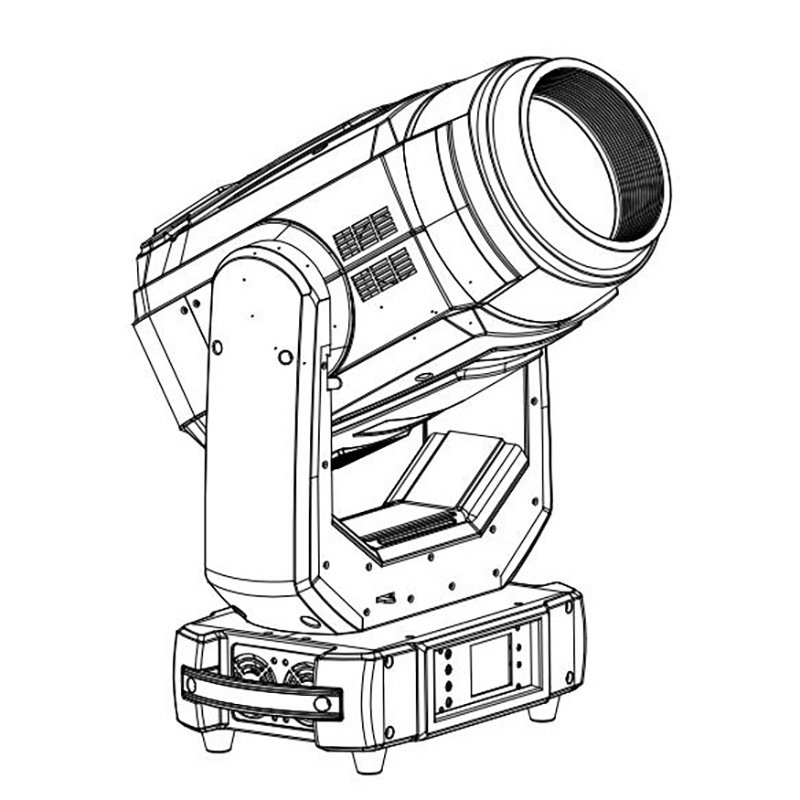
Quick Answer
A distributor should not place a wholesale stage-lighting order from a price list alone. Build a written requirement, qualify the supplier, test representative samples, verify model-specific compliance files, agree production and pre-shipment QC, and put MOQ, lead time, OEM artwork, packing, spare parts and warranty handling into the RFQ and purchase order.
The goal is a repeatable supply program: products that match the target market, arrive in a serviceable condition and can be supported after resale.
Table of Contents
- Why wholesale orders need a different process
- Define the distributor requirement
- Qualify the supplier and factory
- Build a product specification matrix
- Verify compliance documents
- Test samples
- Agree QC and aging tests
- Control MOQ, lead time and OEM/ODM
- Plan packing, shipping, spares and after-sales
- Send a complete RFQ
- Red flags
- Frequently asked questions
Why a Wholesale Order Is Different From a Sample Purchase
A sample answers one question: can this unit perform the intended job? A wholesale order adds several others. Can the supplier repeat the approved configuration? Can the distributor identify product revisions, replace parts and answer customer questions? Will labels and documents suit the destination market? Can the packing survive the shipping route? What happens when stock must be replenished six months later?
1. Define the Distributor Requirement Before Requesting Prices
Start with the customer and channel, not the factory catalog.
Build a product-family plan
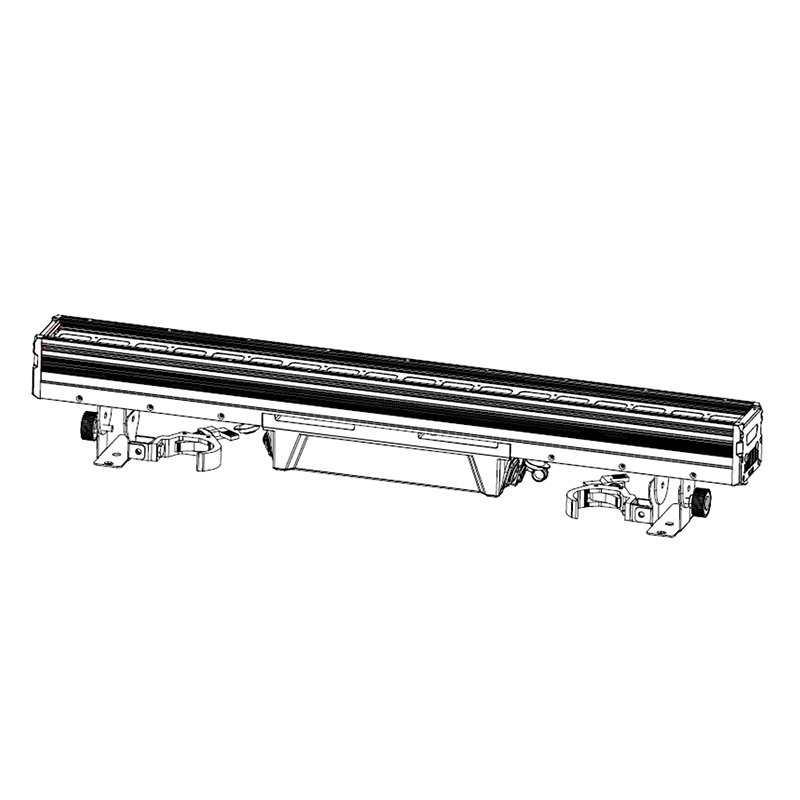
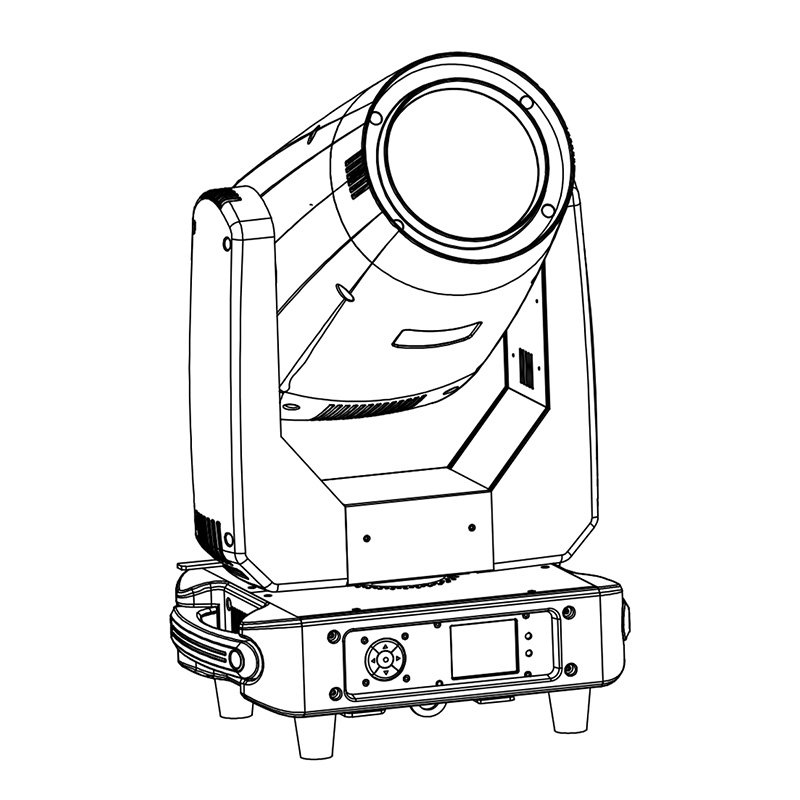
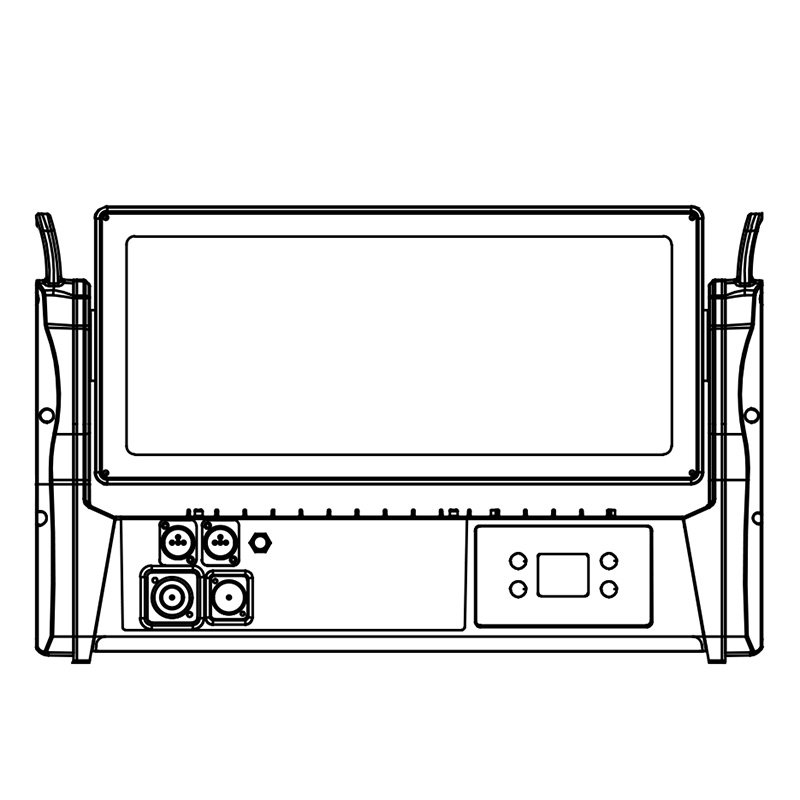
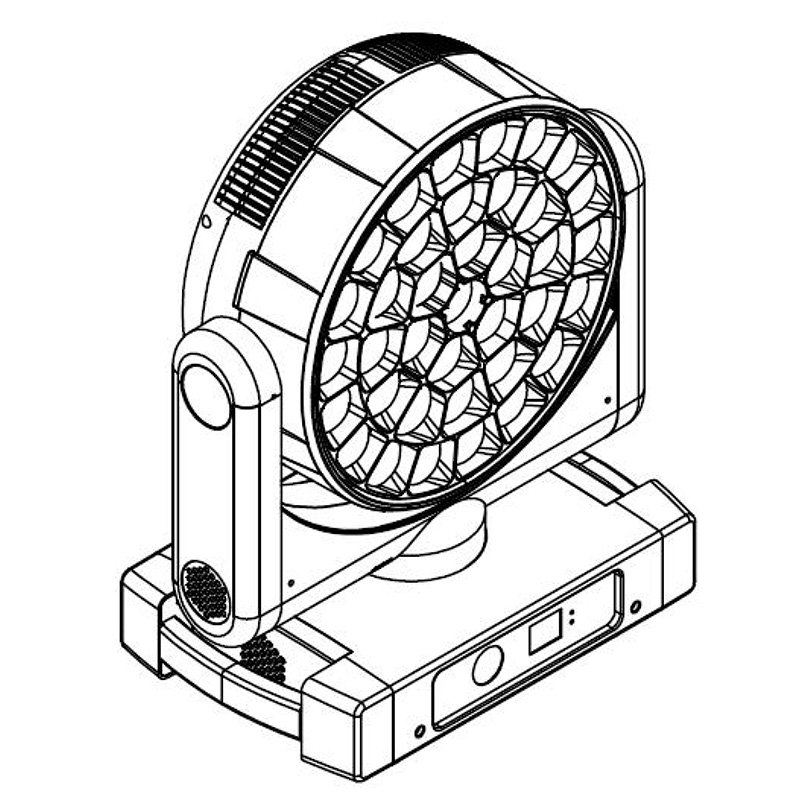
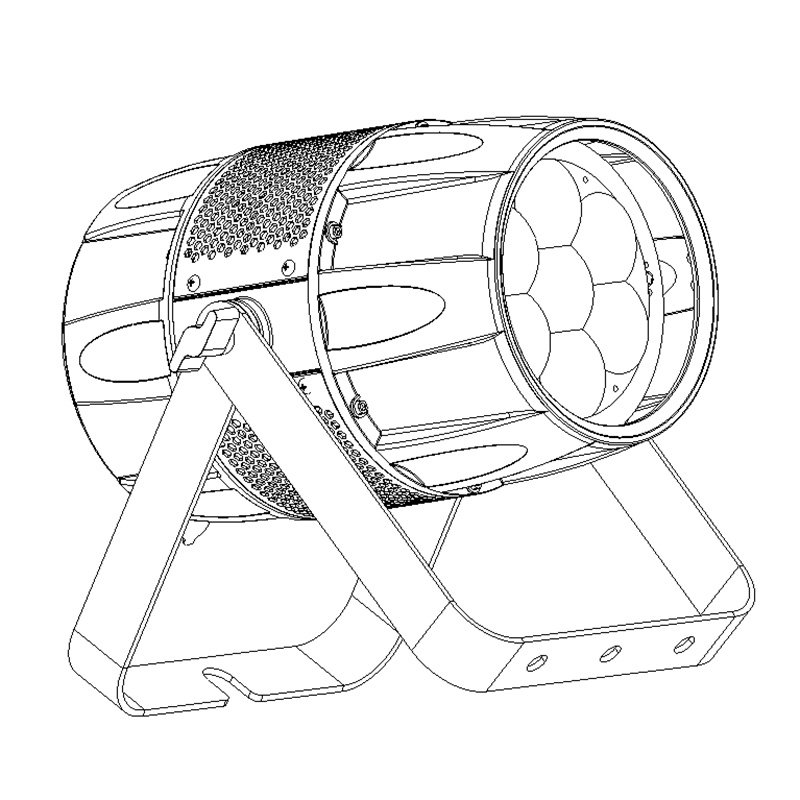
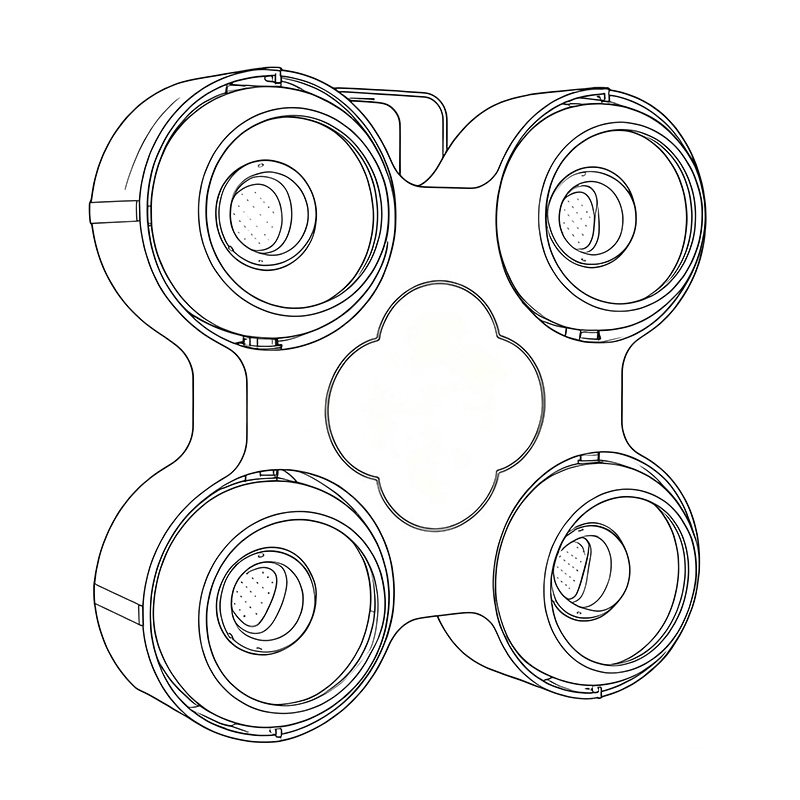
Decide which roles the range must cover: moving-head beam, spot, wash or profile; LED PAR; wall washer; strobe; blinder; studio fixture; battery uplight or control accessory. Define good/better tiers only where the buyer can explain the difference to a customer.
A distributor can review AOLAIT’s stage-lighting product range and live categories such as LED beam moving heads, LED wash moving heads and LED PAR lights to structure the shortlist. Use those live pages to build a model shortlist before requesting comparable quotations.
Define the destination market
Record delivery country, operating voltage and frequency, plug or power-connector expectations, language, labeling, required documents and whether radio functions are included. Applicable requirements vary by product and market; do not ask for “all certificates” without defining where the equipment will be sold.
Define the commercial use
The same fixture can be evaluated differently for resale, dry hire, installation projects or a private-label range. Rental buyers prioritize fleet consistency and repair speed. Installers may prioritize noise, control integration and project documentation. A reseller needs reliable product data, packing and customer-support material.
2. Qualify the Supplier and Factory With Evidence
Supplier evaluation should separate legal identity, process capability and product evidence.
Request the legal company name, business registration information, factory address, bank beneficiary details and the entity that will sign the contract and issue documents. Check that names remain consistent across the quotation, invoice, declarations and payment instructions. Independently verify any late change to payment details.
For a factory review, ask to see the actual workflow for the quoted product: incoming inspection, assembly, firmware loading, functional test, aging or burn-in, final inspection, packing and nonconforming-product control. A live video walkthrough can help, but the buyer should ask the operator to show date-specific and model-specific records rather than a prepared marketing clip.
ISO 9001 defines requirements for establishing and improving a quality management system. A valid certification may support confidence in process control, but it is not proof that a particular fixture or shipment conforms. Verify certificate scope and issuing body, then continue with product and batch checks.
Ask which company, QMS, audit and production records can be shared with qualified buyers.
3. Build a Product Specification Matrix
Put every quoted model into the same comparison format. If a field is missing, mark it open rather than accepting “standard” as an answer.
| Specification group | Fields to confirm |
|---|---|
| Identity | Model, revision, product category, intended application |
| Optical | Source, output evidence, beam/zoom range, focus, color system, gobos/effects, dimming behavior |
| Camera use | CRI/TLCI evidence, color temperature, PWM/flicker settings and test conditions |
| Movement | Pan/tilt range, resolution, correction behavior, movement noise |
| Control | DMX modes, channel chart, RDM/network features, firmware version and update method |
| Electrical | Rated voltage/frequency, maximum input, power factor where relevant, connector type and daisy-chain limits |
| Mechanical | Dimensions, net/gross weight, clamp points, safety attachment and case/carton size |
| Environment | Ambient range, IP rating where relevant, noise mode and installation restrictions |
| Documents | Manual, photometric file, DMX chart, declarations/reports, packing list and label artwork |
| Service | Replaceable modules, spare-part numbers, diagnostic information and warranty workflow |
If control requirements are unclear, review the existing DMX512 control guide before approving the channel map. ANSI E1.11-2024 / DMX512-A is available through ESTA’s Technical Standards Program as the standard source.
Never compare source wattage as if it were a complete performance measurement.
4. Verify Compliance Files by Model and Market
Compliance review is not a logo check.
For products placed on the European Economic Area market, the European Commission explains that CE marking is the manufacturer’s declaration that applicable legal requirements have been met. It is not an EU approval, quality award or statement of product origin. The responsible economic operators must identify applicable legislation and maintain the required conformity documentation.
Depending on the product, review may include the EMC Directive, Low Voltage Directive, RoHS and other requirements. Radio-equipped products can have additional obligations. Buyers should obtain qualified advice for the exact model and destination market.
Use this document checklist:
- exact model or justified model-family identity;
- manufacturer and responsible economic-operator details;
- EU Declaration of Conformity where applicable;
- relevant report numbers, standards and product revisions;
- label and rating-plate artwork;
- user and safety instructions in required languages;
- current dates, signatures and issuing-party details.
For an IP-rated product, IEC 60529 is the IEC source for enclosure classifications. Ask whether the evidence applies to the exact construction and whether cable, connector, orientation or service conditions affect the rating. The IP65 moving-head buyer guide provides a model-level checklist.
Confirm the available declaration and report set for each quoted model rather than assuming one file applies across a product family.
5. Test Samples Against the Requirement
Order representative samples before committing to a new range or significant customization. Keep the test reproducible.
Record the sample identity
Photograph the model label, serial number, firmware version, accessories, packaging and received condition. File the quotation, datasheet, manual and DMX chart with the sample record.
Test optical and control performance
Use fixed distances, camera settings and DMX scenes when comparing suppliers. Check beam or field quality, focus, zoom, color consistency, dimming, strobe and effects. Exercise every movement and control mode that will be sold.
For camera or studio products, test under the intended frame rates, shutter settings and dimming levels. For rental fleets, verify that multiple units respond consistently and return to position after reset.
Inspect construction and service access
Check handles, yoke clearance, fasteners, clamps, safety attachment, connectors, protective caps, fans, seals and cable strain relief. Review the manual’s rigging instructions and compare them with the existing moving-head rigging safety guide.
Open service areas only if authorized and safe. Record part labels and connector orientation so the approved sample can support future service comparison.
Retain an approved reference
After issues are resolved, identify the approved “golden sample” or signed specification. Define which characteristics production units must match and how agreed changes will be documented.
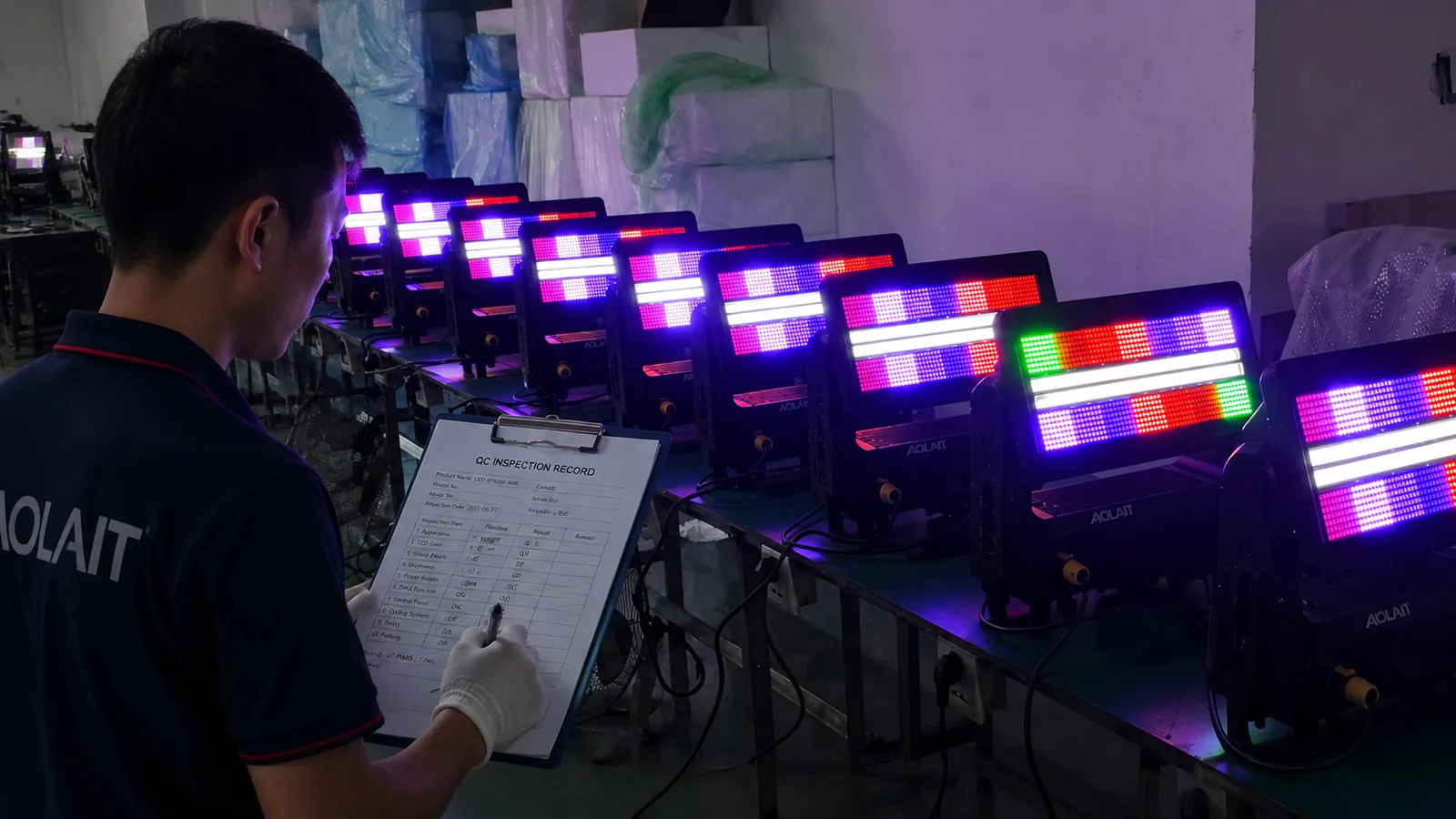
6. Agree QC, Aging and Pre-Shipment Evidence
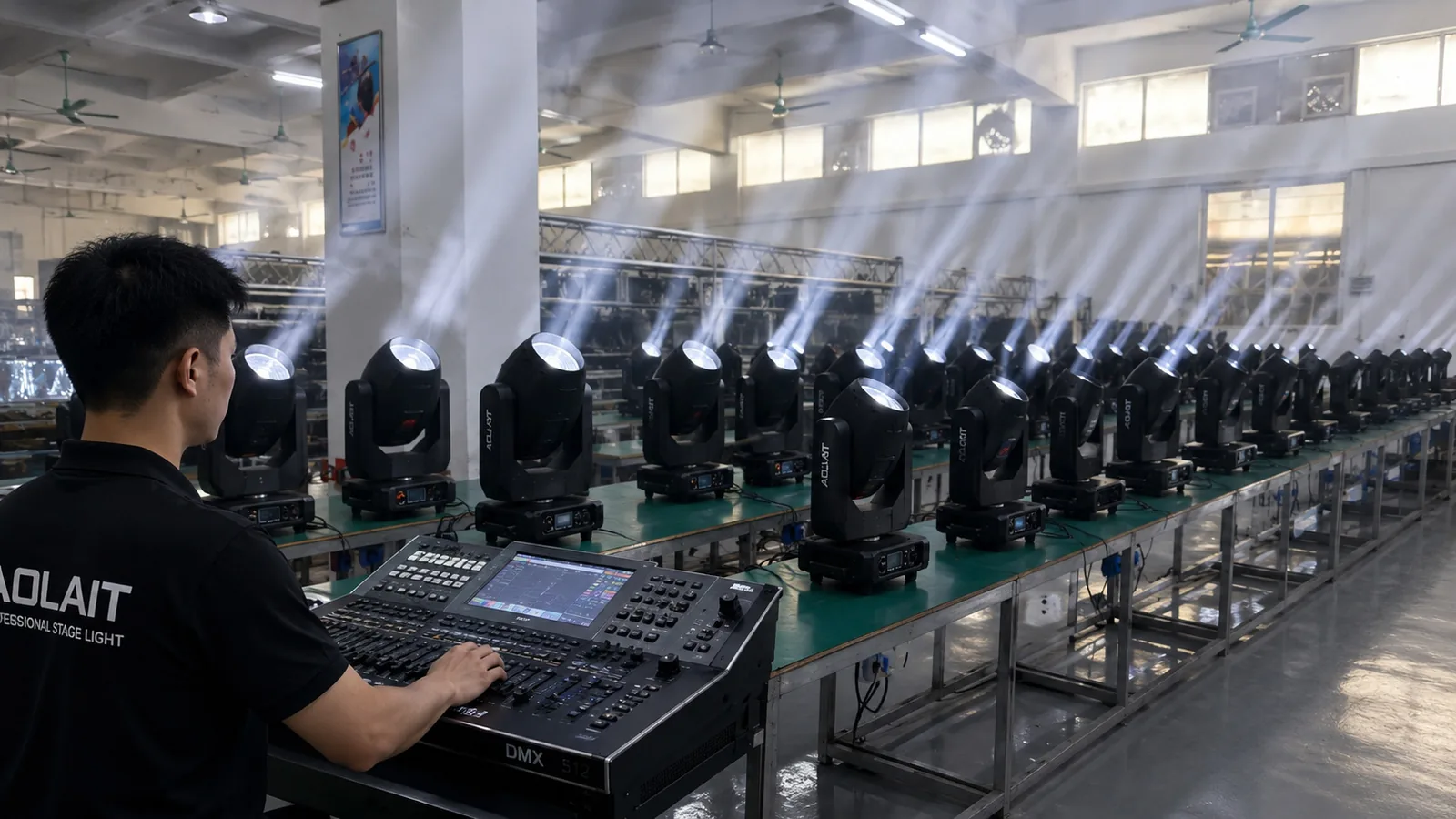
“100% tested” is not a complete QC plan. Ask what is tested, at which stage, for how long, under which operating mode, by whom and how failures are recorded.
An agreed plan can include:
- incoming checks for critical components;
- in-process assembly and wiring inspection;
- functional tests for movement, optics, control and display;
- electrical-safety tests applicable to the product and market;
- aging or burn-in under a defined load and duration;
- final appearance, accessory, firmware and label checks;
- packing inspection and quantity reconciliation;
- disposition records for failed or reworked units.
The aging-test record should identify the model, units or batch, duration, operating mode, exceptions and final result. Do not assume a longer duration is automatically better; the method should be designed to expose relevant early failures and agreed before production.
For a first order, consider independent or buyer-witnessed pre-shipment inspection where risk justifies it. Define the sample, pass/fail criteria and required evidence in the purchase order. Ask which inspection records and aging methods are available for the quoted product category.
7. Compare MOQ, Price and Landed Risk
Ask for separate commercial terms for:
- evaluation samples;
- standard products without customization;
- mixed-model orders;
- private-label packaging or labels;
- hardware, firmware, optical or structural changes;
- repeat orders and spare parts.
MOQ can apply at several levels: total order, model, color, logo, carton artwork or custom component. A low fixture MOQ may still require a larger print run or tooling commitment.
Compare more than unit price. Include sample and tooling cost, packing, inspection, freight, duty/tax assumptions, payment fees, local compliance work, expected spare stock and warranty handling. Use written Incoterms and make responsibility for transport documents, insurance and handover clear in the contract.
Confirm AOLAIT MOQ, pricing and payment terms in each written quotation.
8. Validate Lead Time and Capacity
Ask what event starts the lead-time clock: deposit, sample approval, artwork sign-off, component confirmation or another milestone. Separate production time from inspection, rework, booking and transit.
For OEM orders, build a critical path:
- specification freeze;
- sample or modification approval;
- label/manual/carton artwork approval;
- component readiness;
- production;
- aging and final QC;
- pre-shipment inspection;
- balance/payment milestone;
- booking and shipment handover.
Request progress evidence at agreed points and a written escalation path for delays. Avoid relying on a verbal ship date when launch or project commitments depend on it.
9. Control OEM and ODM Changes
OEM can mean a logo on an existing product, while ODM can involve deeper engineering. Do not let the labels replace a scope document.
For branding and packaging, approve logo position, model name, rating plate, serial format, manual, carton marks, barcode and color proof before mass printing. Confirm ownership and reuse rights for artwork.
For technical changes, define requirements, engineering responsibility, sample stages, test plan, firmware ownership, tooling ownership, change control and replacement-part compatibility. A small component substitution can affect performance or compliance evidence.
Use AOLAIT’s OEM and ODM service page for customization enquiries. Confirm specific capabilities, tooling, firmware work and intellectual-property terms in writing for each project.
10. Plan Packaging, Shipping and Receiving
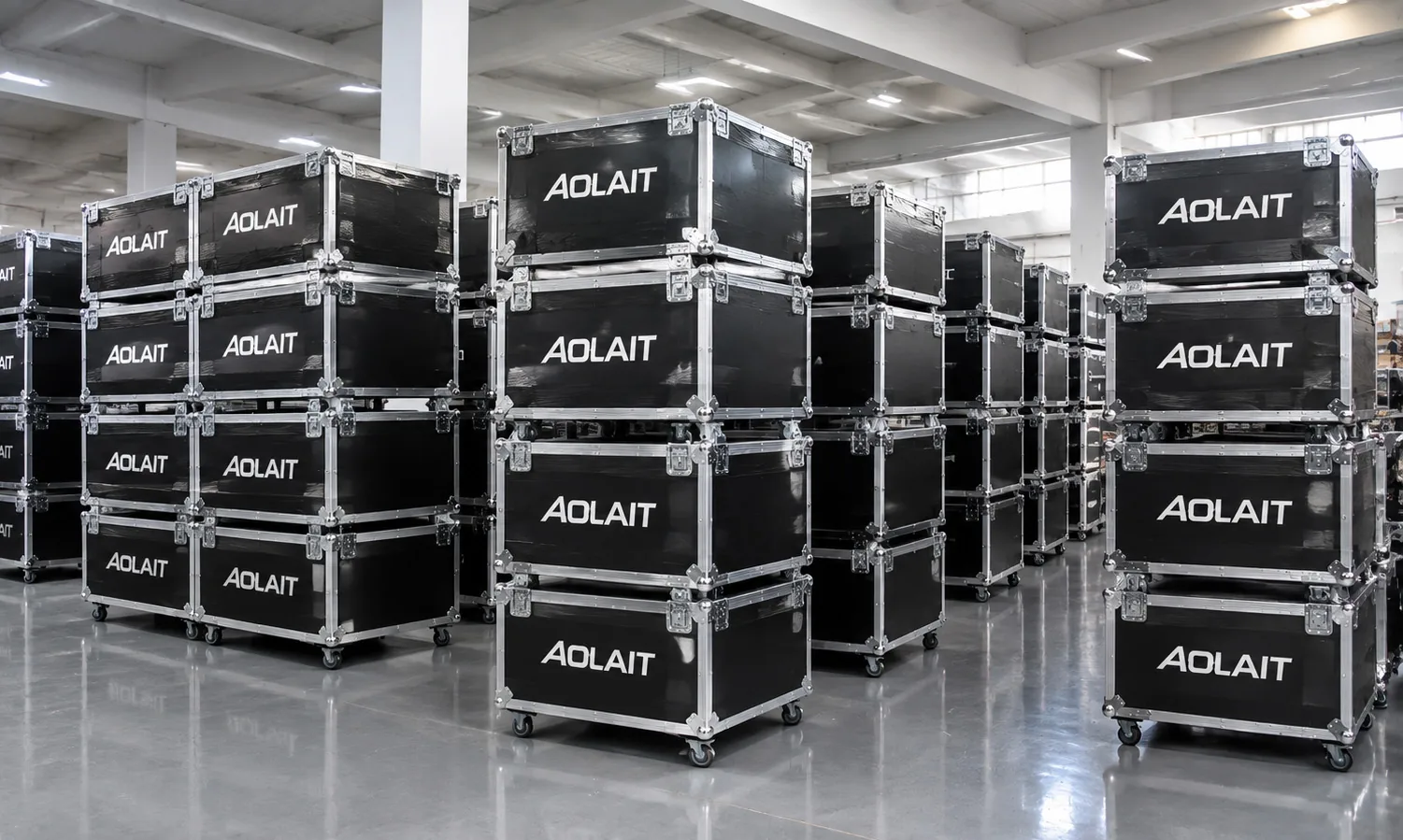
Packing protects both the product and the distributor’s customer experience. Specify whether the order uses export cartons, flight cases or another system. Confirm fixture supports, lens/yoke protection, accessory compartments, moisture protection where appropriate, carton marks, gross weight and pallet configuration.
Approve a packing sample or clear photographs before shipment. If the product will be reshipped individually, evaluate the retail/distributor carton for that route, not only the master shipment.
At receiving, inspect visible damage before unpacking, record seal and package condition, reconcile models and quantities, and run an agreed functional sample promptly. Define the notification window and evidence required for transport damage or shortages in the contract.
11. Build Spare-Parts and After-Sales Support Into the Order
A distributor needs to restore customer equipment without waiting for a new production order. Ask for a model-specific recommended spare list, part numbers, compatibility, prices and replenishment lead times.
Depending on the design and local repair capability, the plan may include power supplies, fans, displays, motors, belts, seals, lenses, cables or control boards. Do not buy a generic kit without confirming the exact revision.
Clarify warranty coverage, exclusions, diagnosis steps, photo/video/log requirements, parts shipment, labor responsibility, return authorization and response channel. Request service manuals or training only to the level the supplier is authorized to provide.
12. Wholesale Stage Lighting RFQ Checklist
Copy these fields into the RFQ:
- buyer company, market and sales channel;
- product categories, model references and quantities;
- target application and customer segment;
- voltage, frequency, connectors and language;
- optical, color, movement, noise and camera requirements;
- DMX/RDM/network modes and firmware expectations;
- required declarations, reports, labels and manuals;
- sample quantity, test plan and approval owner;
- production QC, aging and pre-shipment evidence;
- standard, mixed-order and OEM MOQ;
- lead-time milestones and requested delivery date;
- logo, label, manual, packaging and carton requirements;
- spare parts, warranty and technical-support workflow;
- packing, shipment term, destination and receiving requirements;
- quotation validity, payment milestones and exception list.
Require the supplier to respond line by line with Comply, Alternative or Not available. An explicit exception is easier to evaluate than an incomplete “yes.”
Red Flags to Resolve Before Ordering
- Company, bank and document names do not match.
- The model on the report differs from the quotation with no technical explanation.
- Specifications change between sales messages, datasheet and manual.
- The supplier will not provide a sample or live evidence of the quoted process.
- “CE approved” or “all certified” is used without applicable documents.
- Aging and QC claims have no method, duration or record.
- OEM changes are accepted without sample, artwork or change approval.
- Lead time excludes inspection, rework or shipping booking but is presented as a ship date.
- Spare parts and warranty handling remain verbal.
- Payment details change close to transfer without independent verification.
A red flag is a reason to investigate, not automatic proof of wrongdoing. Record the explanation and decide whether evidence reduces the risk.
Frequently Asked Questions
What should a distributor include in a wholesale stage lighting RFQ?
Include product families, quantities, target markets, voltage, optics, control modes, compliance documents, sample tests, OEM requirements, packing, delivery date, spare parts, warranty and acceptance criteria. Ask suppliers to identify every exception rather than quoting around missing information.
How should a buyer compare stage lighting samples?
Use the same requirement sheet, test distance, DMX scenes and inspection record for every sample. Check optics, movement, dimming, control, noise, thermal behavior, construction, documentation and packing, then retain an approved reference sample.
Does ISO 9001 certification prove that a stage light is high quality?
No. ISO 9001 concerns a quality management system. It can support process confidence, but the buyer must still verify the exact product specification, sample, compliance evidence, batch controls and shipment acceptance results.
Is a CE mark enough for importing stage lighting into the EU?
No. CE marking is the manufacturer’s declaration of conformity with applicable EU requirements. Buyers and importers should identify the applicable legislation and review the declaration, technical documentation, model identity, labeling and instructions.
How should MOQ and lead time be evaluated?
Request separate terms for samples, standard production and customized orders. Confirm what starts the lead-time clock, component or artwork dependencies, inspection time, shipment handover and the process for approving any delay.
What should an aging-test record show?
It should identify the model, units or batch, test duration, operating mode or load, environmental conditions if relevant, failures found, corrective action and final disposition. The buyer and supplier should agree the method before production.
Which spare parts should a stage lighting distributor order?
Build the list from the exact model, installed base, service capability and replenishment lead time. Confirm part numbers and compatibility for items such as power supplies, fans, displays, motors, belts, seals, lenses, cables or control boards instead of buying a generic kit.
Send a Useful RFQ
If you want AOLAIT to review a wholesale stage-lighting requirement, send the target market, product families, quantities, application, voltage, delivery date, required documents, sample plan, OEM scope and after-sales expectations.
Contact AOLAIT for a model-level discussion. MOQ, lead time, compliance files, test methods, packing, spares, warranty and commercial terms remain subject to written AOLAIT confirmation.
Authoritative References
- ISO 9001:2015 — Quality management systems: https://www.iso.org/standard/62085.html
- European Commission — CE marking: https://single-market-economy.ec.europa.eu/single-market/goods/ce-marking_en
- European Commission — RoHS Directive: https://environment.ec.europa.eu/topics/waste-and-recycling/rohs-directive_en
- European Commission — EMC Directive: https://single-market-economy.ec.europa.eu/sectors/electrical-and-electronic-engineering-industries-eei/electromagnetic-compatibility-emc-directive_en
- European Commission — Low Voltage Directive: https://single-market-economy.ec.europa.eu/sectors/electrical-and-electronic-engineering-industries-eei/low-voltage-directive-lvd_en
- IEC 60529 — IP Code: https://webstore.iec.ch/en/publication/2452
- ESTA — ANSI E1.11-2024 / DMX512-A: https://tsp.esta.org/tsp/documents/docs/ANSI%20E1.11%20-%202024.pdf