
 Deutsch
  English
  Español
  Français
  Português
  日本語
日本語  한국어
한국어  Türkçe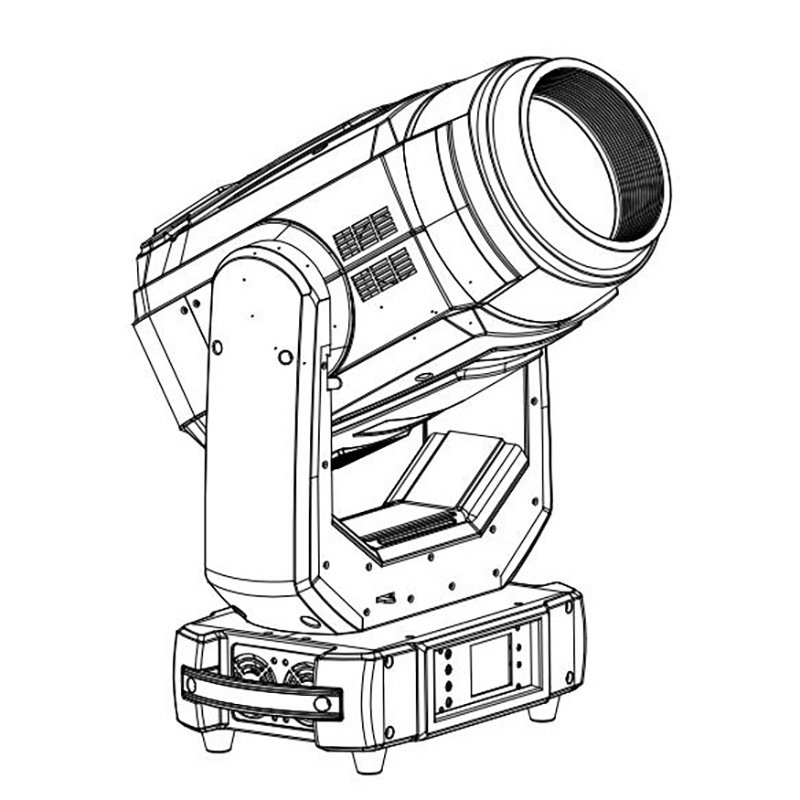
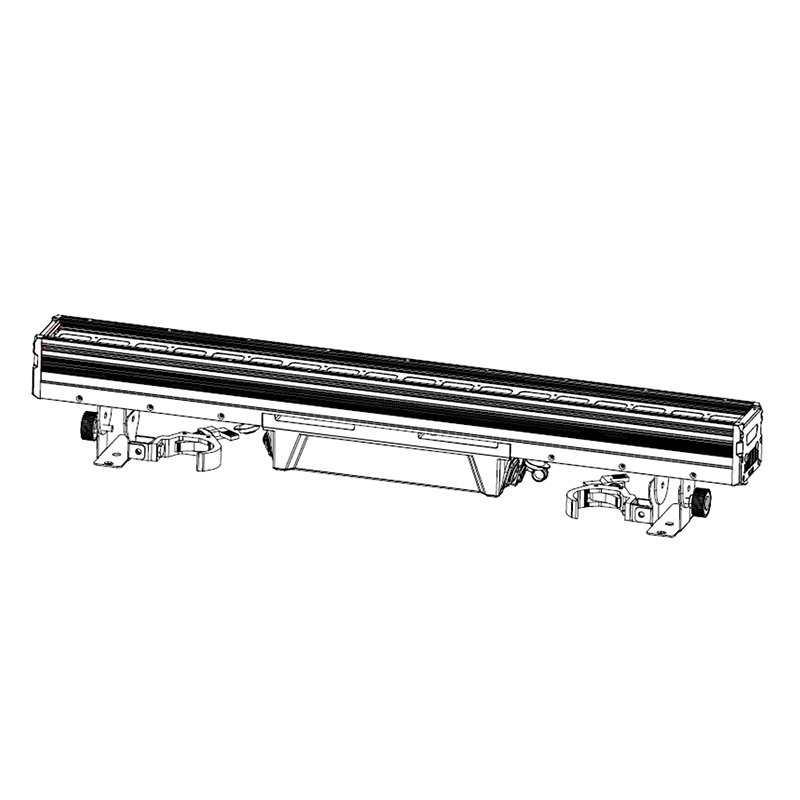
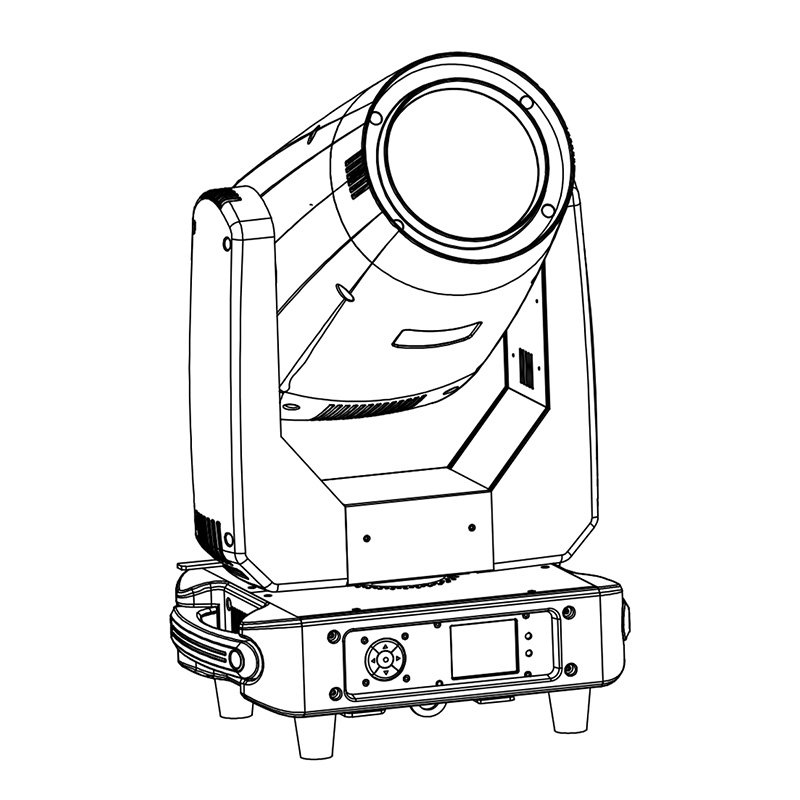
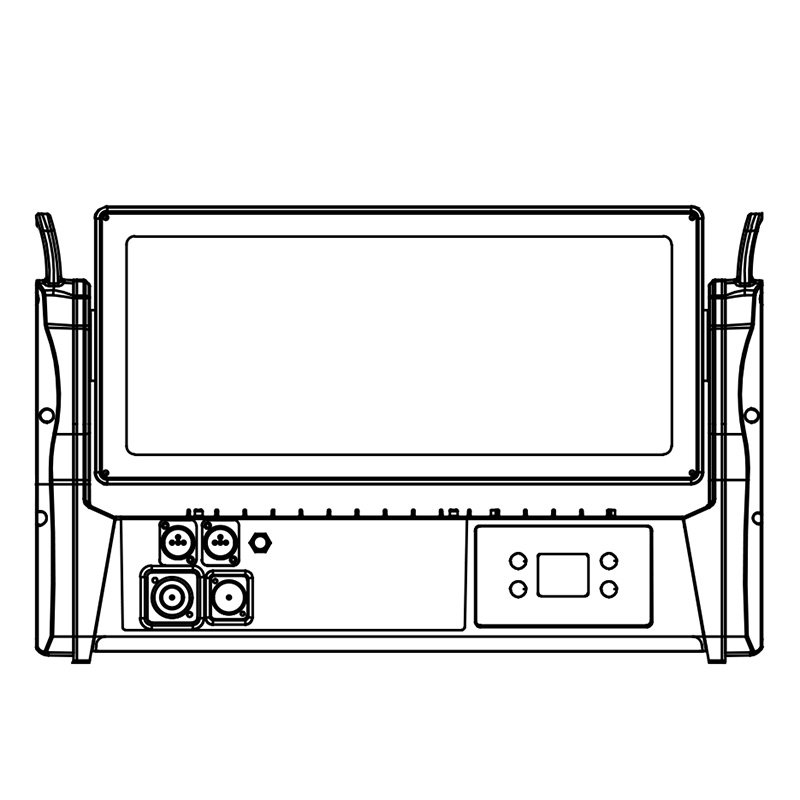
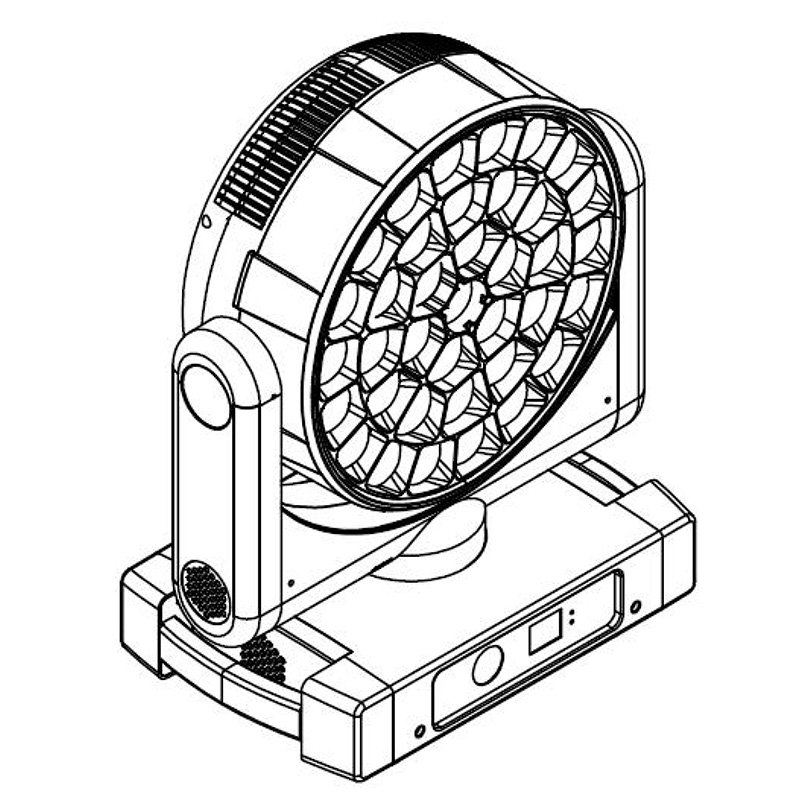
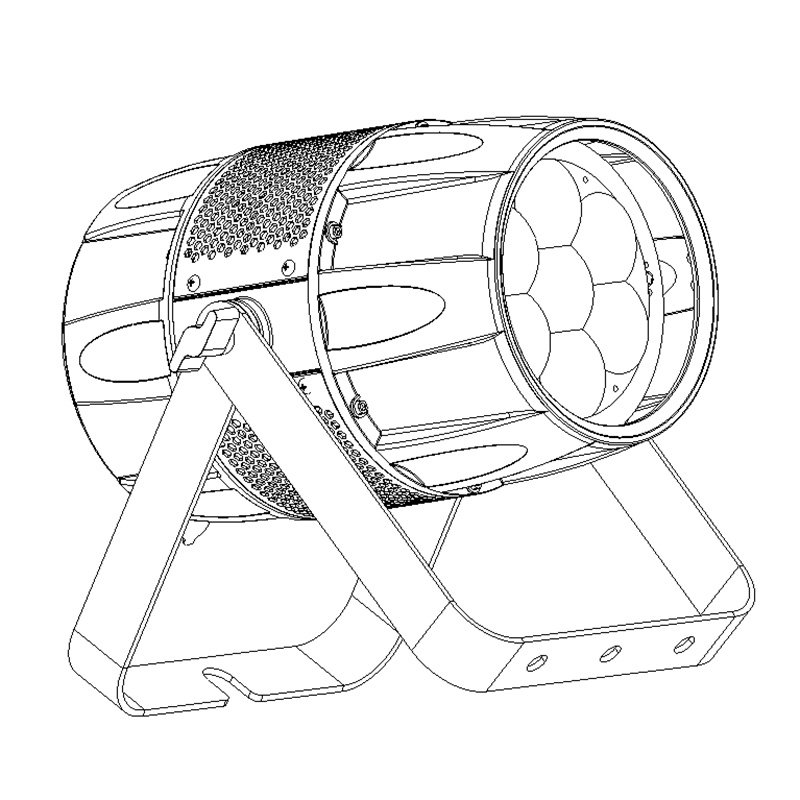
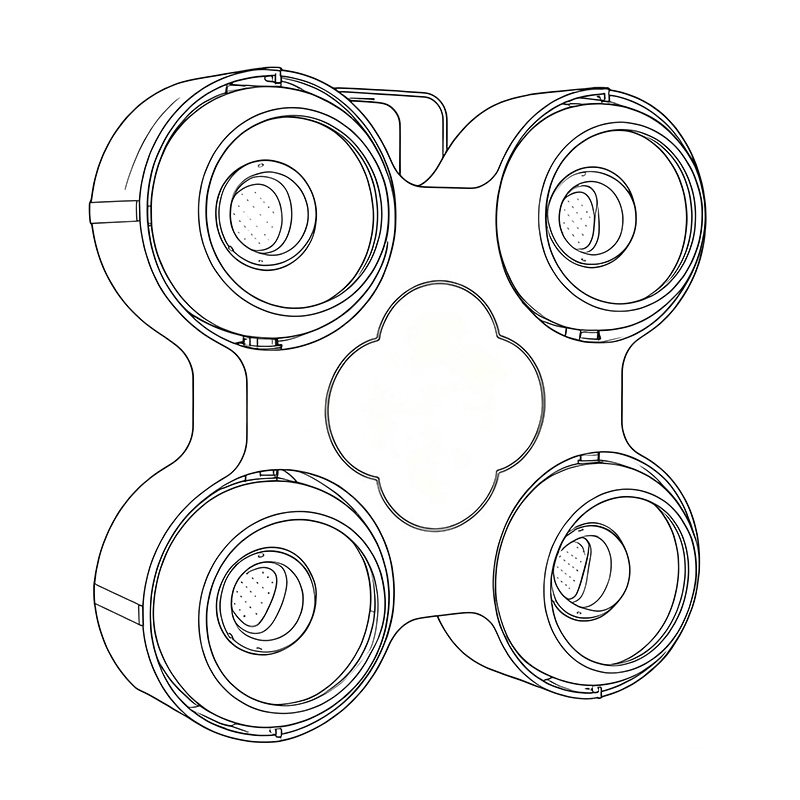
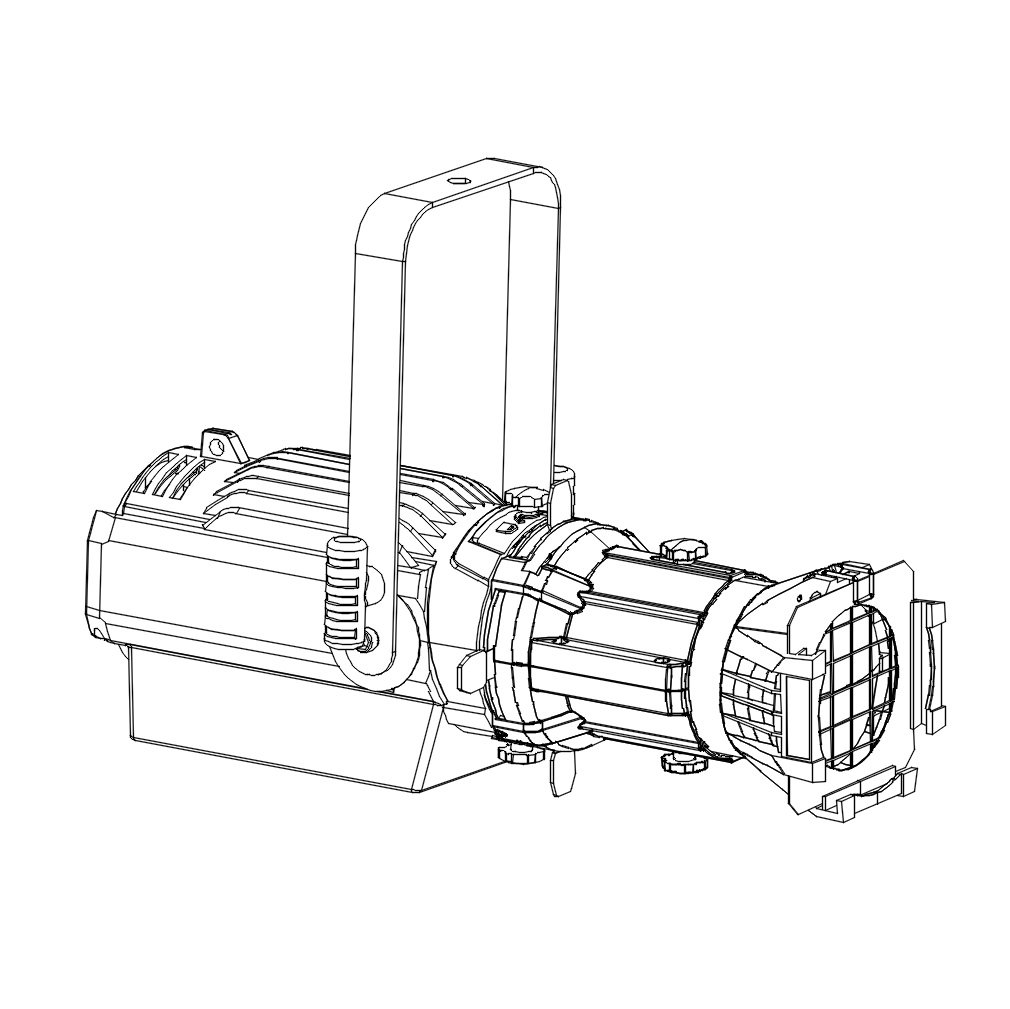
Ob es sich um ein groß angelegtes Konzert, eine Varieté-Show oder eine kleinere Musikparty handelt, die Verwendung von Lichteffekten, um die Atmosphäre zu gestalten, das Konzept des musikalischen Ausdrucks hervorzuheben und Vor-Ort-Effekte zu erzeugen, hat eine unersetzliche Rolle. Heute gibt es viele Arten von Effektlichtern, abgesehen von traditionellen Spullichtern und Rücklichtern. Lichter, Scheinwerfer und Effektlichter umfassen Par-Lichter, farbwechselnde Waschlichter, bewegliche Köpfe, Himmelsrosen, Laserlichter usw. Angesichts einer so großen Vielfalt an Lampen, wie sollten Lichtdesigner diese vernünftig einsetzen, um ihren idealen Lichteffekt auszudrücken? Der Effekt des Lichtdesigns hängt von der Vorstellungskraft des Designers ab. Zunächst einmal kann der Effekt nur verwirklicht werden, wenn man ihn sich vorstellt. Die Grundlage der Vorstellungskraft ist das Verständnis von Musik, denn Musik ist die Basis und das Ziel des Lichtgestaltungseffekts, das heißt, Lichteffekte dienen dazu, die musikalische Atmosphäre besser zu unterstreichen und das musikalische Konzept auszudrücken. Dann werden wir darüber sprechen, wie man Licht einsetzt, um die Musik auszudrücken und zu unterstreichen.
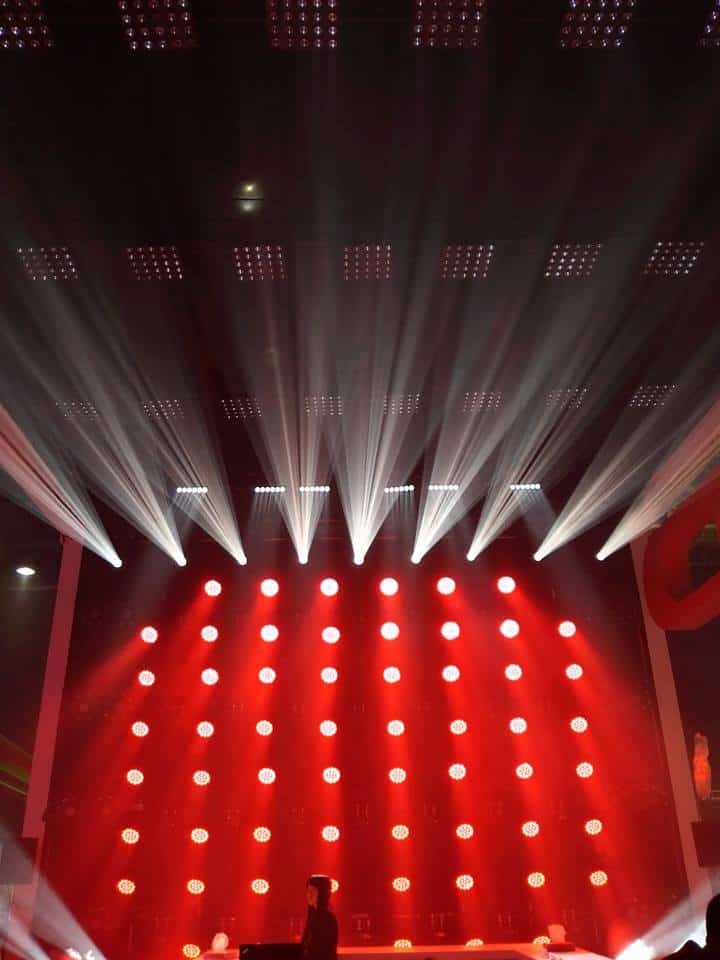
Weil die Stimmung der Musik Farben hat, wie z.B. warme und leidenschaftliche Musik, dann verwendet die Beleuchtung warme Farben, die rot, gelb, etc. sein können, während minderwertige Musik blaue und kühle Farben verwenden kann. Dies ist leicht zu verstehen, das heißt, die Synästhesie der Kunst, der Ausdruck der gleichen Sache, verschiedene Kunstkategorien sind nur verschiedene Ausdrücke, und die Gefühle ausgedrückt sind die gleichen. Mit dem Verständnis und das Erfassen der Stimmung der Musik, können wir zunächst bestimmen, den allgemeinen Ton des Lichts, welche Art von Musik und welche Tonfarbe Licht.
Das ist es, was wir üblicherweise die Koproduktion von Licht und Musik nennen, aber wie funktioniert das zusammen? Zunächst einmal muss man wissen, ob der Takt der Musik vier, drei oder sechsundachtzig usw. ist, und man muss den Upbeat und den Downbeat verstehen. Sie können verschiedene Lichtfarben verwenden und die Intensität des Lichts an den Takt der Musik anpassen. Wenn die Musik schnell ist, muss die Beleuchtung nicht zu jedem Takt passen, Sie können die schwachen Takte ignorieren und nur die starken Takte reflektieren. Der Rest der Musik kann im Dunkelfeld reflektiert werden. Wir können den Zeitwert, die Intensität, die Farbe und die Kategorie des Lichts verwenden, um die Veränderungen in der Länge, der Intensität, der Tonhöhe und dem Klang der Note zu reflektieren.
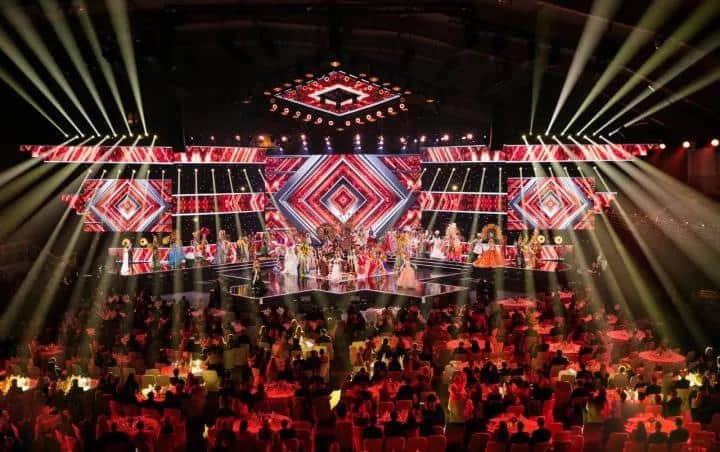
Wir unterteilen die Struktur des Lichts in physische und nicht-physische Strukturen. Lichtdesigner teilen häufig Spullichter, Rücklichter, Computerlichter und farbwechselnde Lichter in verschiedene Ebenen in unterschiedlichen Kombinationen ein, um einen dreidimensionalen Lichteffekt zu erzeugen. Das ist die physische Struktur des Lichts (räumliche Struktur); was ist die nicht-physische Struktur des Lichts? Ein Musikstück besteht aus Einleitung, Zwischenteil, Hauptmelodie, Nebenmelodie usw. Das Licht wird auch in verschiedene Teile unterteilt, kombiniert mit unterschiedlichen Lichtern und verschiedenen Veränderungsformen, um verschiedene Teile der Musik widerzuspiegeln. Je nach den Bedürfnissen des Musikrhythmus und der Melodie können wir zunächst einige Aktionsänderungs-“Werkzeuge” für das Licht herstellen und dann verschiedene Teile der Musik auf unterschiedliche Weise kombinieren, um sie auszudrücken. Die unterschiedlichen Kombinationen dieser Lichtaktionsänderungen bilden die nicht-physische Struktur des Lichts. Daher sagen wir, dass die Struktur der Musik die Struktur des Lichts bestimmt, was die nicht-physische Struktur des Lichts ist.
Die Brillanz in der Musik, das SOLO eines bestimmten Instruments ist der Höhepunkt eines Musikstücks, die Effektbeleuchtung sollte betont und reflektiert werden, so dass in der Lichteffekt-Design, einige spezielle Beleuchtung Aktion Änderungen sollten nach den besonderen wichtigen Details in der Musik angeordnet werden. reflektieren.
Alles in allem sollte sich die Gestaltung von Lichteffekten an der Musik orientieren, mit dem Ziel, die Atmosphäre der Musik wiederzugeben. Daher müssen Lichtdesigner ein tiefes Verständnis für die Struktur und den Inhalt von Musik haben, um zufriedenstellende Lichteffekte zu entwerfen.