
 Português
  English
  Español
  Français
  Deutsch
  日本語
日本語  한국어
한국어  Türkçe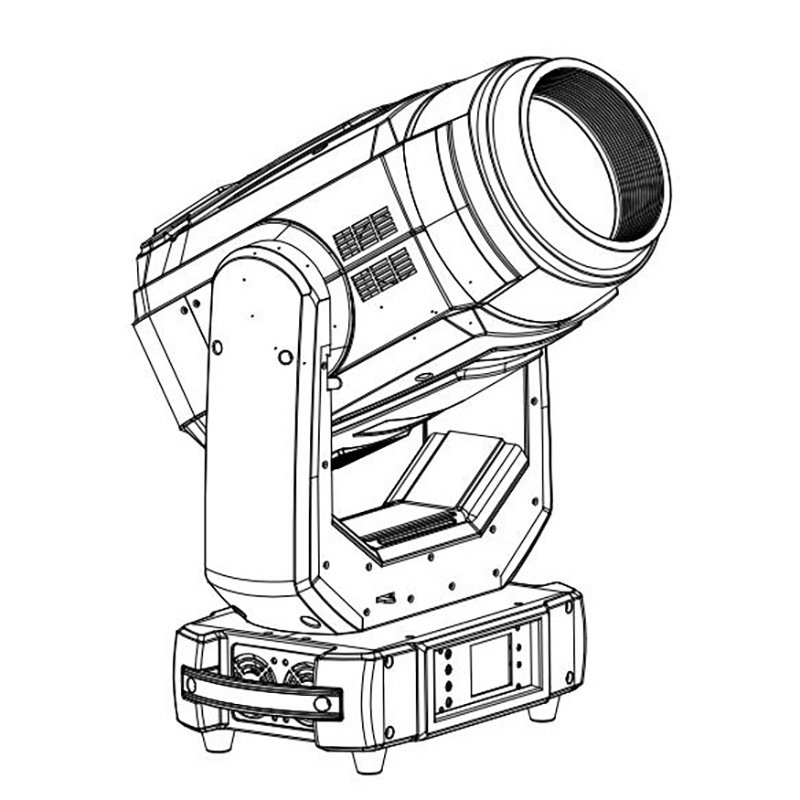
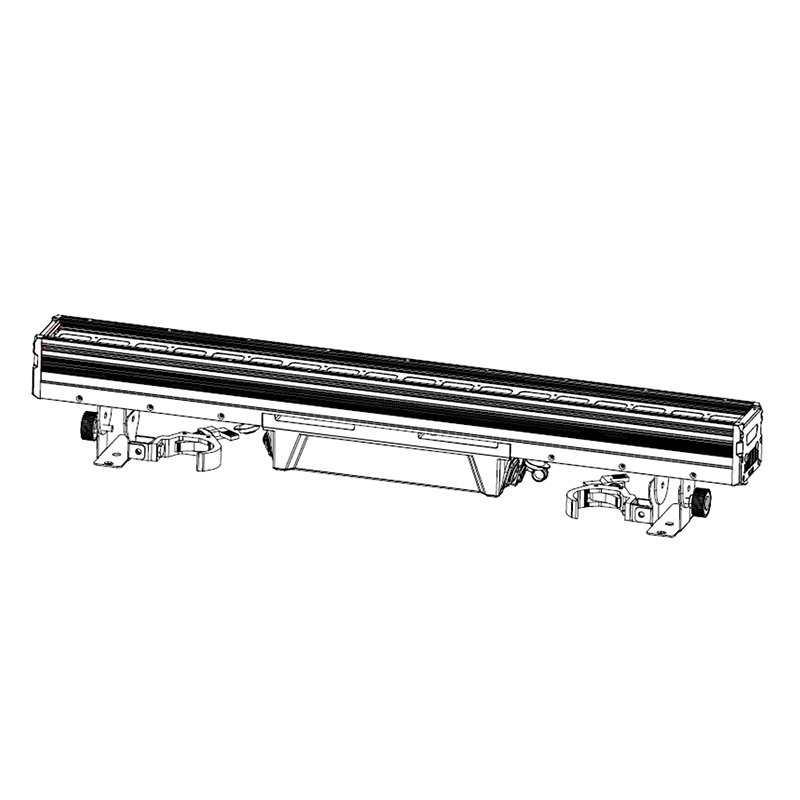
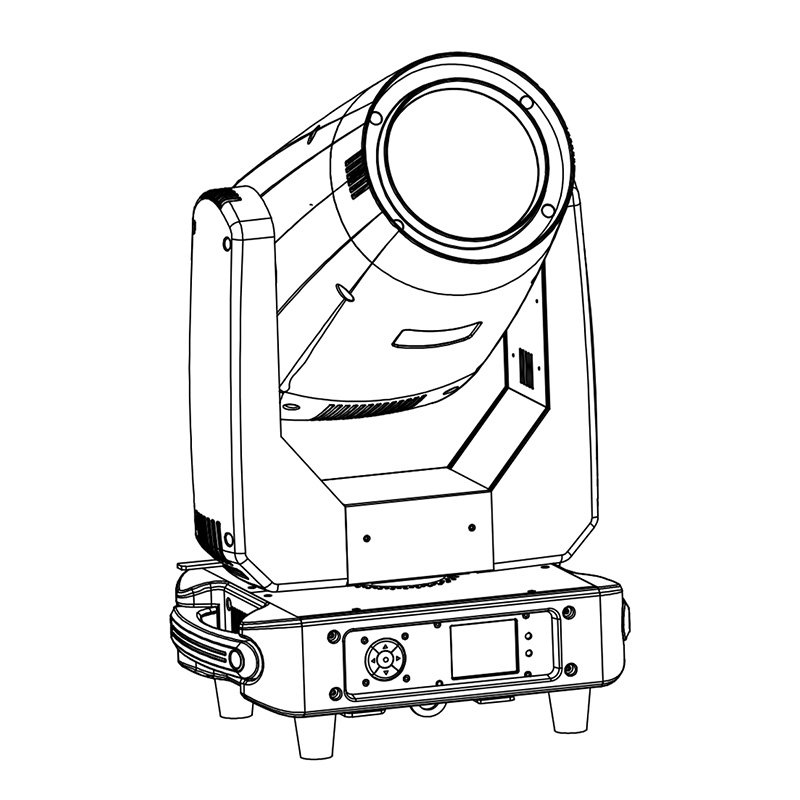
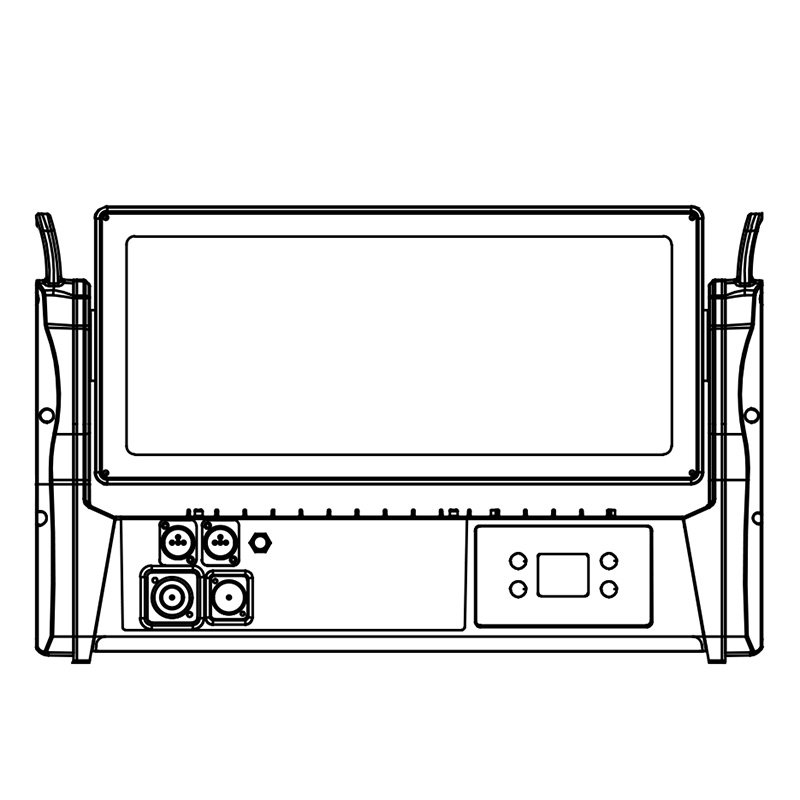
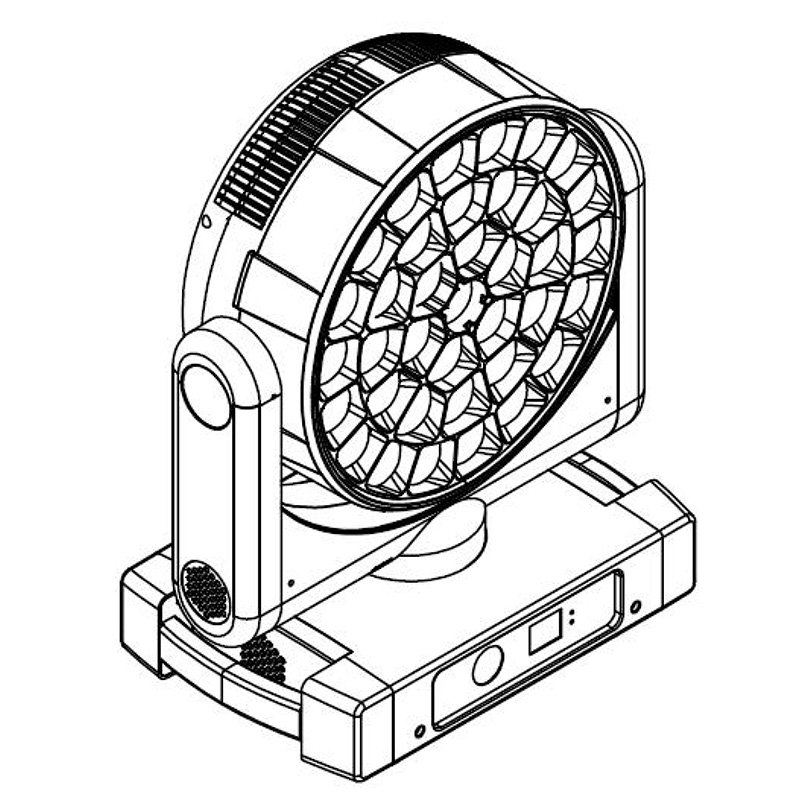
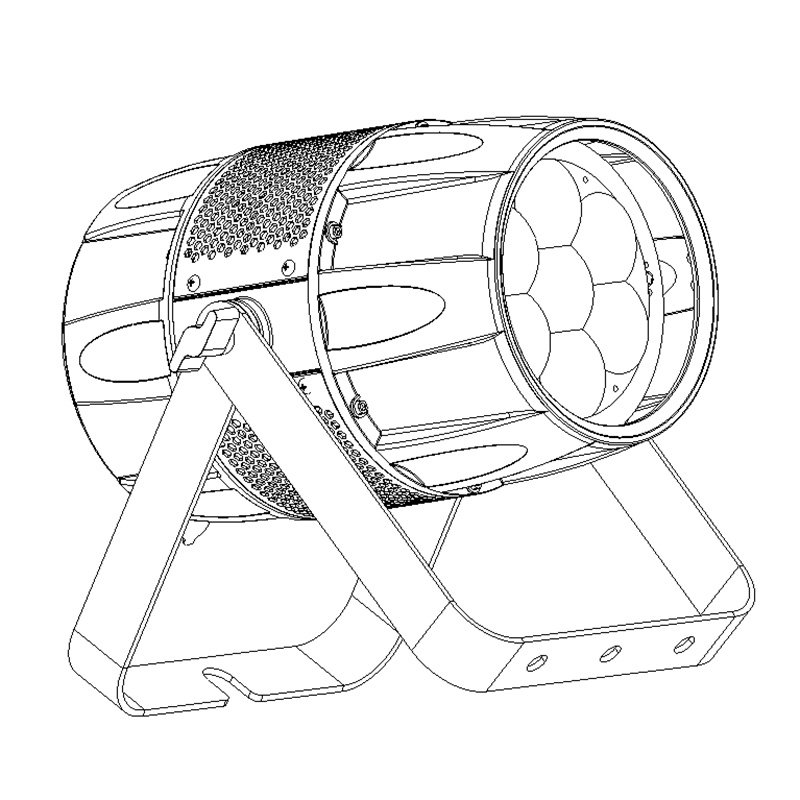
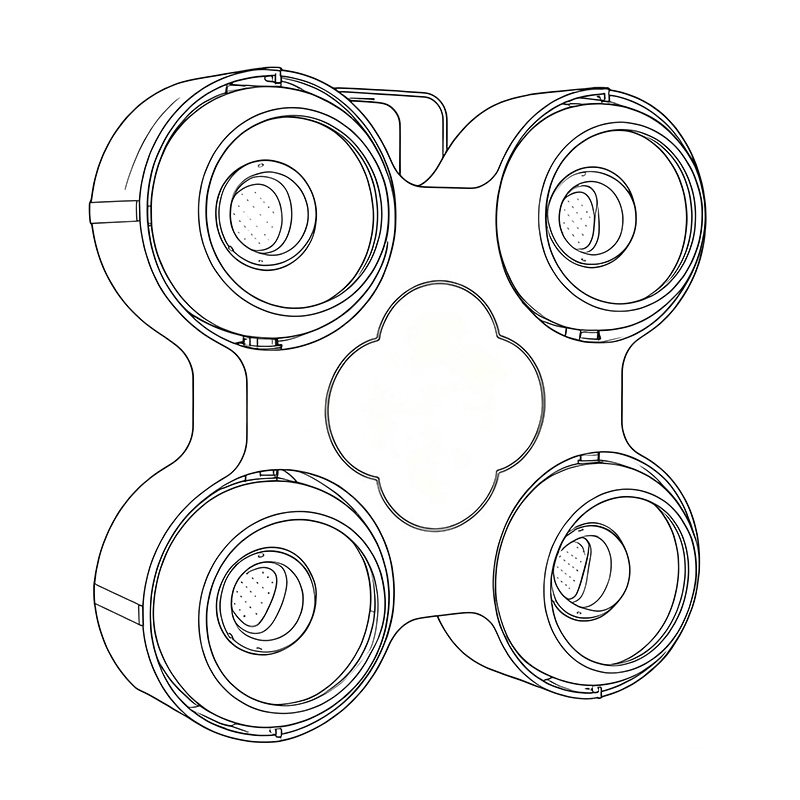
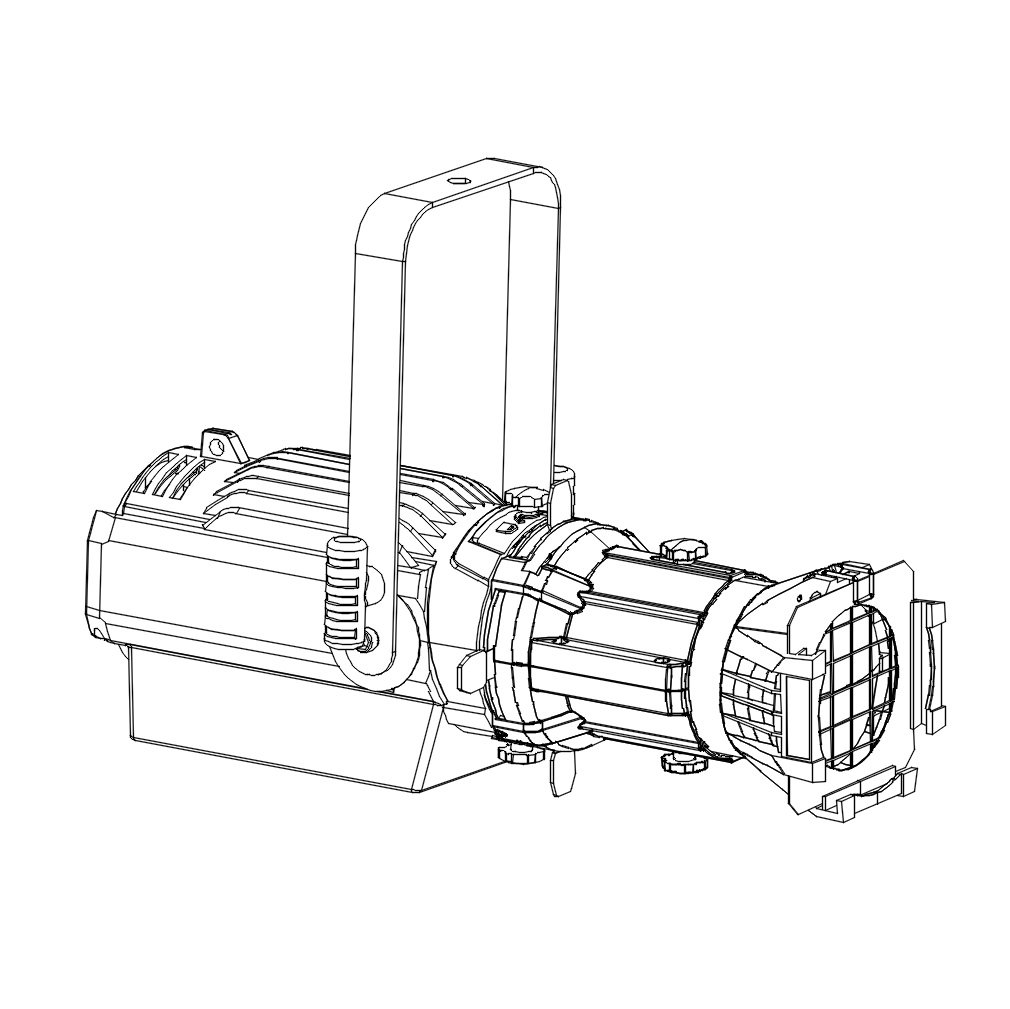
Quer se trate de um concerto em grande escala, um show de variedades ou uma festa de música em pequena escala, o uso de efeitos de iluminação para renderizar a atmosfera, destacar o conceito da expressão musical, criar efeitos no local, tem um papel insubstituível, e agora existem muitos tipos de luzes de efeito, além das tradicionais luzes de bobina e luzes de fundo. Luzes, holofotes e luzes de efeito incluem luzes par, luzes de lavagem com mudança de cor, luzes de cabeça móvel, rosas do céu, luzes a laser, etc. Diante de uma variedade tão ampla de lâmpadas, como os designers de iluminação devem usá-las de forma razoável para expressar seu efeito ideal de iluminação? O efeito do design de iluminação depende da imaginação do designer. Antes de tudo, é possível realizar o efeito apenas pensando nele. A base da imaginação é a compreensão da música, pois a música é a base e o propósito do design de efeitos de iluminação, ou seja, os efeitos de iluminação servem para realçar melhor a atmosfera musical e expressar o conceito musical, então falaremos sobre como usar a iluminação para expressar e realçar a música.
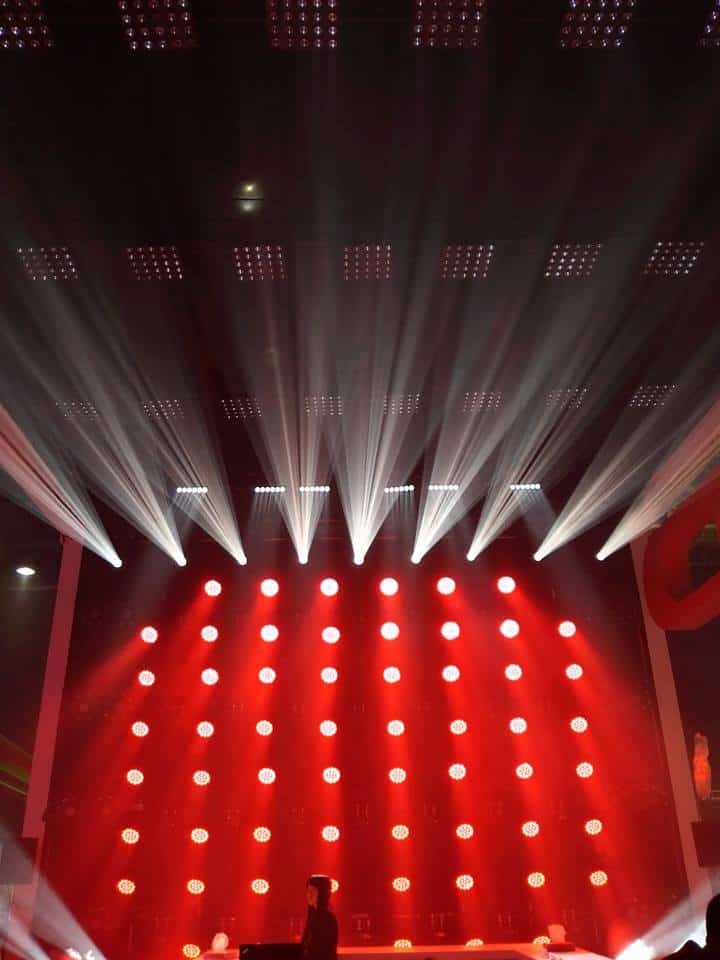
Porque o ambiente da música tem cores, como a música quente e apaixonada, então a iluminação utiliza cores quentes, que podem ser vermelhas, amarelas, etc., enquanto a música menor pode utilizar cores azuis e frias. Isto é fácil de compreender, ou seja, a sinestesia da arte, a expressão da mesma coisa, diferentes categorias de arte são apenas expressões diferentes, e os sentimentos expressos são os mesmos. Com a compreensão e a compreensão do estado de espírito da música, podemos primeiro determinar o tom geral da luz, que tipo de música e que tom de cor de luz.
Isto é o que normalmente chamamos de coprodução de luz e música, mas como é que isto funciona em conjunto? Em primeiro lugar, é necessário perceber se a batida da música é quatro, três ou oitenta e seis, etc., e compreender a batida ascendente e descendente. Pode utilizar diferentes cores de luz e a intensidade da luz para corresponder ao ritmo da música. Se a música for rápida, a iluminação não tem de corresponder a cada batida, pode ignorar as batidas fracas e refletir apenas as batidas fortes. O resto da música pode ser refletido no campo escuro. Podemos utilizar o valor temporal, a intensidade, a cor e a categoria da luz para refletir as alterações na duração, intensidade, tom e timbre da nota.
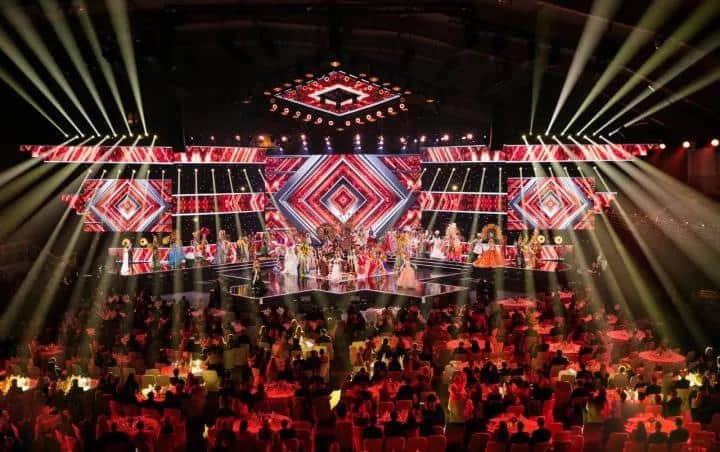
Dividimos a estrutura da luz em estrutura física e estrutura não física. Os designers de iluminação costumam dividir luzes de bobina, luzes de retorno, luzes computadorizadas e luzes de mudança de cor em vários níveis em diferentes combinações para formar um efeito de iluminação tridimensional. Esta é a estrutura física da luz (estrutura espacial); qual é a estrutura não física da luz? Uma peça musical é composta de prelúdio, interlúdio, melodia principal, sub-melodia, etc. A iluminação também é dividida em diferentes partes, combinada com diferentes luzes e diferentes formas de mudanças para refletir diferentes partes da música. De acordo com as necessidades do ritmo e da melodia da música, podemos primeiro fazer algumas “ferramentas” de mudança de ação para a iluminação, e depois combinar várias partes da música de diferentes maneiras para expressar, e as diferentes combinações dessas mudanças de ação de iluminação constituem a estrutura não física da iluminação. Assim, dizemos que a estrutura da música determina a estrutura da luz, que é a estrutura não física da luz.
O brilho da música, o SOLO de um determinado instrumento é o ponto alto de uma peça musical, o efeito de iluminação deve ser realçado e refletido, por isso, no design do efeito de iluminação, algumas mudanças especiais de ação de iluminação devem ser organizadas de acordo com os detalhes especiais importantes da música.
Em suma, a conceção da iluminação de efeito deve basear-se na música, com o objetivo de reproduzir a atmosfera da música. Por conseguinte, os projectistas de iluminação devem ter um conhecimento profundo da estrutura e do conteúdo da música para poderem conceber efeitos de iluminação satisfatórios.