
 Türkçe
  English
  Español
  Français
  Português
  Deutsch
  日本語
日本語  한국어
한국어 
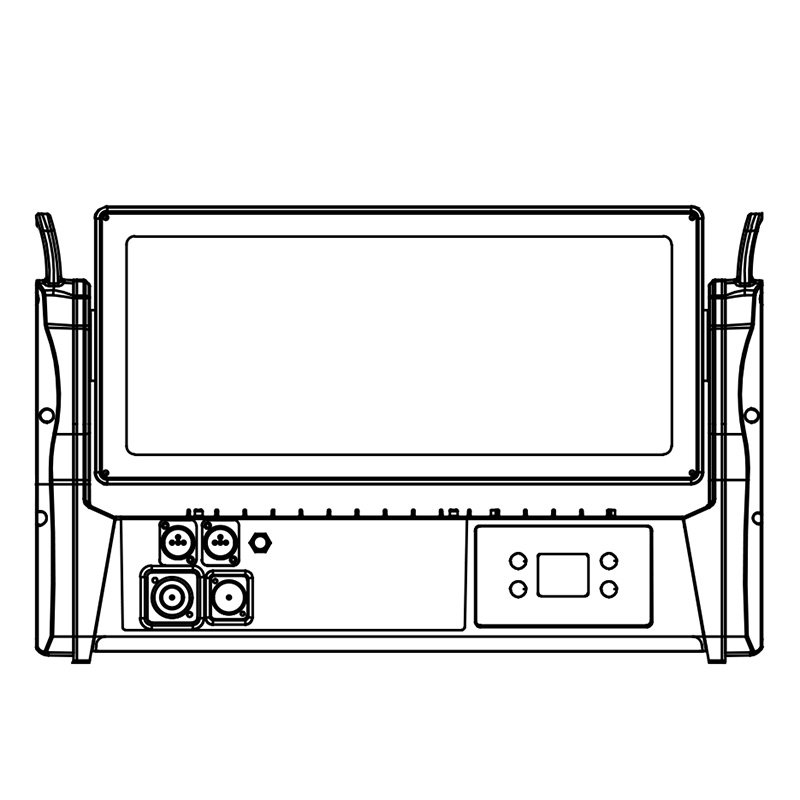
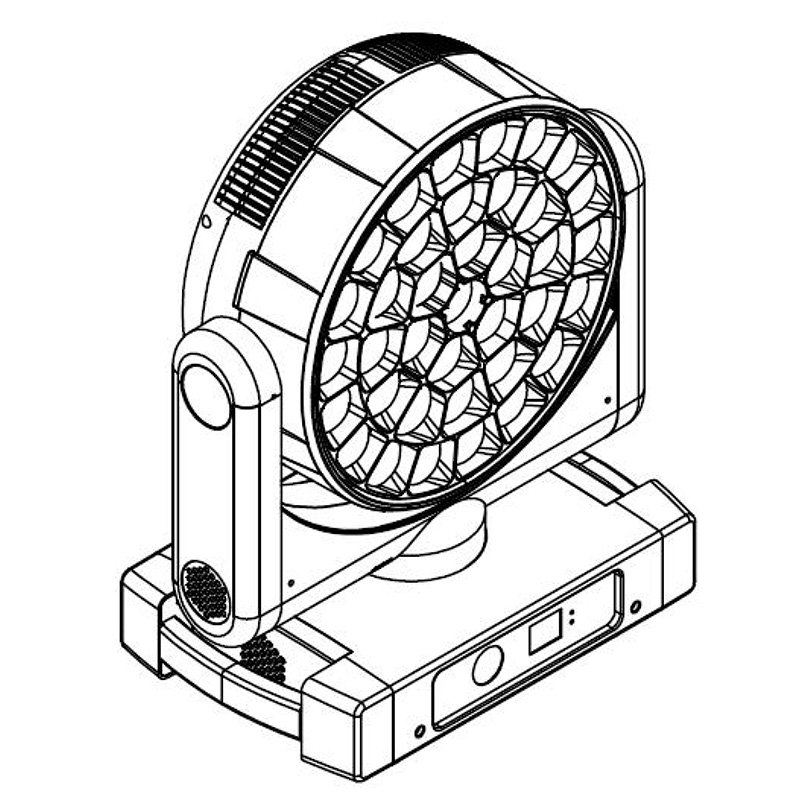
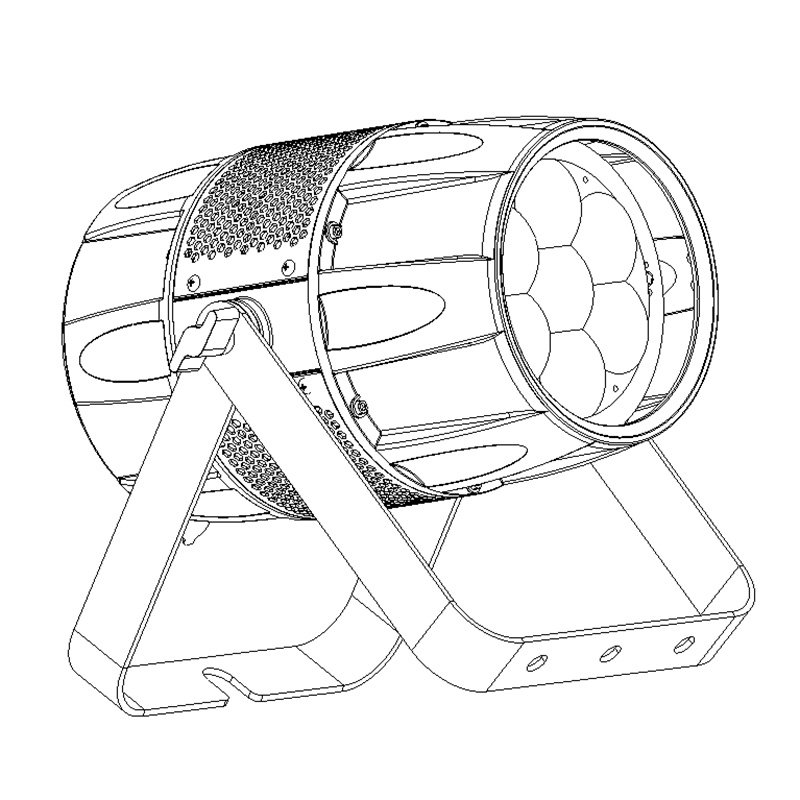
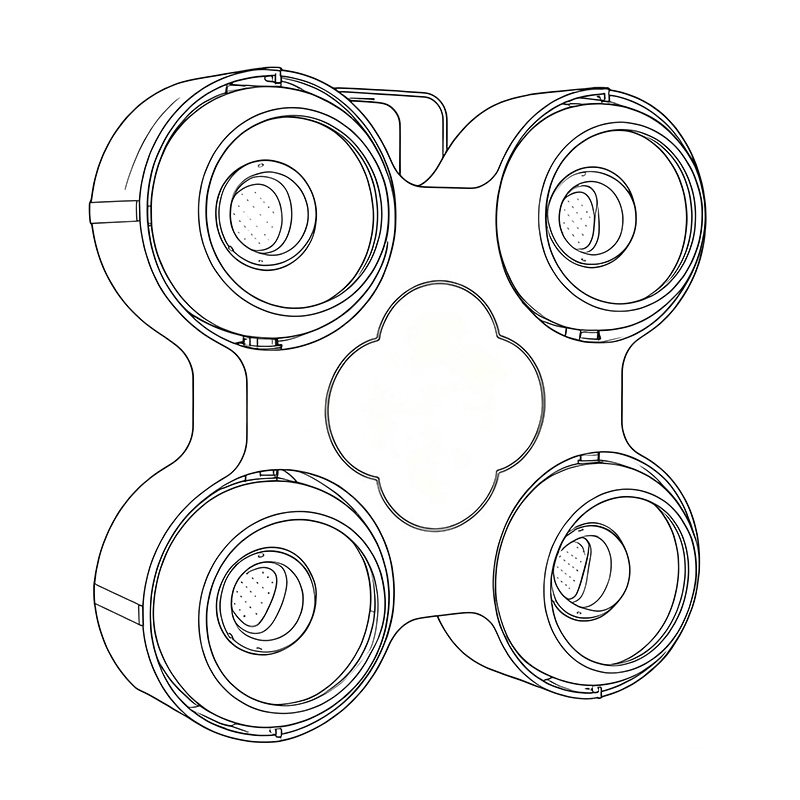
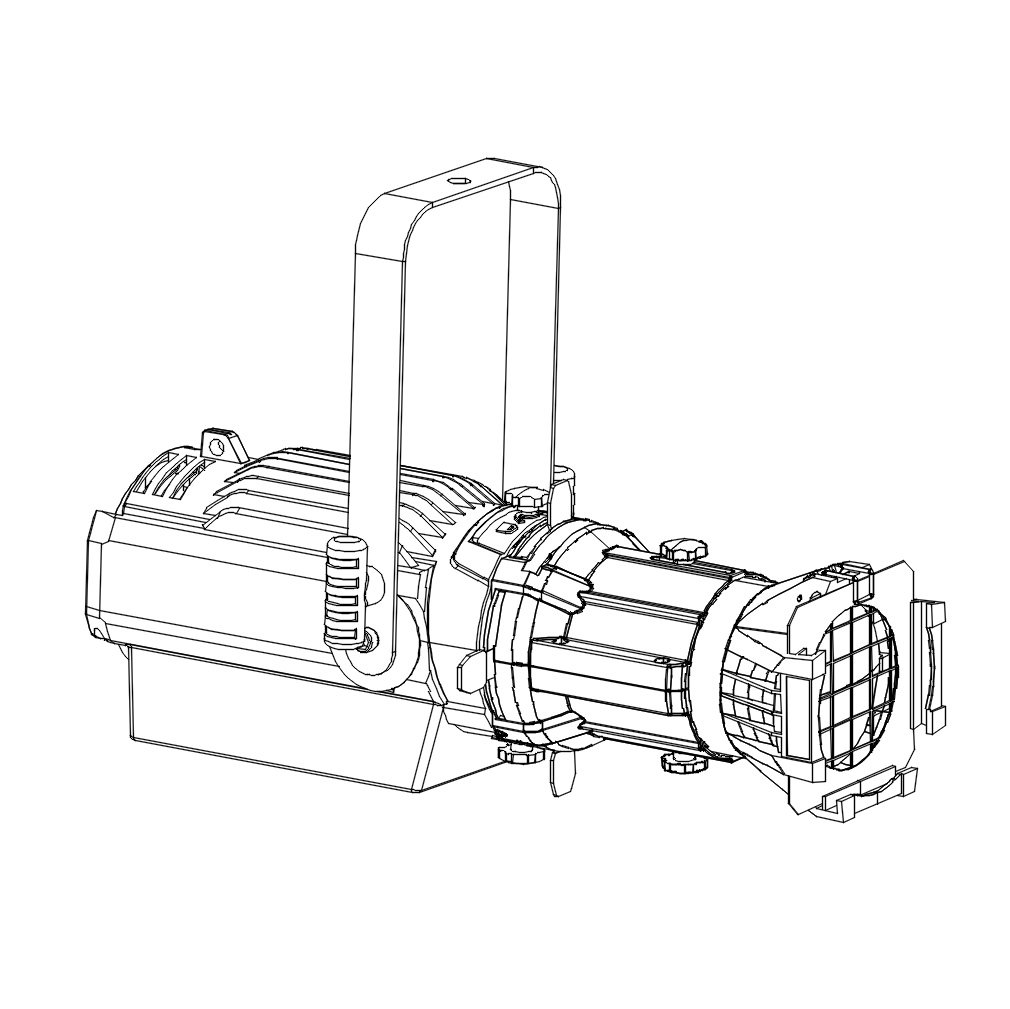
Büyük ölçekli bir konser, çeşitli bir gösteri veya küçük ölçekli bir müzik partisi olsun, atmosferi oluşturmak, müzik ifadesinin konseptini vurgulamak, yerinde etkiler yaratmak için ışık efektlerinin kullanımı, yeri doldurulamaz bir role sahiptir ve şimdi birçok türde efekt lambası bulunmaktadır; geleneksel bobin lambaları ve arka lambalar dışında. Işıklar, spot ışıkları ve efekt lambaları, par ışıkları, renk değiştiren yıkama ışıkları, hareketli kafa ışıkları, gökyüzü gülleri, lazer ışıkları vb. gibi pek çok türü içerir. Bu kadar çeşitli lambalar karşısında, aydınlatma tasarımcıları bunları ideal aydınlatma etkisini ifade etmek için nasıl mantıklı bir şekilde kullanmalı? Aydınlatma tasarımının etkisi, tasarımcının hayal gücüne bağlıdır. Öncelikle, etkiyi sadece düşünerek gerçekleştirmek mümkündür. Hayal gücünün temeli müzik anlayışıdır, çünkü müzik, aydınlatma efekt tasarımının dayanağı ve amacıdır; yani, aydınlatma efektleri, müzik atmosferini daha iyi ortaya çıkarmak ve müzik konseptini ifade etmek içindir. O halde, aydınlatmayı nasıl kullanacağımızı ve müziği nasıl ifade edeceğimizi konuşalım.
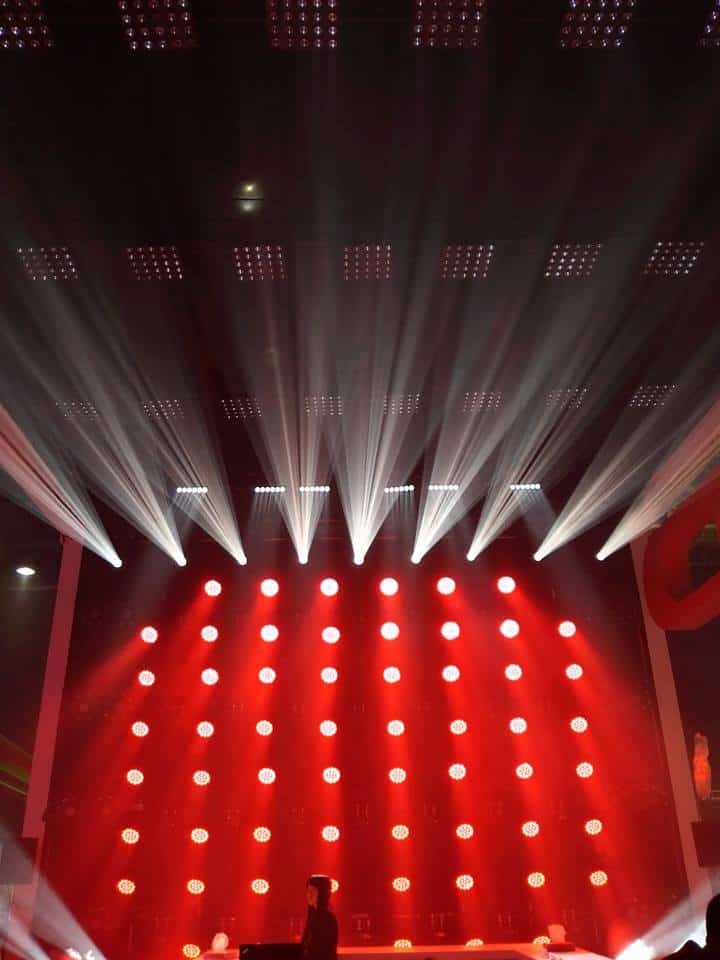
Müziğin ruh hali sıcak ve tutkulu müzik gibi renklere sahip olduğundan, aydınlatma kırmızı, sarı vb. sıcak renkler kullanırken, minör müzik mavi ve soğuk renkler kullanabilir. Bunu anlamak kolaydır, yani sanatın sinestezisi, aynı şeyin ifadesi, farklı sanat kategorileri sadece farklı ifadelerdir ve ifade edilen duygular aynıdır. Müziğin ruh halini anlayarak ve kavrayarak, önce ışığın genel tonunu, ne tür bir müzik ve hangi ton renk ışığını belirleyebiliriz.
Buna genellikle ışık ve müziğin birlikte üretimi diyoruz ama birlikte nasıl çalışıyor? Öncelikle müziğin ritminin dört mü, üç mü, seksen altı mı vb. olduğunu anlamanız ve yukarı vuruş ile aşağı vuruşu anlamanız gerekir. Müziğin ritmine uyması için farklı ışık renkleri ve ışığın yoğunluğunu kullanabilirsiniz. Müzik hızlıysa, ışığın her vuruşa uyması gerekmez, zayıf vuruşları görmezden gelebilir ve yalnızca güçlü vuruşları yansıtabilirsiniz. Müziğin geri kalanı karanlık alana yansıtılabilir. Notanın uzunluğu, yoğunluğu, perdesi ve tonundaki değişiklikleri yansıtmak için ışığın zaman değerini, yoğunluğunu, rengini ve kategorisini kullanabiliriz.
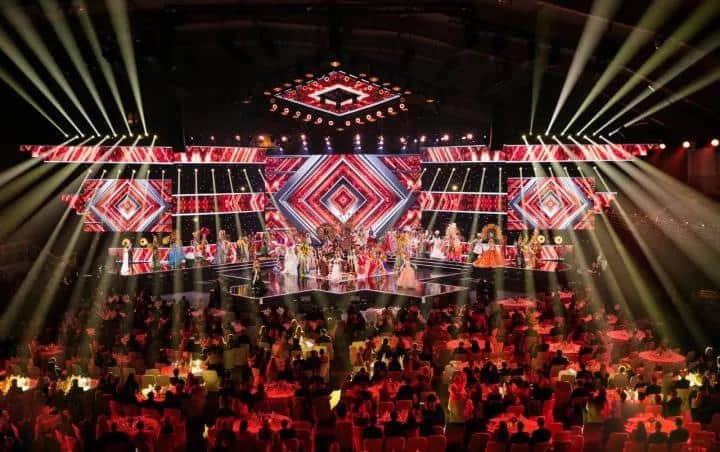
Işığın yapısını fiziksel yapı ve fiziksel olmayan yapı olarak ikiye ayırıyoruz. Aydınlatma tasarımcıları genellikle bobin lambaları, geri dönüş lambaları, bilgisayarlı lambalar ve renk değiştiren lambaları, farklı kombinasyonlarda birkaç seviyeye ayırarak üç boyutlu aydınlatma etkisi oluştururlar. Bu, ışığın fiziksel yapısıdır (mekansal yapı); peki ışığın fiziksel olmayan yapısı nedir? Bir müzik parçası, ön melodi, aralık, ana melodi, alt melodi vb. bölümlerden oluşur. Aydınlatma da farklı parçalara ayrılır, farklı lambalarla birleştirilir ve müziğin farklı bölümlerini yansıtmak için farklı şekillerde değişiklikler yapılır. Müzik ritmi ve melodisinin ihtiyaçlarına göre, önce aydınlatma için bazı eylem değişiklikleri “araçları” oluşturabiliriz ve ardından müziğin çeşitli parçalarını farklı yollarla ifade etmek için birleştirebiliriz; bu aydınlatma eylem değişikliklerinin farklı kombinasyonları, aydınlatmanın fiziksel olmayan yapısını oluşturur. Dolayısıyla, müziğin yapısının ışığın yapısını belirlediğini söyleriz, bu da ışığın fiziksel olmayan yapısıdır.
Müzikteki parlaklık, belirli bir enstrümanın SOLO'su bir müzik parçasının en önemli noktasıdır, efekt aydınlatması vurgulanmalı ve yansıtılmalıdır, bu nedenle aydınlatma efekti tasarımında, müzikteki özel önemli ayrıntılara göre bazı özel aydınlatma eylem değişiklikleri düzenlenmelidir. yansıtmak.
Sonuç olarak, efekt aydınlatmasının tasarımı, müziğin atmosferini oluşturmak amacıyla müziğe dayanmalıdır. Bu nedenle, aydınlatma tasarımcıları tatmin edici aydınlatma efektleri tasarlamak için müziğin yapısı ve içeriği hakkında derin bir anlayışa sahip olmalıdır.