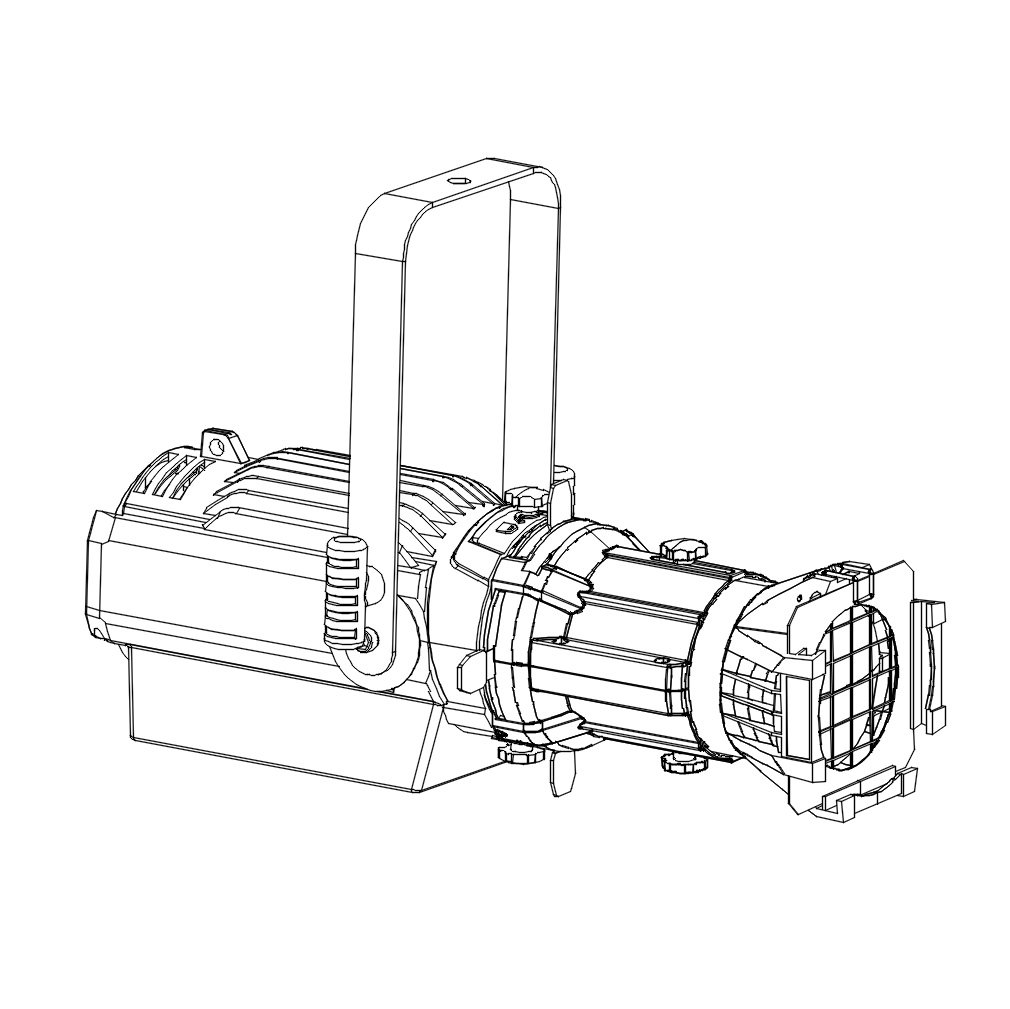
Profile & Framing Moving Head Lights
Profile / Framing
Place and shape light where your production needs it. Compare moving heads with framing shutters, motorized zoom and colour control for theatre cues, studio sets and event stages.
Compare moving heads with framing systems
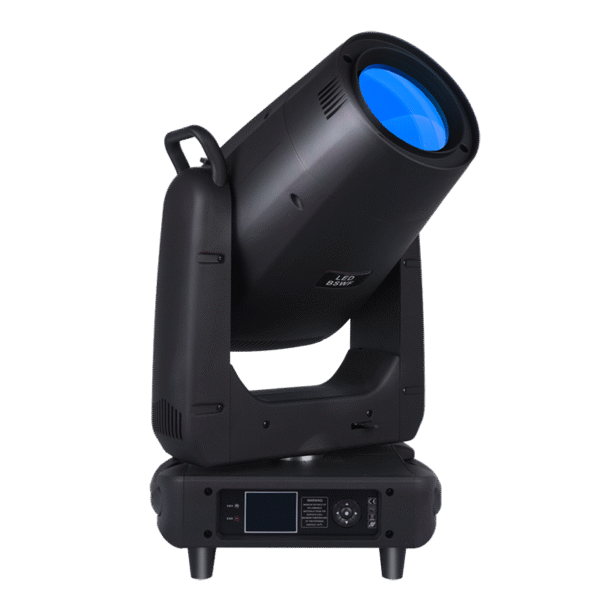
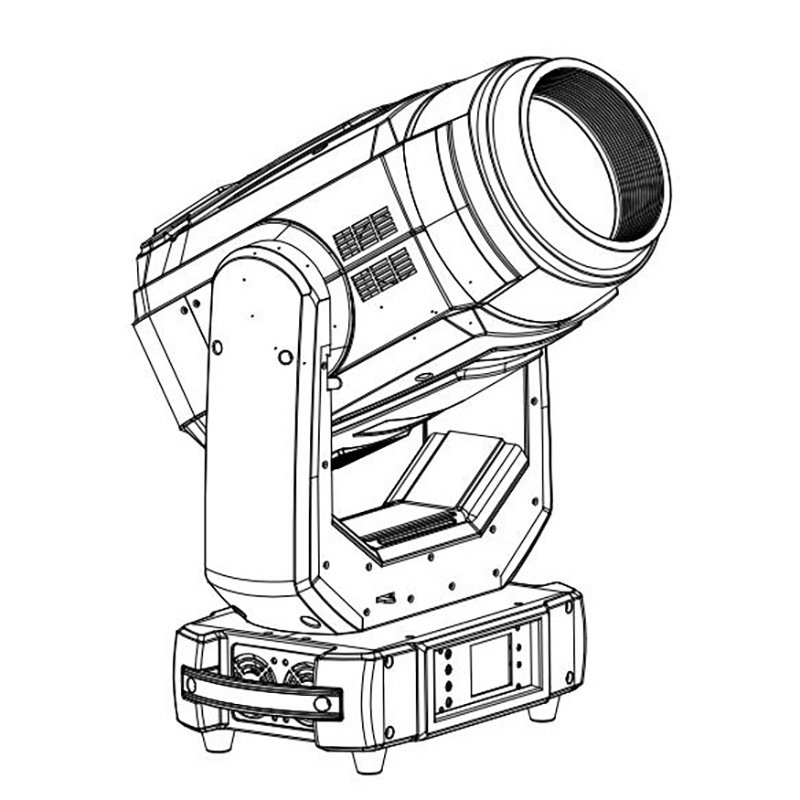
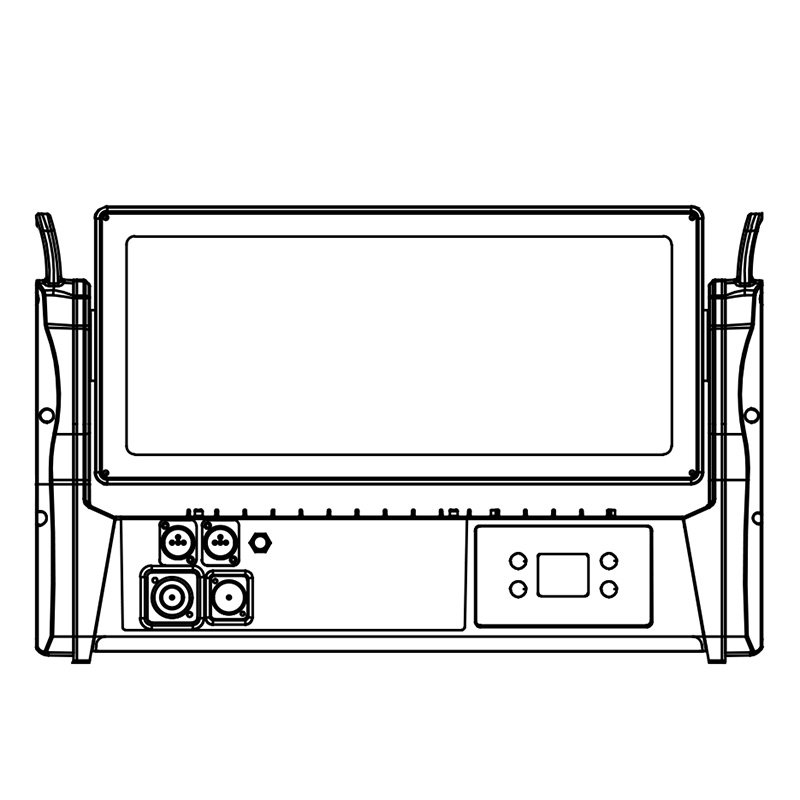
Framing moving headAL600MLS
600W LED Profile Moving Head
Shape the projected field with a rotating framing module, then adjust zoom, iris and frost for the scene.
- 4 framing blades; ±60° module rotation
- 7°–42° zoom
- CMY colour mixing
- DMX512 and RDM
View specifications 
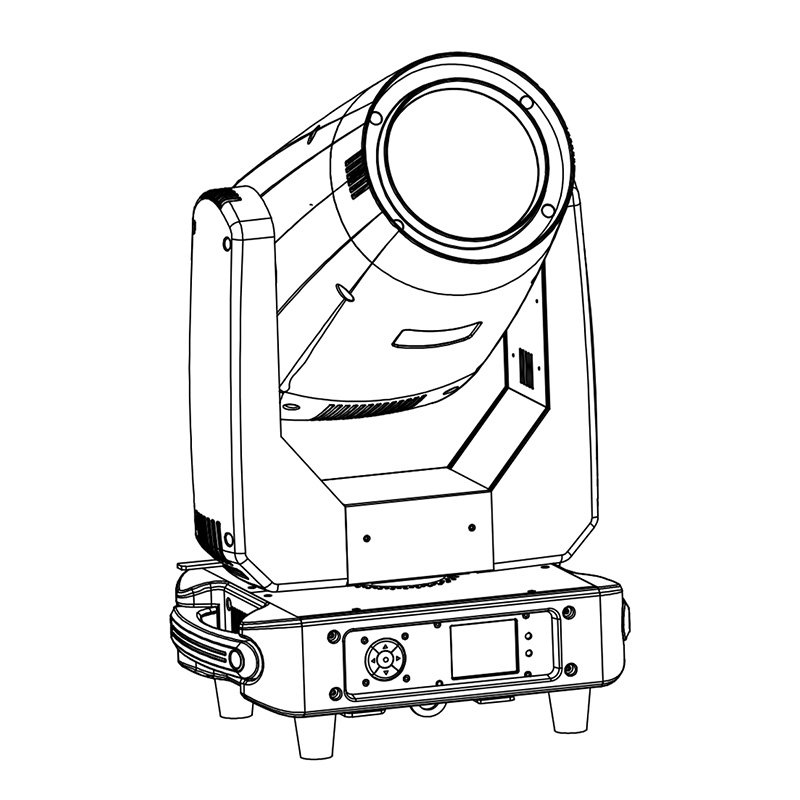
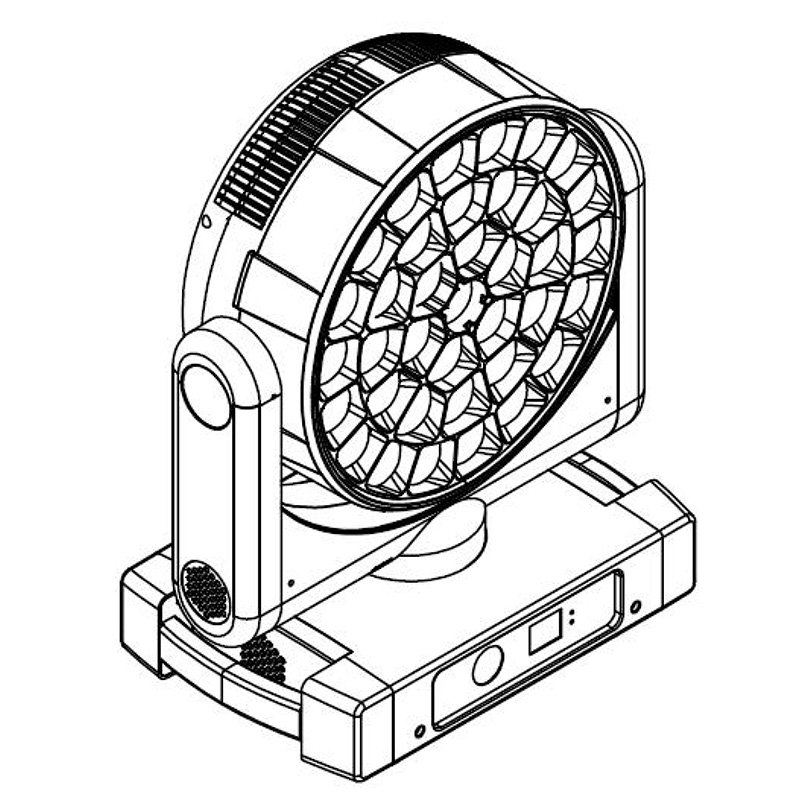
BSW + framingAL500LSF
500W Beam Spot Wash Profile Moving Head
Combine beam, spot and wash functions with framing shutters for controlled shapes and colour changes.
- Framing shutters
- 6°–48° motorized zoom
- CMY colour mixing and frost
- 26-channel DMX512 mode
View specifications Match the fixture to your application
Theatre and performance spaces
Use framing for acting areas, doorways and scenic details. Send the throw distance and target dimensions so optics and framing can be compared together.
Studios and presentation stages
Plan the field around presenters, sets and screens. Include camera settings and noise requirements when requesting a sample or model review.
Touring and event productions
Compare repeatable framing cues, zoom range and colour functions for changing stage layouts. Review the exact DMX modes before building your show file.
Selection questions
How is a profile moving head different from a spot?
A profile moving head includes a framing system for shaping the projected field. A conventional spot may offer gobos and focus without framing shutters; check the features of the specific model.
Do I need a moving head or a static profile spotlight?
Use a moving head when cues need remote repositioning and beam shaping. A static profile can suit fixed key-light positions. Compare both against the venue layout and required cue changes.
Is a Fresnel the same as a profile?
No. Fresnels are generally used for soft-edged coverage, while profile optics and framing are used for controlled shapes and edges. Keep these fixture types separate when selecting for the task.
Request a profile lighting model review
Share your throw distance, target size, framing cues, fixture quantity and control system. For studio or theatre use, include your camera and noise requirements.
Request a Quote

 English
  Español
  Français
  Português
  Deutsch
  日本語
日本語  한국어
한국어  Türkçe