
 English
 Español
 Français
 Português
 Deutsch
 日本語
 한국어
 Türkçe
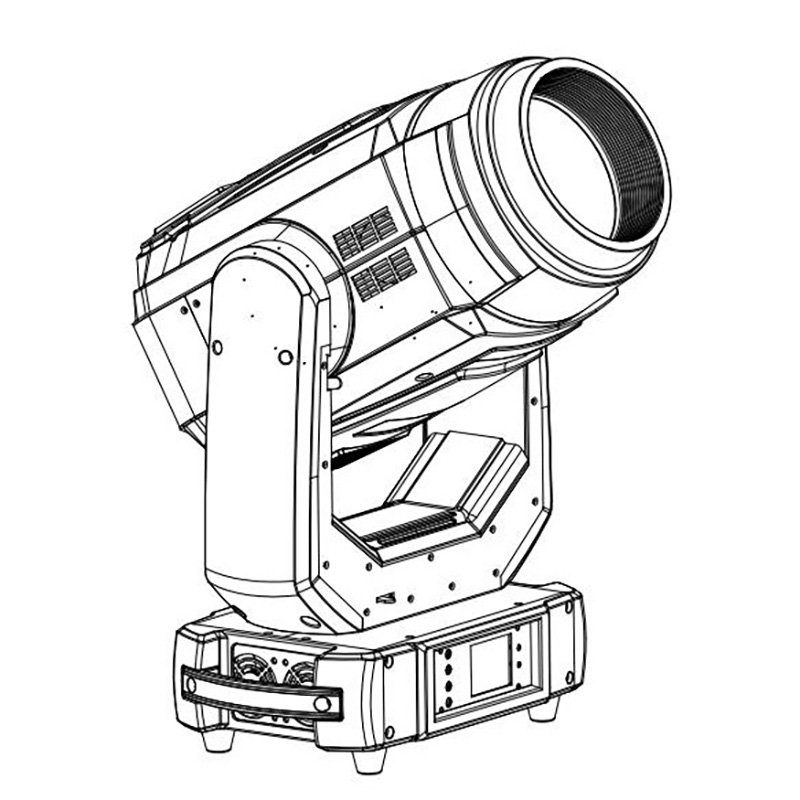
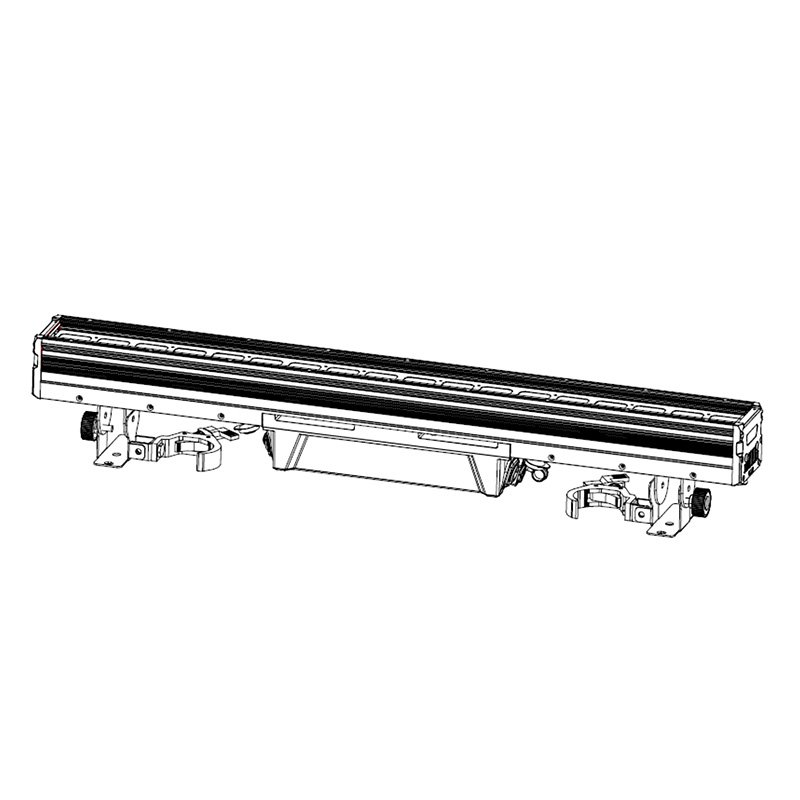
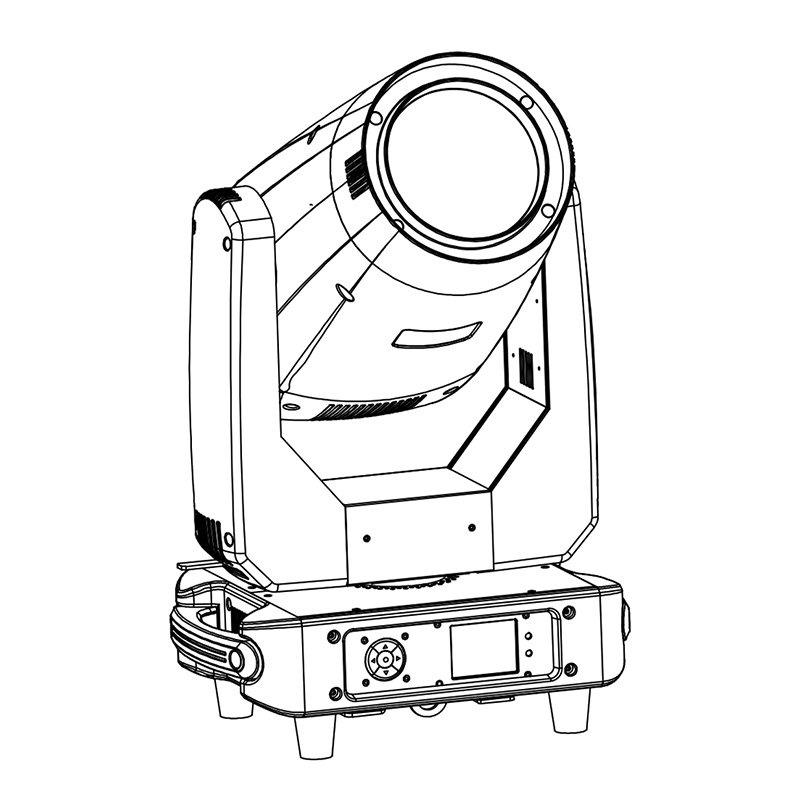
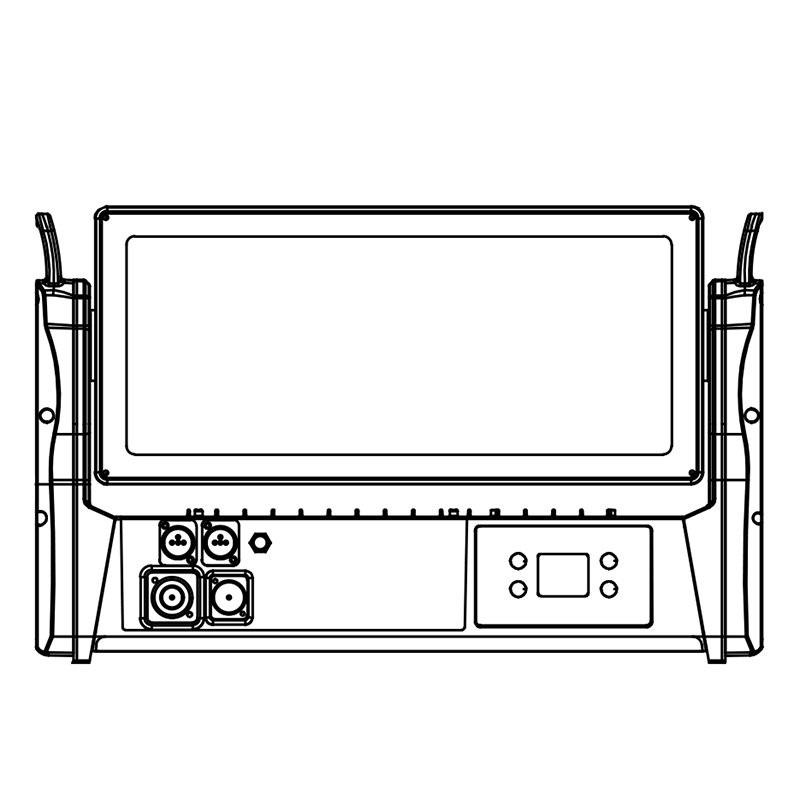
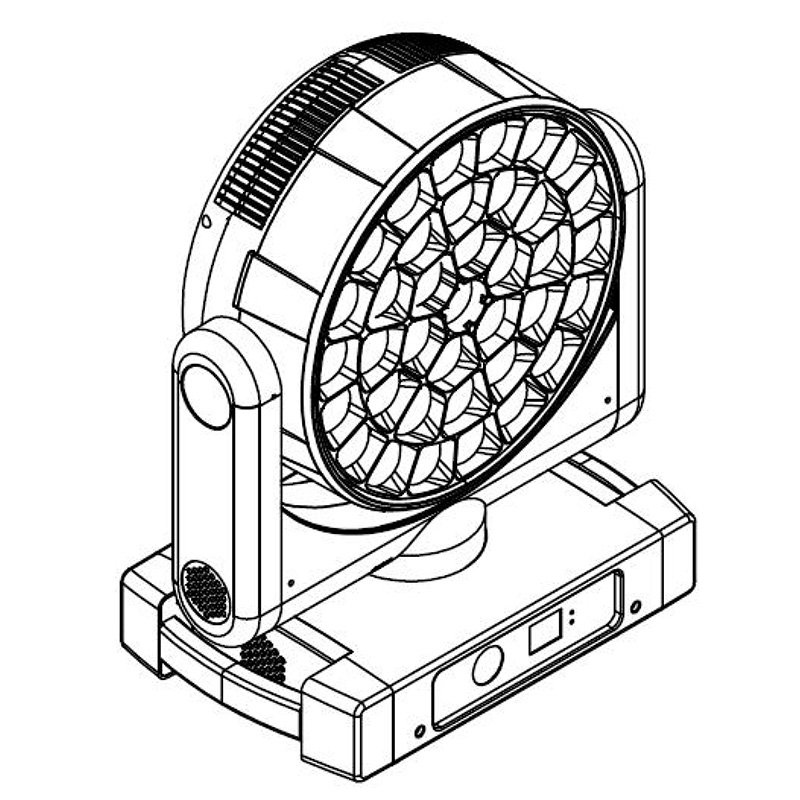
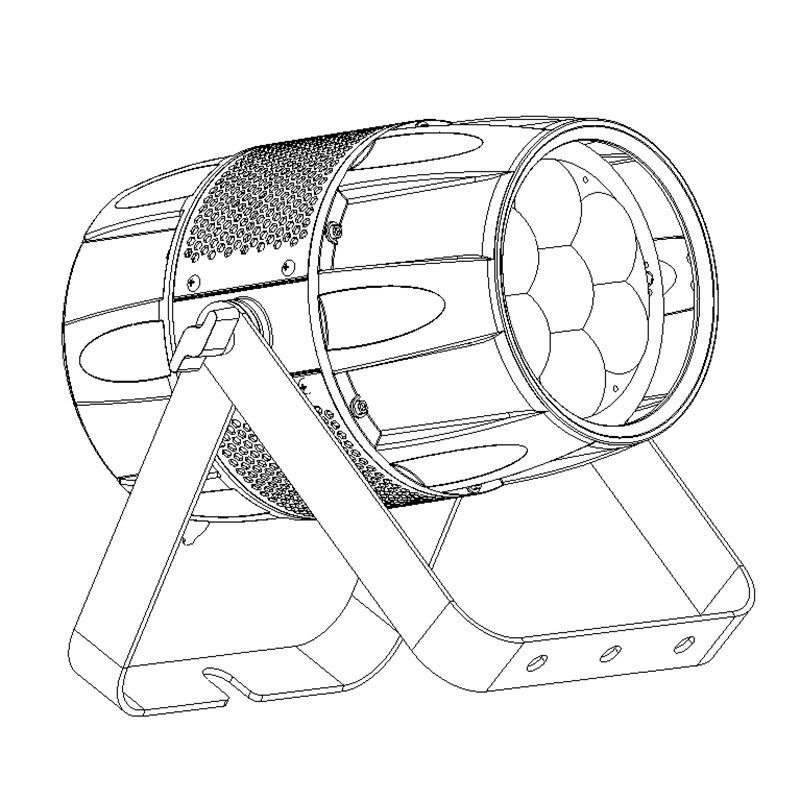
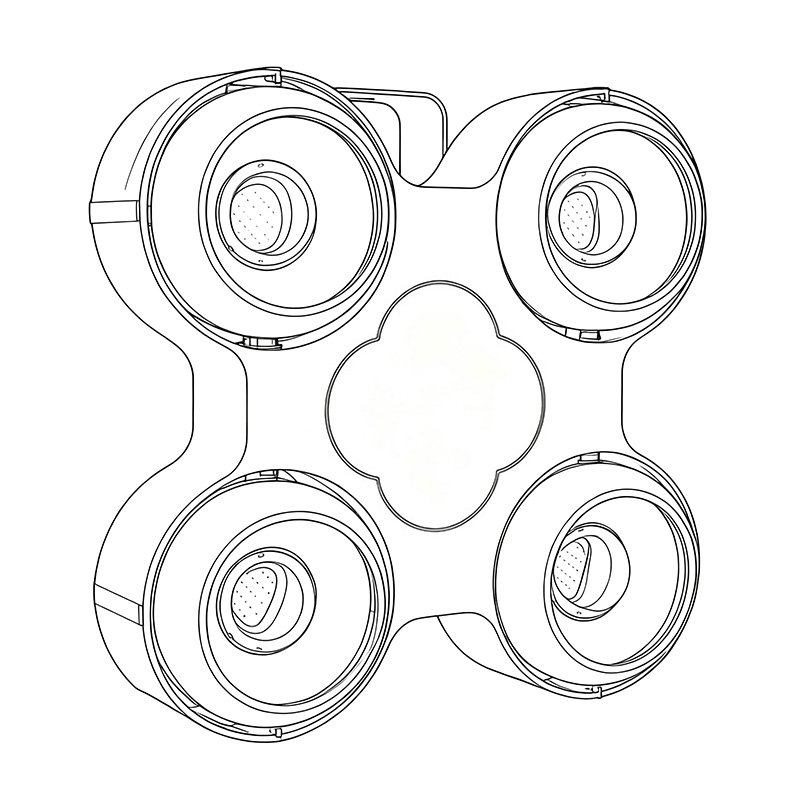
What Are Moving Lights?
Moving lights combine pan, tilt, optics and control for changing stage looks. Compare Beam, Spot, Wash and Hybrid fixtures by coverage, movement and project use before requesting a quote.
Explore Moving Head Categories or request a project quote.
For deeper reading, use the DMX512 guide, wash moving-head guide and profile moving-head guide.
Types of Moving Lights: Beam, Spot, Wash, Hybrid and Profile
Beam Lights
Sharp, focused beams of light with high intensity. Ideal for concerts and clubs, especially when combined with haze for visible mid-air effects.
Spot Lights
Provide a broader beam than beams, often equipped with gobos (metal or glass templates) to project patterns or textures. Great for performer highlighting and scene design.
Wash Lights
Produce a wide, soft, and uniform beam of light. Perfect for color washes and atmosphere creation across the stage or venue.
Hybrid Lights
Combine Beam, Spot, and Wash functions in one fixture. Popular for mobile productions due to their versatility.
Explore beam, spot and wash hybrid moving heads to compare optical ranges, colour systems and effects for your venue.
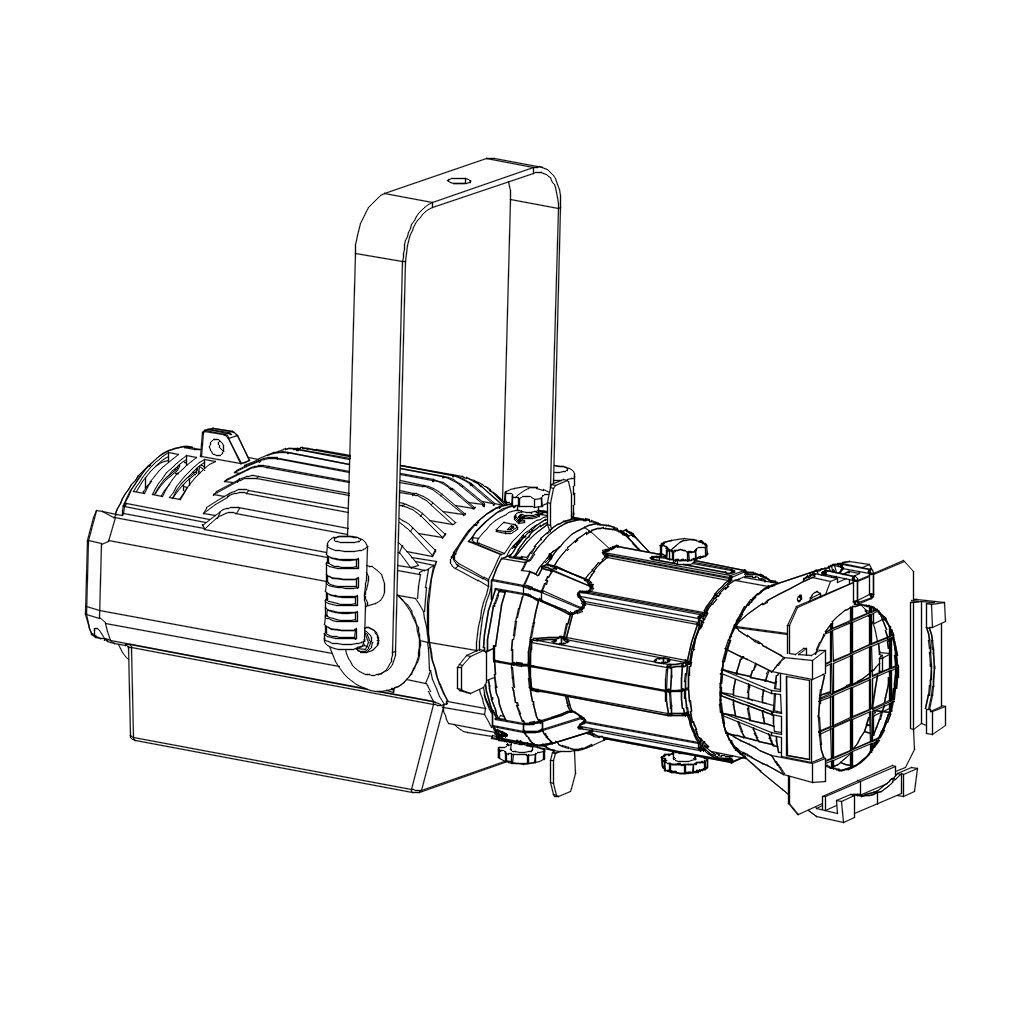
Profile Lights
A profile moving head adds framing shutters to shape the lit area and limit spill onto scenery, screens or nearby surfaces. This is useful in theatre and presentations when a defined lighting area matters. Gobos create patterns; framing shutters control the beam boundary. Check the specific framing, focus and zoom functions.
How Do Moving Lights Work?
Moving lights rely on internal motors and advanced optics to change position and light output. Here’s a breakdown:
- Pan & Tilt Motors: Move the light head smoothly on X and Y axes.
- Color Wheels / CMY Mixers: Adjust colors using filters or mix cyan, magenta, and yellow to create a full spectrum.
- Gobo Wheels: Spin or swap to project patterns.
- Zoom & Focus: Mechanically control beam width and clarity.
These functions are controlled via DMX512, with the available functions determined by the fixture and channel mode. For the base, yoke, head and optical path, read the moving head light basics.
Understanding DMX512: The Brain Behind the Lights
DMX512 (Digital Multiplex) is a communication protocol that sends digital control signals from a lighting console to lighting fixtures. Each fixture receives instructions on how to behave—from movement to color to effects.
 How dmx 512 controls multiple moving lights
How Does It Work?
- A DMX console sends 512 control channels through one signal line (called a universe).
- Each moving light occupies a certain number of channels (e.g., 16, 32, or more).
- Every fixture has a DMX address that tells it which channel data to listen to.
Controlling One Moving Light
- Connect power and DMX input to the fixture.
- Set the DMX address (e.g., channel 001).
- Use the console to control pan, tilt, color, dimming, and effects.
Controlling Many Moving Lights
- Daisy-chain lights using DMX cables:
DMX OUT from console → DMX IN of fixture 1 → DMX OUT of fixture 1 → DMX IN of fixture 2… - Assign each light a unique DMX start address (e.g., 001, 033, 065, depending on channels used).
- Use the console or software to program scenes, chases, or live effects.
 How to control moving head lights
Pro Tip: Always terminate the last DMX fixture with a 120-ohm resistor to prevent signal reflection.
Diagram: How DMX512 Controls Multiple Moving Lights
Figure: A simple DMX512 setup with console, daisy-chained lights, and terminator.
Why Moving Lights Matter in Modern Stage Design
- Flexibility: A single fixture can serve multiple roles.
- Creativity: Colors, gobos, and movement add expressive depth.
- Efficiency: Replace multiple static lights with fewer moving ones.
- Visual Impact: Bring energy, focus, and mood to any performance.
From church stages to stadium concerts, moving lights have become essential tools in visual storytelling.
Pro Features Made Simple
- Gobo Patterns: Project logos, textures, or scenic elements.
- Color Mixing: Achieve smooth transitions with RGBW or CMY.
- Zoom & Focus: Adjust for different stage sizes and projection needs.
- Prism / Frost: Create stunning light refractions or smooth washes.
- Speed Control: Time your effects to music or performance beats.
The Rise of IP65-Rated Lights: Built for the Outdoors
IP65 moving lights have an enclosure rating for dust and water-jet protection under defined test conditions. Suitability for an outdoor show also depends on connectors, mounting, temperature, maintenance and the exact model instructions. The rating is not an unrestricted all-weather or permanent-installation guarantee.
Outdoor selection checks:
- Model-specific ingress-protection documentation
- Suitable cables, connectors and operating conditions
- Seal inspection and an agreed maintenance routine
How to Choose the Right Moving Light
| Use Case | Recommended Fixture |
|---|---|
| DJs / Small Events | Wash for area colour; Beam or Hybrid when aerial or mixed effects are required |
| Theatre / Drama | Wash for area colour, Spot for gobos, or Profile for framing and spill control; also check noise and dimming |
| Church / Weddings | Wash with color mixing |
| Outdoor Shows | IP65-rated fixtures |
| Touring Shows | Hybrid with zoom/focus |
Tip: Consider build quality, lens clarity, DMX compatibility, and supplier support.
Final Thoughts: From Basics to Brilliance
Whether you’re lighting a school play or designing visuals for a national tour, moving lights provide powerful tools to enhance your production. With DMX control, versatile effects, and ever-improving technology, they bring creativity and control to your fingertips.
Learning how they work and how to control them is the first step toward building unforgettable visual experiences.