
 English
  Español
  Français
  Português
  Deutsch
  日本語
日本語  한국어
한국어  Türkçe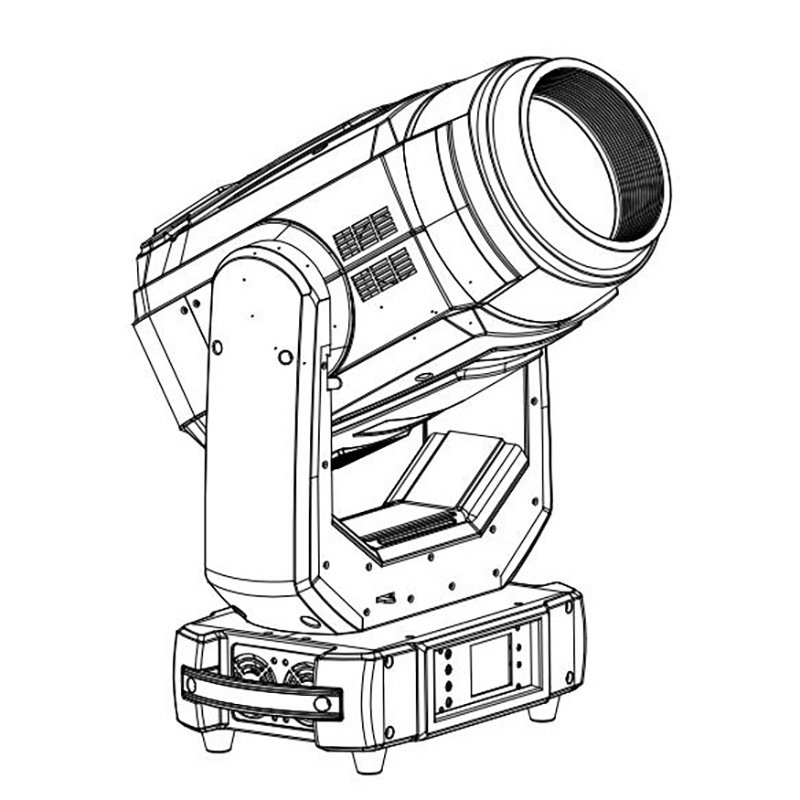
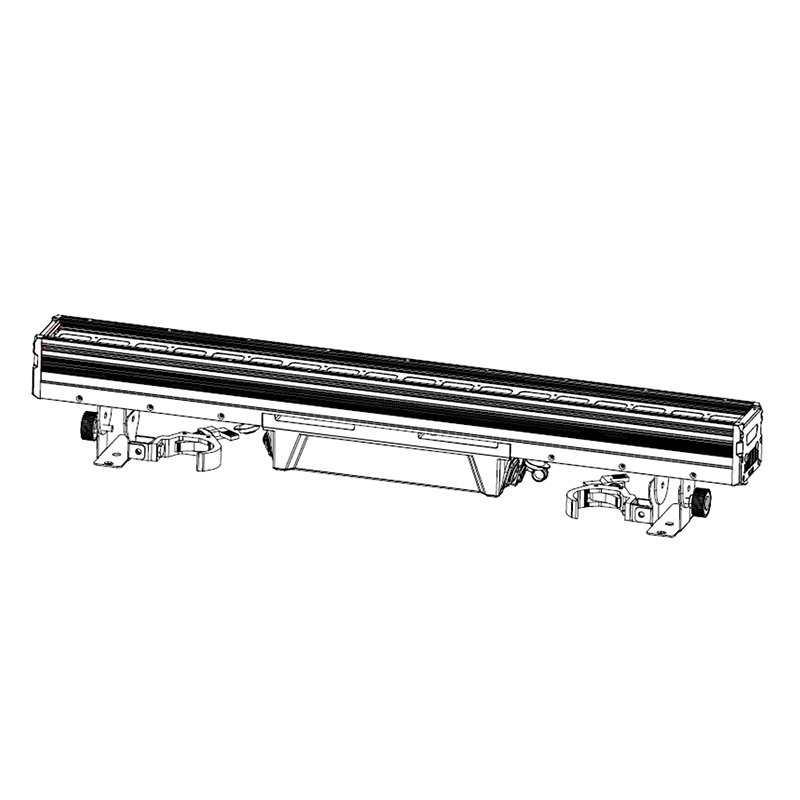
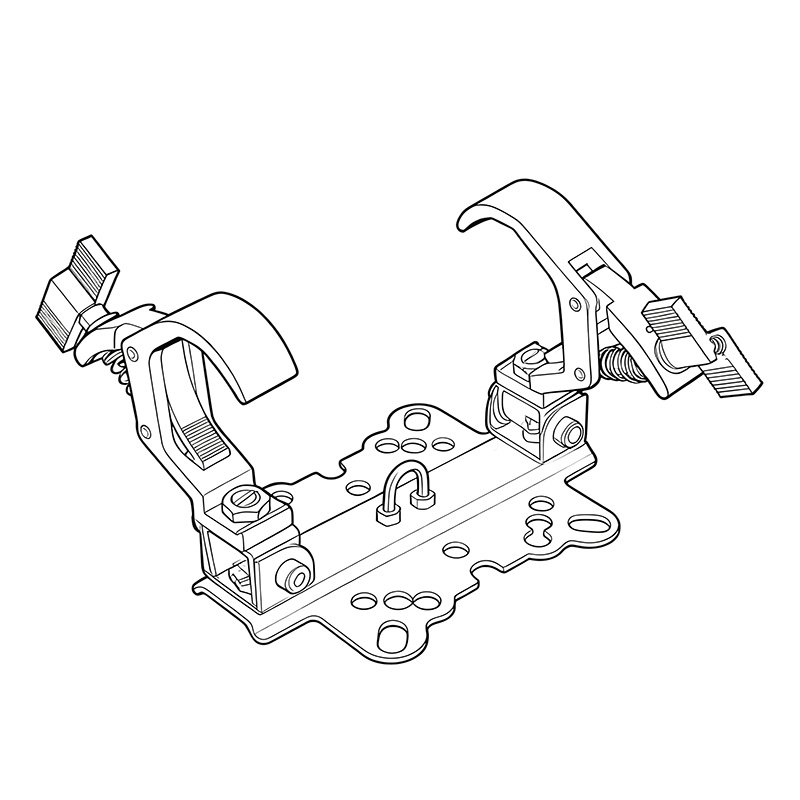
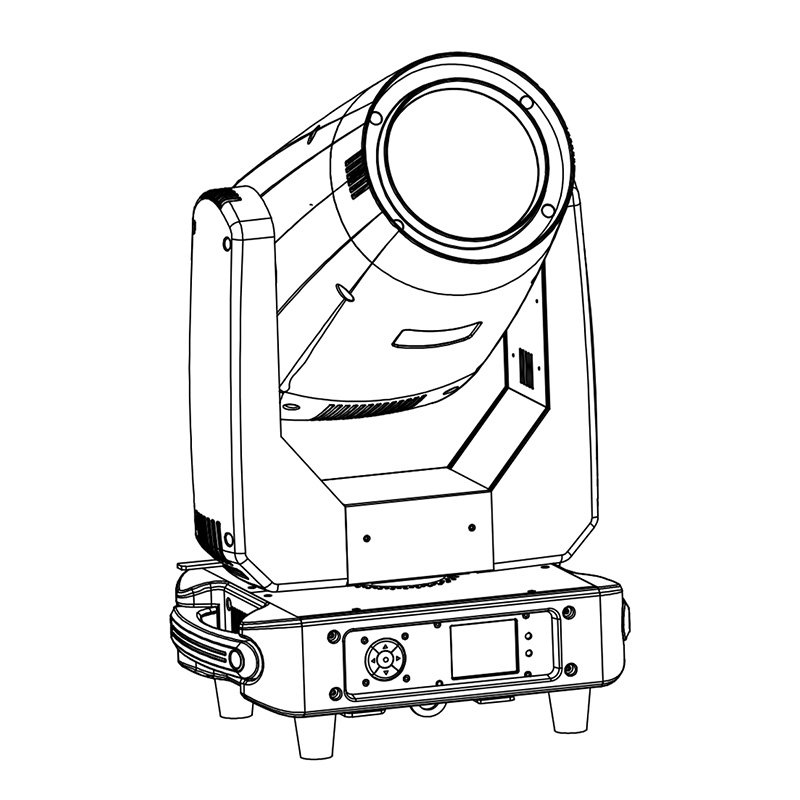
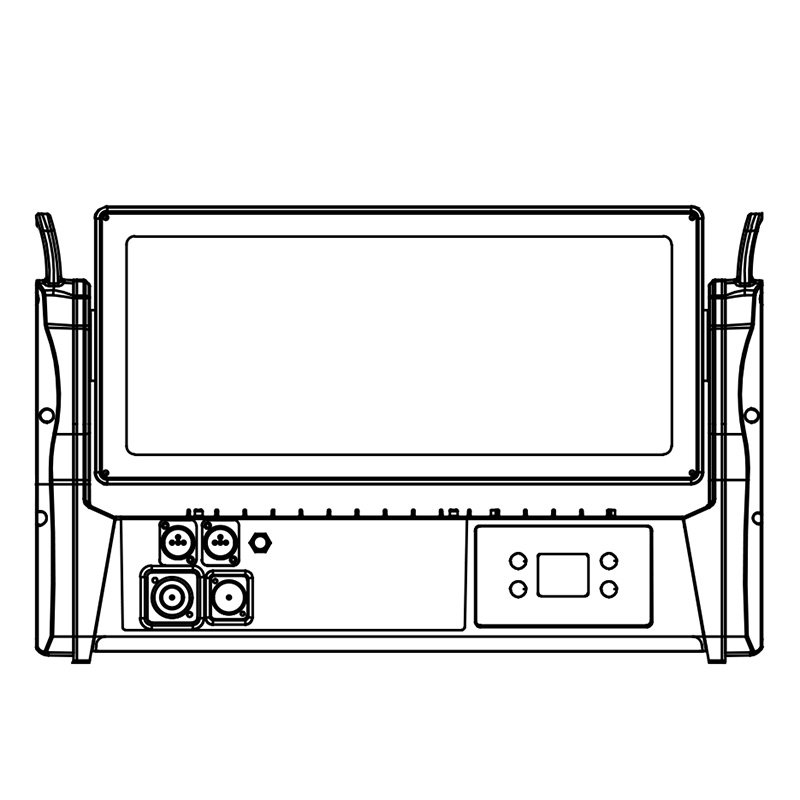
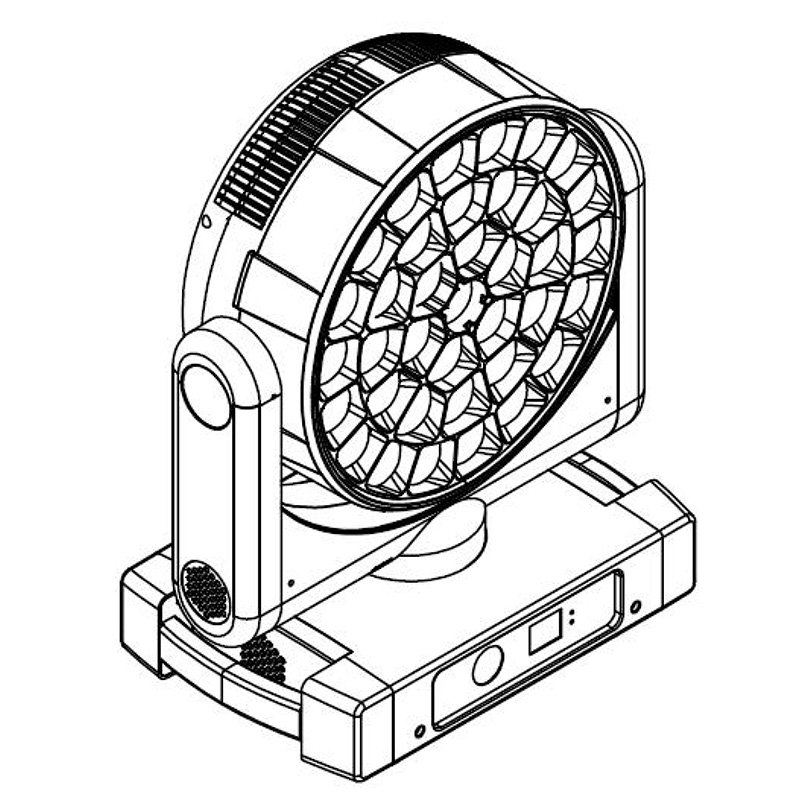
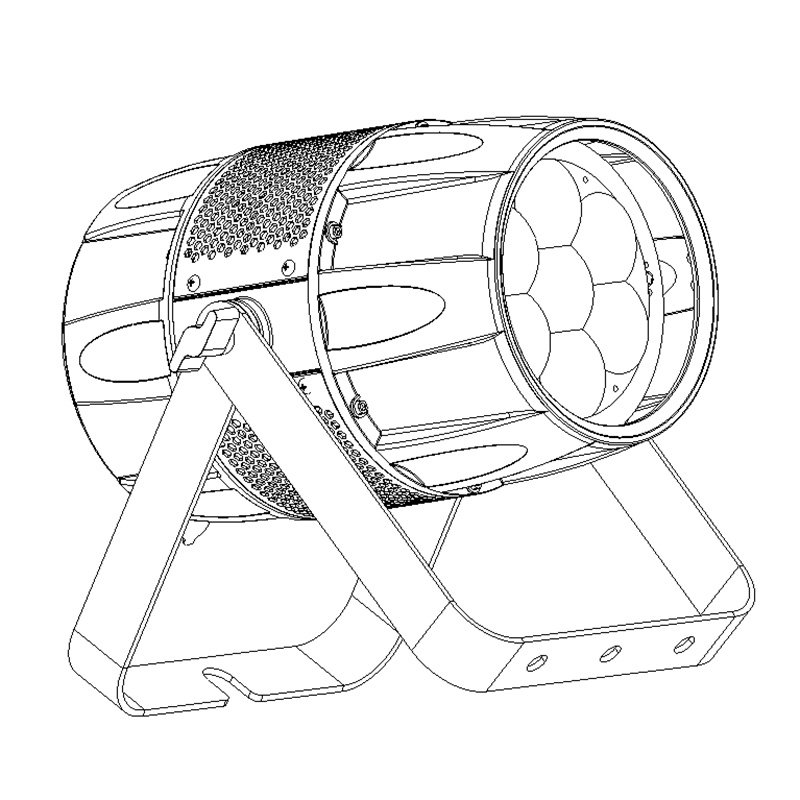
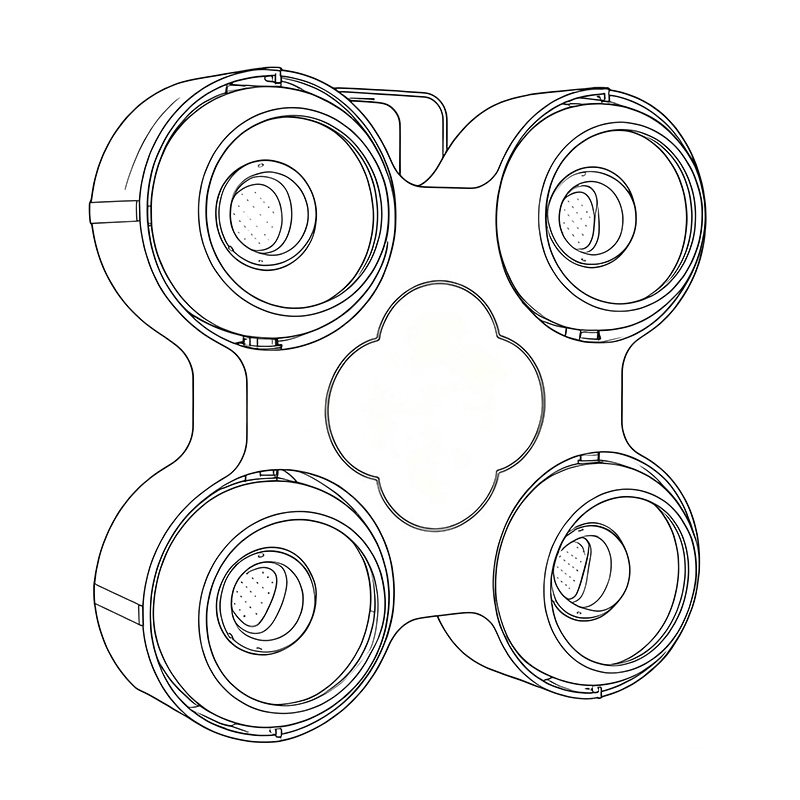
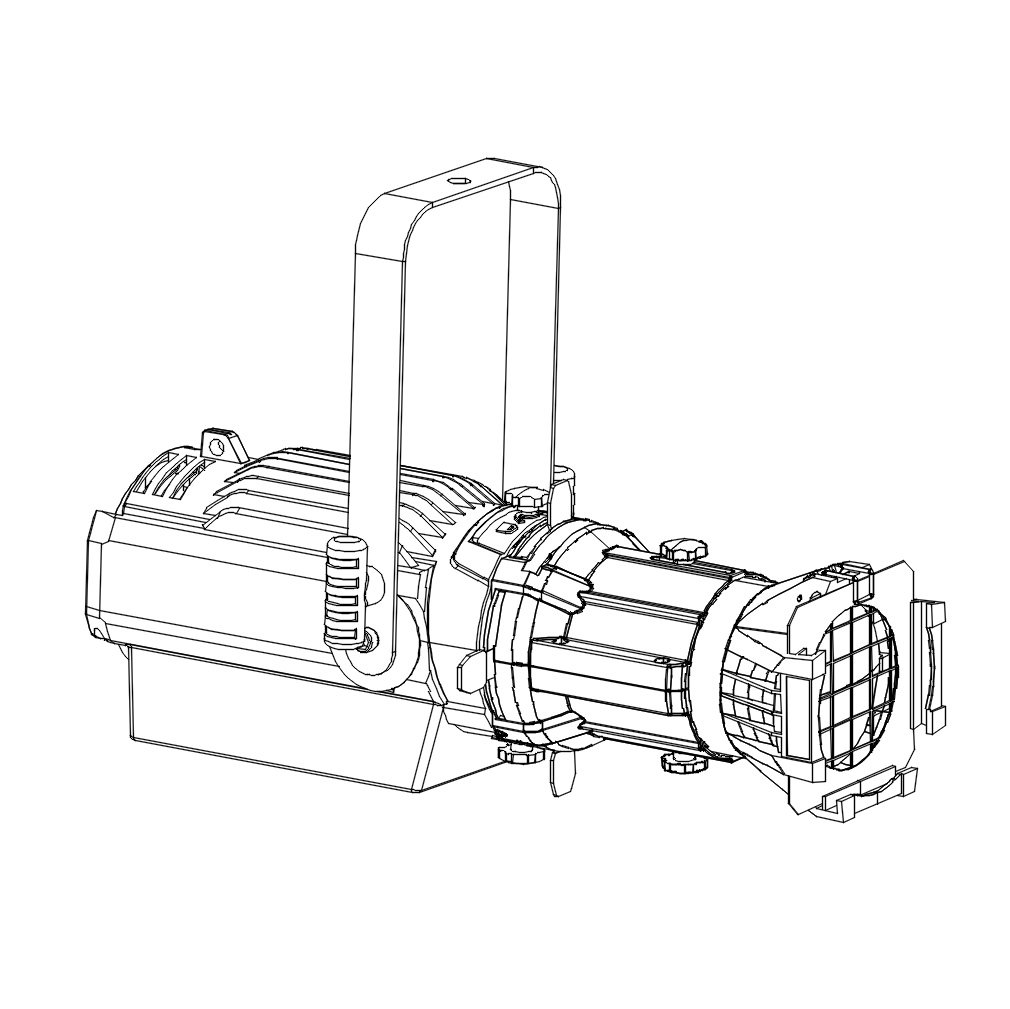
Moving head spot lights combine motorized movement with a defined beam, focus and model-specific effects. This guide compares fixture functions and application fit so DJs, event teams and rental buyers can identify the fields that need verification before ordering.
The comparison uses published product information only. It does not claim independent laboratory testing, long-term field testing, customer ratings or editorial ranking.
🎯 What Is a Moving Head Spot Light?
A moving head spot light is a versatile stage light that pans, tilts, and projects a focused beam with gobos (patterns), sharp edges, and color mixing. Unlike beams or wash lights, spot fixtures are ideal for:
- Highlighting performers or speakers
- Projecting logos or textured patterns
- Creating precise, moving effects on stage
Most spotlights support DMX or RDM control, with features like motorized zoom, focus, prisms, and strobing. They’re widely used in:
- Concerts & touring productions
- DJ shows & nightclubs
- Weddings & corporate events
- Theaters & churches
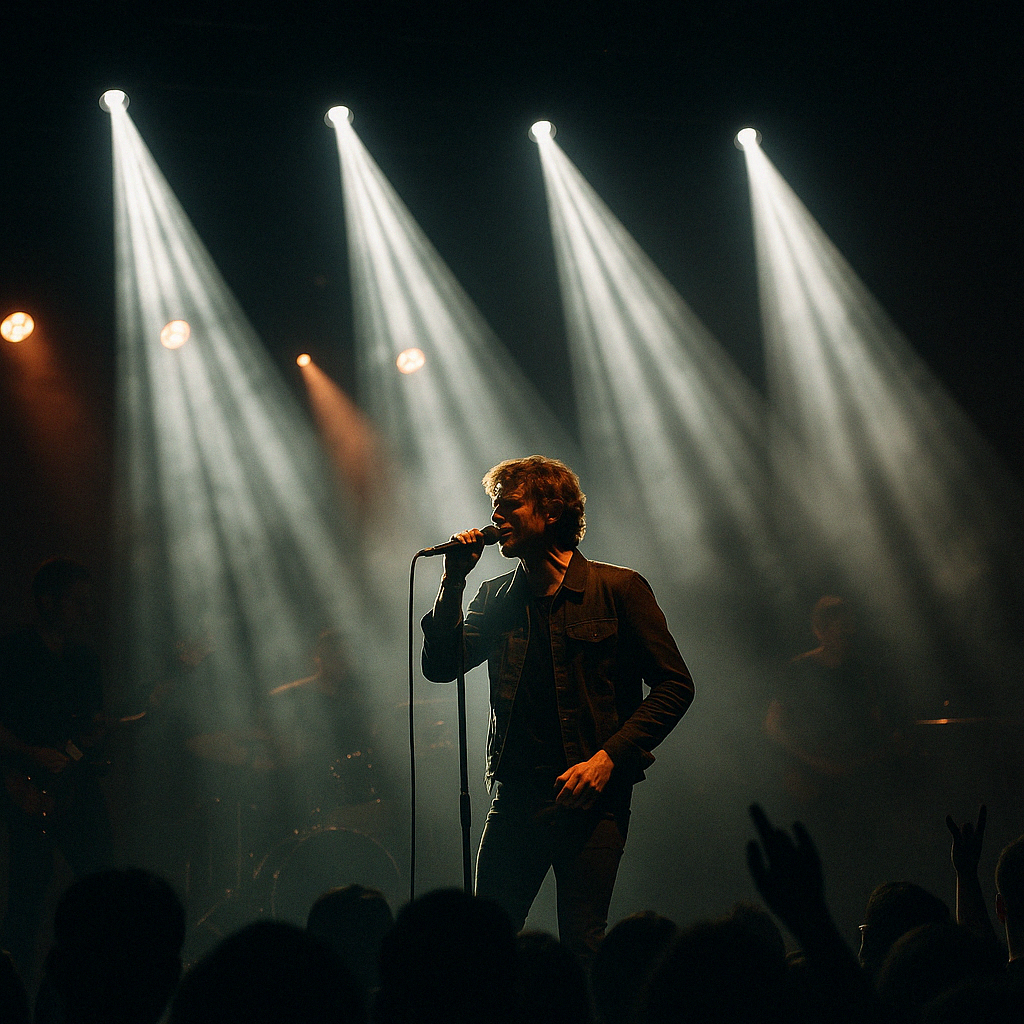 Live concert scene with spot lights hitting the lead singer
Compare Moving Head Spot Lights by Function
Comparison method: Review the current product page, manual and order specification for each exact model. Compare published optics, gobos, zoom or focus, color system, control modes, environmental protection, dimensions, weight and service access. The guide does not assign scores or claim that one fixture should rank first for every use.
| Buyer check | What to verify | Why it matters |
|---|---|---|
| Beam and optics | Published beam angle, zoom range, focus and photometric test conditions | Confirms whether the fixture fits the throw and target size |
| Gobos and effects | Current gobo wheels, prism, iris, frost and replacement options | Matches the visual effects required by the show |
| Color and dimming | Published color system, white-light behavior and dimming modes | Supports the required palette and camera workflow |
| Control | DMX modes, channel chart, fixture profile and model-specific manual | Reduces patching and programming errors |
| Application and service | Environment, mounting plan, weight, access and spare-parts process | Connects the specification to installation and ownership needs |
Use the LED Spot Moving Head category as the current product path. Published examples include the 250W LED Beam Spot Moving Head Light and 400W LED BSW CMY. Treat these as comparison starting points, and confirm the current page, manual and quotation for the exact model. For a project-specific shortlist, contact AOLAIT.
🆚 Spot vs. Beam vs. Wash – What’s the Difference?
| Type | Beam Angle | Typical Use | Key Feature |
|---|---|---|---|
| Spot | 10°–50° | Performer highlighting, gobos | Sharp beam + patterns |
| Beam | 2°–5° | Air effects, punchy impact | Narrow, concentrated beam |
| Wash | 5°–60° | Color fill, ambient light | Soft edge, wide coverage |
✅ Tip: For a dynamic show, combine all three types in your rig!
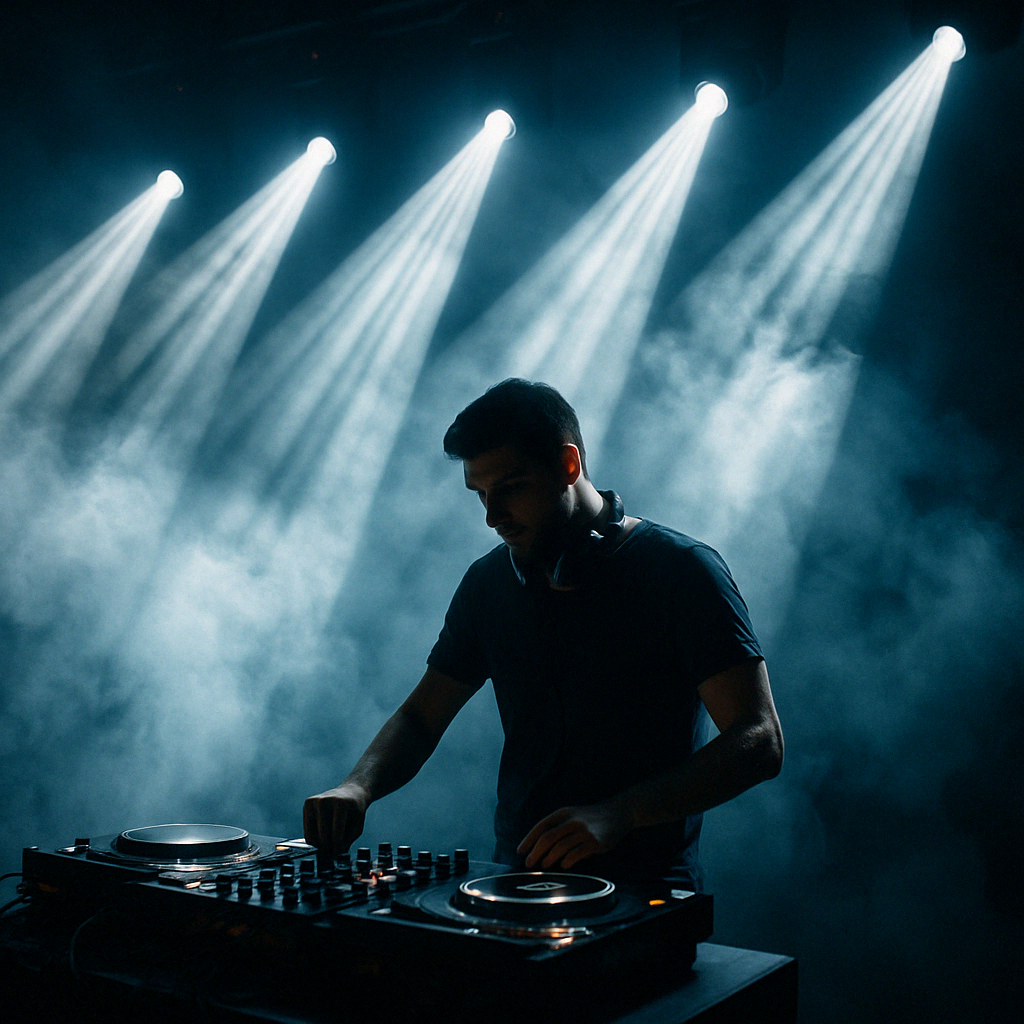 DJ booth with moving head lights projecting gobos
🔍 What to Look for When Buying a Moving Head Spot
- Brightness (Wattage) – Match fixture power to venue size.
- Optics & Zoom – Adjustable zoom adds flexibility.
- Gobos & Effects – Look for replaceable gobos, prisms, and CMY for versatility.
- Control Options – Choose lights with DMX/RDM and auto/sound modes for backup.
- Build & Cooling – Quiet operation and solid housing matter in live environments.
- Environmental protection – Verify the exact model’s published IP classification for the intended environment.
🤔 FAQ: Moving Head Spot Light Basics
Q: Do I need DMX to control them?
A: Most models support auto, sound, and master/slave, but DMX unlocks full control.
Q: Can spot lights replace beam or wash?
A: Not fully. Each type serves a specific role. Use spot for patterns and follow effects.
Q: What’s the difference between LED and Lamp versions?
A: LED is energy-efficient and long-lasting. Lamps (like Sharpy) offer sharper center beams and better punch, but need replacements every ~1500–2000 hrs.
Final Buyer Check
Choose a moving head spot light by matching the published optics, effects, control mode and mechanical information to the venue and show file. Confirm the exact model page, current manual and written order specification rather than relying on a generic wattage label or a ranked list.